
Moneywise and Yahoo Finance LLC may earn commission or revenue through links in the content below.
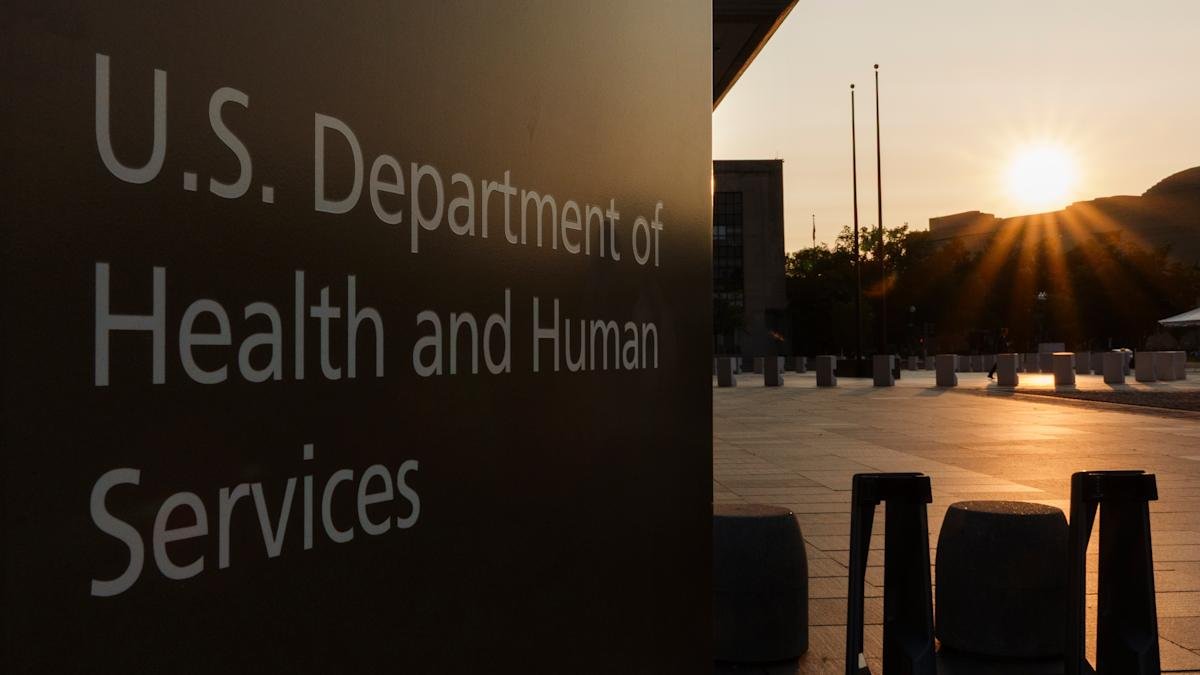
A group of 130 hospitals has filed suit against the Department of Health and Human Services (HHS), challenging a 2023 rule that changes how certain Medicare payments are calculated (1).
Hospitals argue the policy is not only flawed but also “arbitrary and capricious,” and say it could put billions of dollars in funding for low-income patient care at risk — specifically for patients on Medicare, Medicaid and those without insurance.
At the center of the dispute is how the government counts patients enrolled in Medicare Advantage plans when determining ‘disproportionate share hospital’ (DSH) payments, which are key sources of funds for hospitals that serve a large number of vulnerable patients (2).
Hospitals argue the rule reduces those payments and conflicts with both longstanding policy and prior court rulings. Changes to the DSH payment structure could drive up health care costs and lead to longer wait times due to staffing shortages.
When Moneywise reached out for a statement, the Department of Health and Human Services declined to comment on the lawsuit.
While the suit targets a 2023 rule, the fight dates back more than two decades.
In 2004, federal regulators attempted to change how Medicare Advantage (Part C) patient days were counted in DSH payment formulas (3), reducing hospital payments. Courts repeatedly rejected those efforts in a series of rulings, including the Allina cases (4) — where the government failed to identify “a lawful excuse for neglecting its statutory notice-and-comment obligations.”
Despite those decisions, hospitals say the government has made “repeated attempts” to implement the same policy change across successive administrations, both Republican and Democratic.
The latest rule goes further still, attempting to apply that interpretation retroactively, putting hospitals in an ‘overpaid’ status that they would have to repay. Hospitals argue this move is unlawful and financially damaging.
The United States District Court for the District of Columbia has already raised concerns. In a related case, Montefiore Medical Center v. Kennedy (5), the court found that the 2023 rule is plainly retroactive and exceeds the government’s authority.



