
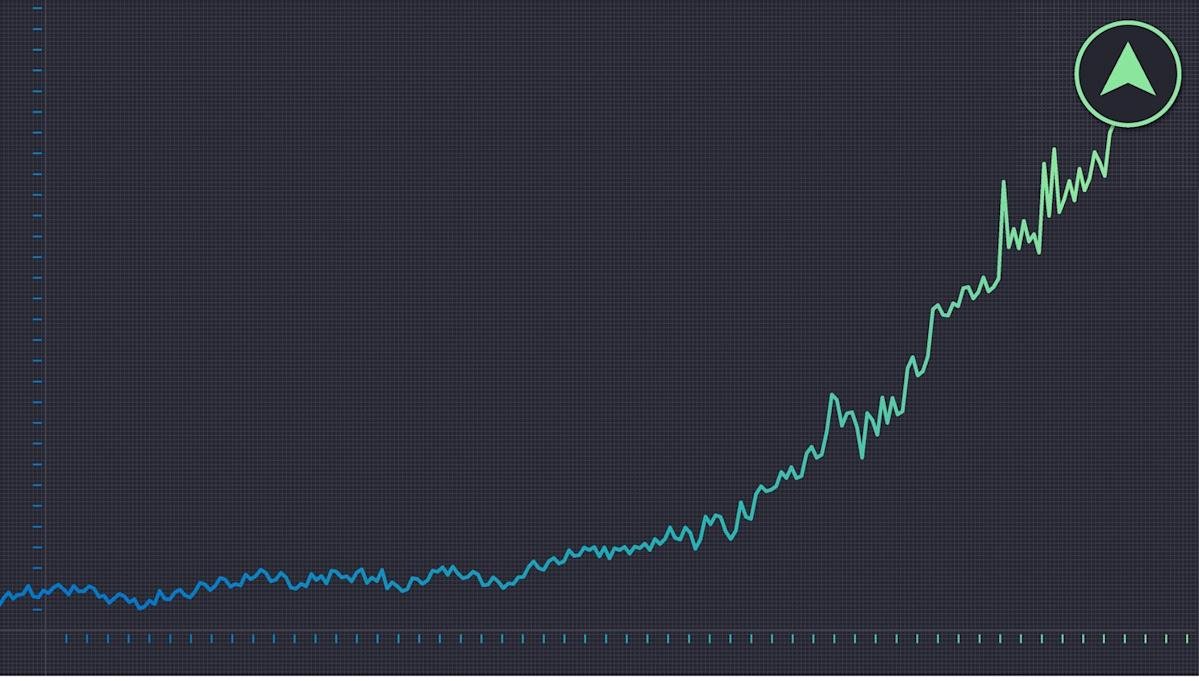
Over the last 20 years, this trucking company’s stock has vastly outpaced the broader market.
The current downcycle has lingered, and the company’s latest updates indicate that volumes remain under pressure.
Even after the stock’s pullback, shares still carry a premium valuation.
For investors looking to build their portfolios with investments in high-quality businesses, Old Dominion Freight Line (NASDAQ: ODFL) is the kind of company that tends to end up on the shortlist. It is a leading less-than-truckload (LTL) carrier in North America, and it has built a reputation around exceptional service and disciplined pricing.
But the last few years haven’t been representative of the company’s typical, consistently strong growth. Freight volumes have been in a slump that has lasted longer than most industry onlookers expected, leading many to call it a “freight recession.” And since a key part of Old Dominion’s business model is that it maintains excess capacity during slow periods so that it can quickly take market share when volumes finally pick back up, its business sees an outsize negative impact during times like this.
As investors wait for freight volumes to pick back up, is it a good time to buy shares of this long-term compounder?
Old Dominion’s long-term track record is difficult to ignore. Not only has its stock compounded at approximately a 20% annualized return over the last 20 years, but the company’s business model, which focuses on great service, a robust fleet, and owning the majority of its own service centers instead of leasing them, helps it rapidly gain market share during economic booms.
Even during this rough patch, the company is maintaining its high standards for service. In Q3, management said the company again delivered 99% on-time service and a cargo claims ratio of 0.1%.
Of course, great execution doesn’t eliminate macro pressure.
In Old Dominion’s third-quarter 2025 results, total revenue fell to about $1.41 billion, down 4.3% year over year. Net income declined, and diluted earnings per share fell 10.5% year over year to $1.28.
Explaining the company’s outsize decline in earnings relative to revenue, Old Dominion’s operating ratio (operating expenses as a percent of revenue) rose to 74.3% from 72.7% a year earlier. Management attributed that to “deleveraging” — when volumes fall, many of its costs do not fall in tandem, so margins compress.



