
Urban air mobility has long lived somewhere between science fiction and city planning decks. Today, electric vertical takeoff and landing aircraft (eVTOLs) are slowly dragging that vision into reality. The promise is compelling – quieter skies, shorter commutes, and a new layer of transportation above gridlocked roads. For now, the market remains narrow, mostly serving high-value routes like airport shuttles for affluent travelers or time-critical medical missions.
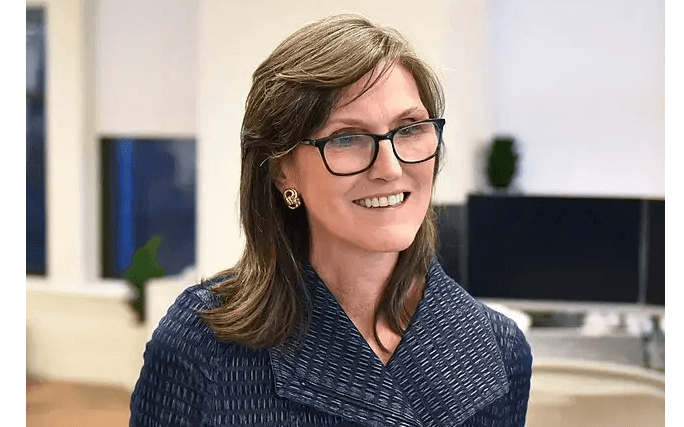
That future is already shaping investor behavior. Cathie Wood, known for backing disruptive technologies well before they turn mainstream, has been steadily adding exposure to advanced air mobility. In early 2026, Wood’s ARK Space Exploration & Innovation ETF (ARKX) increased its stakes in the sector’s two top names – Joby Aviation (JOBY) and Archer Aviation (ACHR) – doubling down on a long-term bet rather than short-term hype.
Joby Aviation is taking the long road, blending aircraft development with real-world operations, manufacturing scale, and partnerships that put its tech in front of everyday users. Archer Aviation is moving with a sharper focus, leaning on airline alliances, military deals, and a clear urban launch playbook. Both are chasing the same destination from different angles.
So, let us take a closer look at Cathie’s fresh buys now.
Founded in 2009, Santa Cruz, California-based Joby Aviation is building the foundation of next-generation urban air travel. The company designs quiet eVTOL aircraft capable of flying up to 100 miles while reducing noise and emissions. Joby’s vertically integrated model spans aircraft design, flight testing, manufacturing, pilot training, and certification.
In the U.S., the company plans to launch commercial services starting in New York City and Los Angeles, while Dubai is slated to be its first international market. Backed by strategic partners like Toyota (TM), Delta (DAL), and Uber (UBER), and powered by a team of more than 1,700 specialists, Joby is aiming to make aerial ridesharing a part of everyday life. The company currently carries a market capitalization of about $14.1 billion.




