
Moneywise and Yahoo Finance LLC may earn commission or revenue through links in the content below.
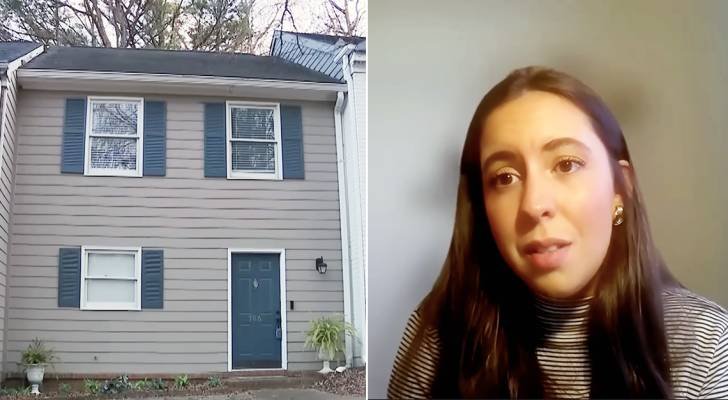
Adriana Ward assumed the most nerve-wracking part of selling her Marietta, GA, home would be waiting for the right offer. Instead, she discovered someone else had already claimed it as their own.
When her realtor arrived at the house on Twin Brooks Court in December for a scheduled showing, the warning signs were immediate (1). The lockbox was missing. The For Sale sign was gone. And when Ward arrived, she noticed the windows she typically leaves open were shut, and the deadbolt had been changed.
When police officers on the scene knocked on the door, the man who answered said he lived there. Court records show Timothy Pyron told officers he had settled in the vacant home and was “nesting.” Investigators say he claimed Georgia’s squatter laws protected him from removal, describing the situation as a “peaceful hostile takeover.”
Cases like Ward’s are drawing increased attention as homes sit empty for extended periods of time. An estimated 5.6 million properties across the 50 largest U.S. metro areas are currently vacant, widening the window for unauthorized occupants to test the limits of homeowner protections (2).
As these disputes become more visible, are legal protections for homeowners finally starting to catch up?
Ward’s experience was jarring, but Georgia has already taken steps to give homeowners more legal backing, with House Bill 1017 making unauthorized occupancy a criminal offense since 2024 (3). Law enforcement can now also issue a notice requiring occupants to leave, with removal permitted within three days if they fail to comply.
“This is insanity that people think they can come in and take over someone’s home,” Kemp told Fox News (4). “Illegal squatters are criminals, not residents.”
In many states, removing someone from a vacant property still requires a formal legal process, however. Homeowners typically must first confirm the individual is unlawfully occupying the property, then serve written notice requesting that they leave voluntarily. If that fails, the next step is often filing an unlawful detainer or eviction lawsuit and appearing in court, where occupants may attempt to claim legal rights to remain. The financial toll can escalate quickly, with legal fees, court filings, property damage, lost rental income and cleanup costs. That alone can push the total to anywhere from $740 to more than $8,000 (5).



