
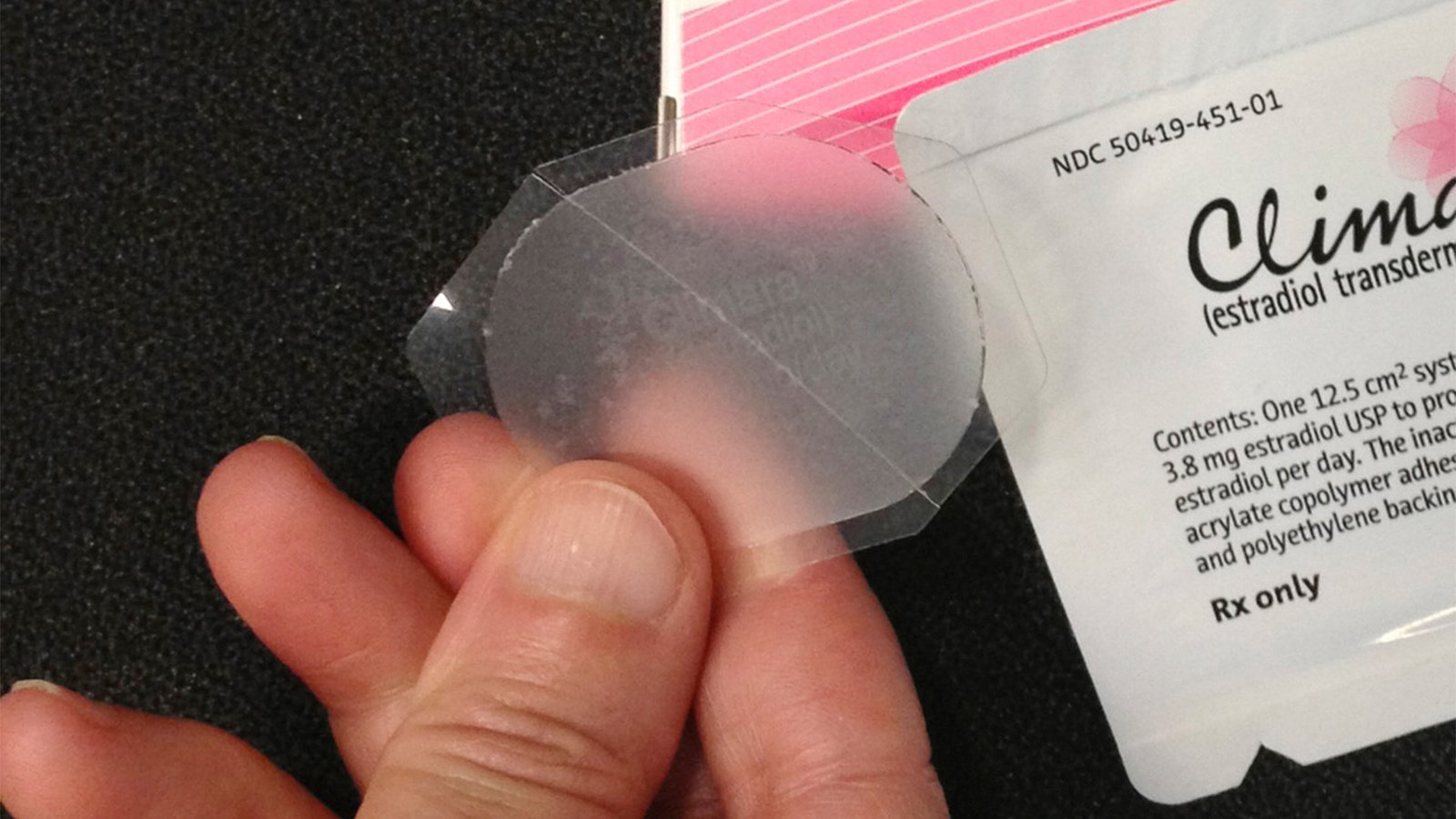
New Jersey women starting in April can take advantage of state-mandated insurance coverage for menopause-related health issues including brittle bones, urinary incontinence, psychological ills and sexual dysfunction. The treatment can include the hormone replacement therapy recently declared safe after it was shelved decades ago.
Gov. Phil Murphy signed the insurance legislation just before he left office on Jan. 20, making New Jersey an early leader on the issue, joining Illinois and Louisiana. For health care providers, a second bill permits continuing-education credits for menopause and women’s health study.
Roughly 1.2 million New Jersey women are ages 40-59, the demographic most likely to experience menopause, or the hormone-driven end of menstruation, and its precursor, perimenopause. Private and public-worker health plans, plus the state Medicaid program NJ FamilyCare, must cover hormone replacement and other prescribed medicine, pelvic floor strengthening, osteoporosis treatment, behavioral and mental health services, screening and other care.
“Menopause is a real issue that impacts women sometimes significantly, physically, mentally, emotionally, economically,” said the legislation’s sponsor, Heather Simmons (D-Cumberland). “In the past I’ve been prescribed a service or treatment that my policy didn’t cover. But I could talk to a girlfriend or a relative with their policy, and their policy may have covered it.”
One option is hormone replacement therapy, or HRT, which was popular until 2003, when the U.S. Food and Drug Administration gave it a black-label warning, its most stringent safety notice. In November, the FDA rescinded the warning, saying updated science showed that earlier heart, dementia and breast cancer risks were greatly overstated. Now, science says, the drugs benefit the heart and metabolic system, reduce diabetes rates and support neurological function.
“Women who are on HRT — their bones are healthier, their bones are stronger,” said Dr. Shefali Patel, an obstetrician and gynecologist. “And then there are the things we don’t always look at in studies, sexual satisfaction, having vaginal atrophy, impact on libido, mood, sleep.”
Menopause’s side effects cost the U.S. economy $1.8 billion as a result of missed work time, according to a 2023 Mayo Clinic study. Many women reported untreated discomfort. One in 10 women left or considered leaving the workforce.
The benefits of treatment in general go well beyond the patient, according to Allison Kalsched, co-founder of Essex County-based Not Your Mother’s Menopause, which educates about midlife health.
“Those two bills can really ensure that women don’t have to do so much research themselves,” Kalsched said. “There’s not going to be a barrier to getting the care that you need, so then they can continue on in the workplace. I mean, the amount of money that is lost in the workplace due to women calling out sick or not being able to perform as well as they normally can because they feel brain fog, they’re having a hot flash in the middle of a meeting. These are real dollars-and-cents issues that hit the economy as well as our lifestyle.”
This story is made possible in part by the Corporation for Public Broadcasting, a private corporation funded by the American people.



