
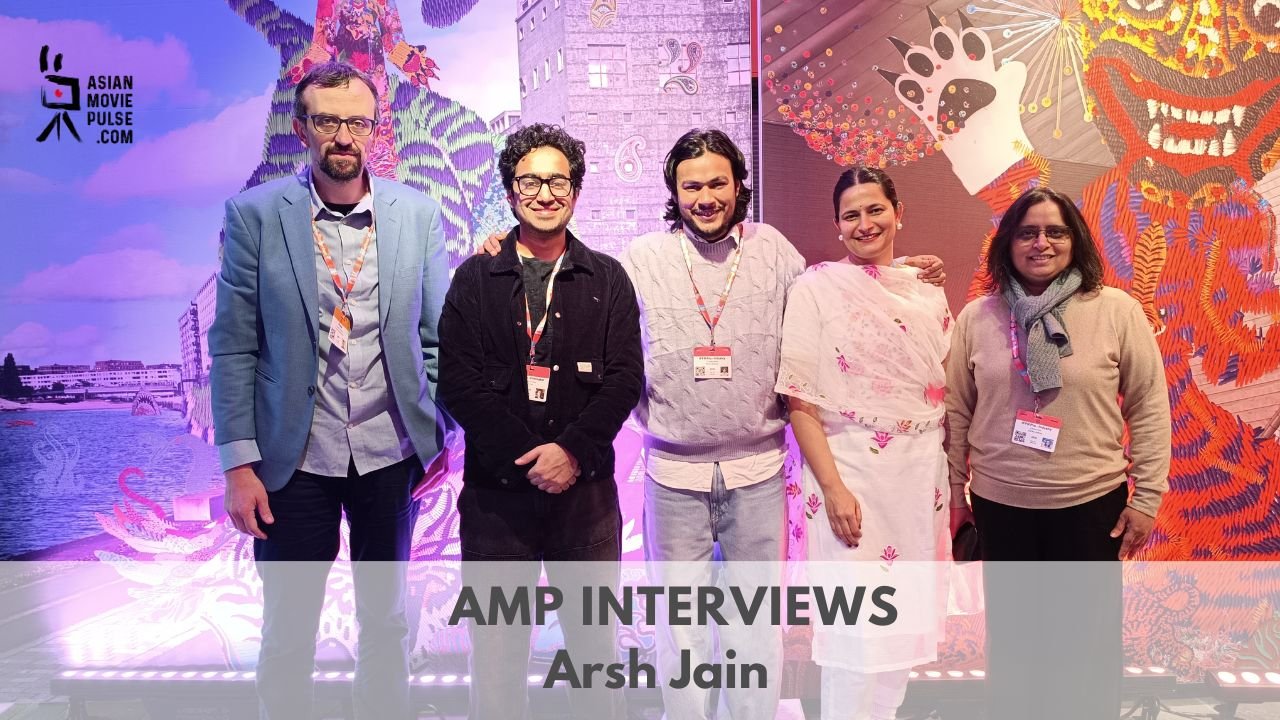
Arsh Jain did not set out to make a film about wedding band musicians. The original idea for “Master Bantoo” revolved around a corporate employee trapped in a meaningless job in a fictional company with no real purpose. The turning point came at a relative’s wedding, where Jain found himself observing the band more closely than ever before. Their uniforms resembled British soldiers, their instruments were Western, their training was rooted in Hindustani classical music, and the tunes they played were Bollywood hits. That strange cultural cocktail sparked a question about identity—and the film found its true subject.
Research revealed that Indian wedding bands are a colonial leftover: inspired by British military marches that Indian aristocrats once imitated for celebratory occasions. Generations later, musicians still wear those uniforms, still play those instruments, but with little dignity attached to their craft. Jain spent months speaking to band members across Delhi and realized that these musicians, highly skilled yet socially invisible, live lives not far removed from the corporate protagonist he was initially writing about. They perform every night, yet no one notices them.
This realization shaped the film’s central conflict: what if a wedding band trumpet player were forced into the journey of becoming an “artist”—a concept foreign to his socio-economic reality?
The production approach mirrors this idea of invisibility. Shot guerilla-style in just 13 days, with no more than six people on set at any time, the film was embedded into real weddings. Jain struck a deal with an actual Delhi band, borrowed their uniforms and instruments, and sneaked actors into live wedding processions. None of the wedding guests knew they were part of a film shoot. The chaos of real weddings, impossible to choreograph, became the film’s most difficult and most authentic environment.
Apart from five trained actors, most people appearing on screen are real musicians Jain encountered during his research. A street performer, a flute-playing security guard, and even the real band owner appear as themselves. Convincing them to participate was surprisingly easy; making them act was harder.
Although the material could have easily turned into a documentary, Jain chose fiction deliberately. For him, a narrative film has greater emotional reach. If audiences, after watching “Master Bantoo,” simply look at wedding musicians differently or acknowledge them as artists, the film will have achieved its purpose.
A notable stylistic element is the recurring interview scenes set against a black background. Jain explains these as figments of Bantoo’s imagination—spaces where the character projects his artistic dreams. The empty blackness allows the audience to imagine any size of crowd, any scale of recognition, unrestricted by visual cues.
Editing became the film’s second writing process. With nearly three hours of footage initially, Jain spent eight to nine months reshaping the material, discovering the film’s structure in the edit room. The intercutting between reality and imagination, the rhythm of the wedding scenes, and even animated elements emerged during this phase.
Jain also reflects on the vibrant independent film scene in Delhi, where collaborations replace budgets and filmmakers support each other across projects. “Master Bantoo” was built almost entirely on goodwill, shared resources, and creative problem-solving rather than money.
Towards the end of the conversation, producer Dhruv Solanki outlined their unconventional distribution plans. The movie will tour international festivals until October, followed by Indian festivals and extensive community screenings in cafés, basements, and film clubs across the country. The aim is to build organic buzz that could lead to a VOD deal by April next year. If not, they are prepared to pursue pay-per-view distribution independently.
Producer Jyotsana Rajpurohit highlights the crucial support of filmmaker Praveen Morchhale, whose mentorship and connections were instrumental. Through him, renowned colorist Hamidreza Fatourehchian—known for work on films by Jafar Panahi—came on board, something the team admits would have been otherwise impossible.
As for Jain’s future, he jokes that after such an intense project, he now feels drawn toward composing music or writing a comedy or road film. Yet he admits that one day he still wants to make the corporate film that originally sparked this journey.
“Master Bantoo” may be about a trumpet player in a wedding band, but behind it lies a broader meditation on dignity, identity, and the quiet erasure of craftsmanship in modern society.



