
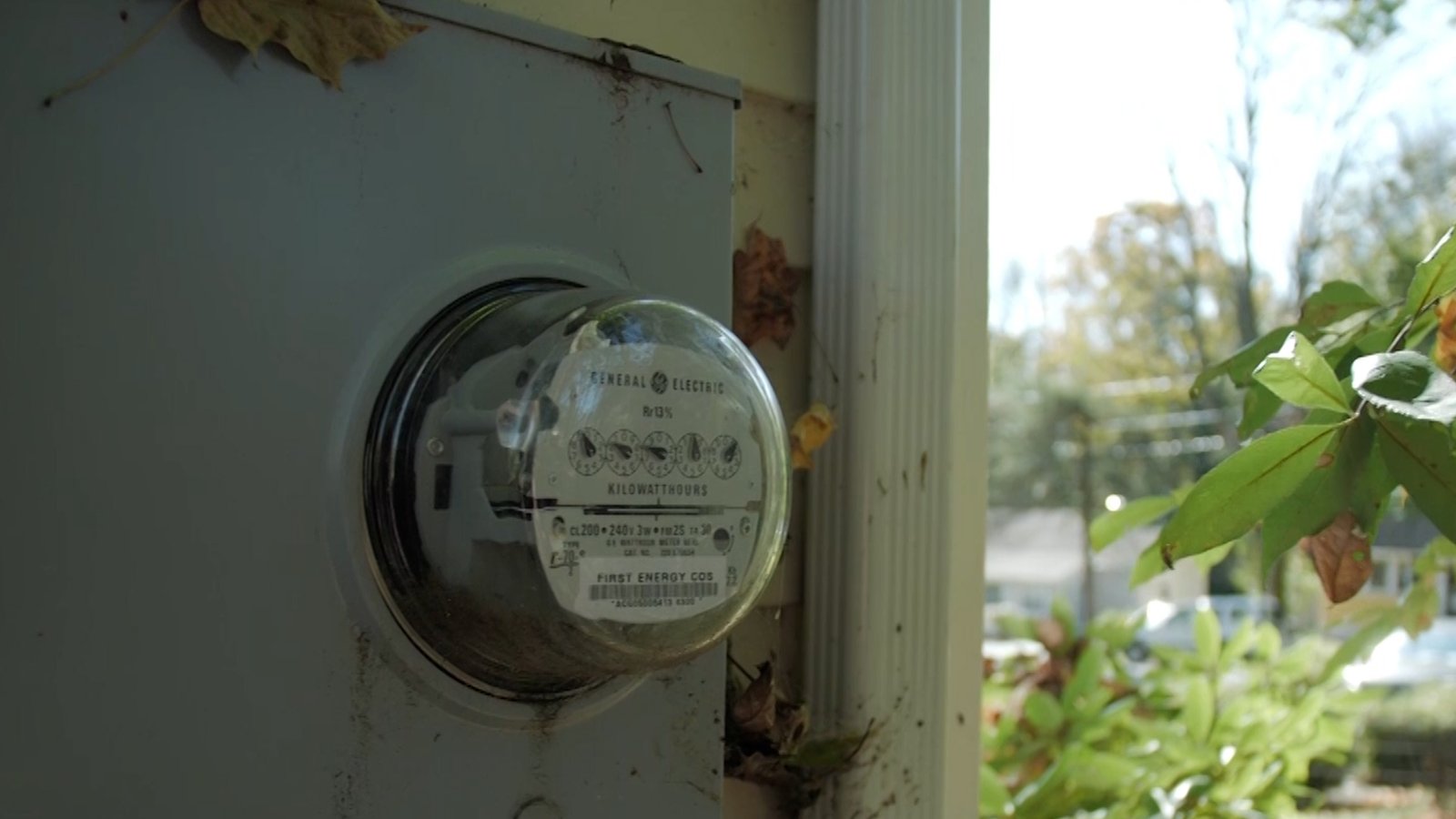
Electric bills will remain largely unchanged for New Jersey residents this year, offering a reprieve from steep rate increases last year.
The New Jersey Board of Public Utilities on Thursday announced the results of the state’s annual Basic Generation Service auction, which is a major factor in determining electric rates.
Average residential PSE&G customers are projected to have their monthly bills drop $3.23, while Rockland Electric customers can expect a $1.17 decrease. Atlantic City Electric customers are expected to see the least change — just a $0.22 increase each month. JCP&L customers can expect to pay $2.23 more each month.
The new rates will take effect on June 1, a year after bills shot up an average 20%.
Gov. Mikie Sherrill — who started her term with a pair of executive orders aimed at combatting rising utility costs — attributed the latest auction results to recent efforts by Democratic governors to implement price caps on separate supply auctions run by PJM Interconnection, with operates the regional power grid.
Democrats in New Jersey and surrounding states have blamed PJM for rising electric costs, arguing that its policies are blocking new, clean power sources to connect to the grid while rapid data center proliferation causes electricity demand to soar. PJM says it’s warned authorities for years about impending shortages, and notes that its auctions follow federal regulator guidelines.
PJM power supply auction results in December project that as soon as 2027, the grid will be unable to meet demand reliably.
“The recent auction results demonstrate that the fight to implement price caps at PJM is working to keep electricity costs from further skyrocketing,” Sherrill said in a statement. “I’m committed to continuing to work to drive down utility costs and hold PJM accountable.”
‘Keeping the lights on’
PJM has pledged to tackle data center demand directly, last month unveiling a plan that includes calls for improved demand forecast and increased role for states; allowing new data center projects to build their own power generation; and accelerating the interconnection process for state-sponsored power generation projects.
“This decision is about how PJM integrates large new loads in a way that preserves reliability for customers while creating a predictable, transparent path for growth,” David Mills, PJM’s interim president and chief executive officer, said in a statement at the time.
“This is not a yes/no to data centers. This is ‘How can we do this while keeping the lights on and recognizing the impact on consumers at the same time?’” he said. “We look forward to implementing, along with our stakeholders, these proposals to manage the phenomenal demand growth we are experiencing.”
We’re in this together.
For a better-informed future.
Support our nonprofit newsroom.



