
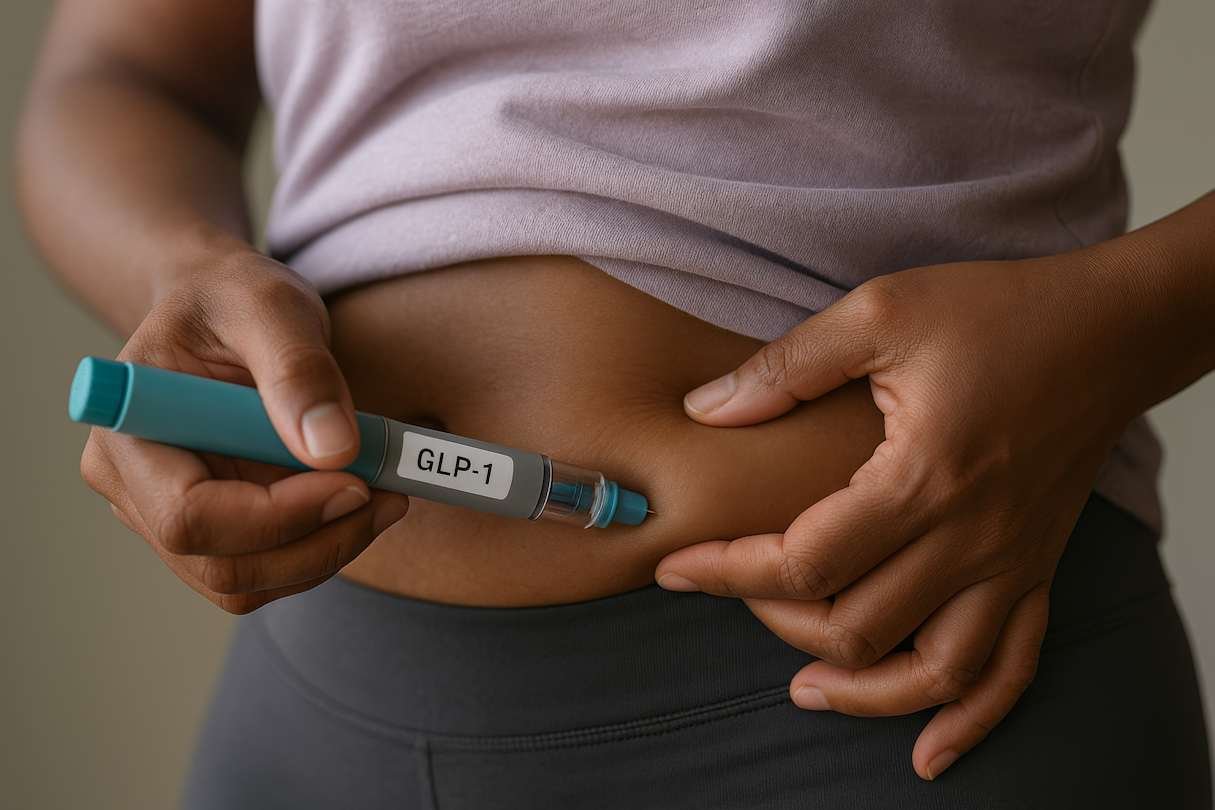
Any licensed health care provider—including primary care physicians, nurse practitioners, physician assistants, and specialists such as endocrinologists, cardiologists, and gastroenterologists—can prescribe GLP-1 medications.
Ideally, the prescriber is someone you can work with long term, says John Morton, MD, MPH, chief of Bariatric and Minimally Invasive Surgery at Yale Medicine and a board-certified obesity medicine specialist.
“That’s because obesity is a chronic disease,” Dr. Morton says. “It didn’t happen overnight and it’s not going to get better overnight. You don’t want to get a prescription and walk away—that’s not going to work in the long term.”
About half of patients who start a GLP-1 medication stop within a year, he notes, often because of side effects, cost, or lack of follow-up. Ongoing support improves adherence and outcomes.
The Yale Center for Weight Management, a collaboration between Yale New Haven Health and Yale School of Medicine, brings together obesity medicine specialists across cardiology, gastroenterology, endocrinology, and orthopaedics, along with dietitians, psychologists, and exercise physiologists.
“While primary care physicians are getting more comfortable prescribing these medications, we have a whole clinic built around it,” Dr. Imaeda says. “We can offer support around diet, exercise, and side effect management that primary care may not always have time to address. But what matters most is what’s best for the patient.”
Telehealth companies also prescribe GLP-1 medications, though continuity of care and long-term follow-up vary by provider.



