
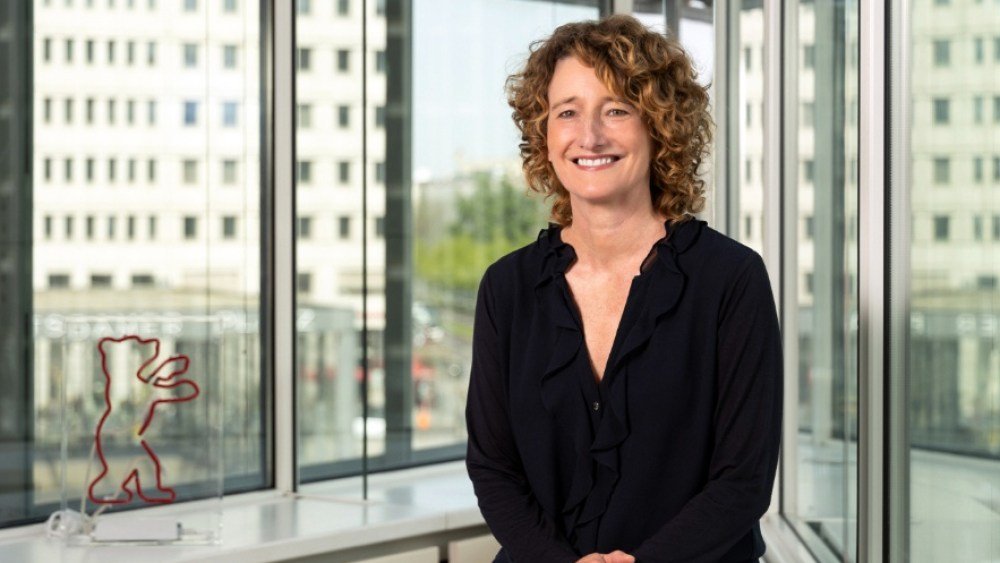
The governing body of the Berlin Film Festival has failed to reach a decision on whether to continue the contract of its festival director, Tricia Tuttle.
The non-decision came at an extraordinary meeting, called by Germany’s culture minister Wolfram Weimer, of the Berlin Film Festival’s governing body, KBB GmbH, on Thursday morning to discuss the “future direction” of the Berlinale. It is believed the meeting was convened in response to criticism of political statements made at the festival.
“This morning, a supervisory board meeting of KBB GmbH took place in the Chancellery. The topic was the Berlinale,” said a spokesman for Weimer. “Talks on the Berlinale will continue in the coming days between the director, Tricia Tuttle, and the supervisory board.”
After a story in German tabloid Bild on Wednesday suggested that Tuttle was about to be sacked, film business insiders and Berlinale staffer rallied to her defense. A petition supporting her, signed by film professionals – including luminaries such as Sean Baker, Todd Haynes, Tilda Swinton and Kleber Mendonça Filho – rapidly gathered around 700 names (it has now exceeded 1,000).
Then, on Thursday morning, more than 500 staffers at the festival wrote an open letter to voice their support for Tuttle.
The letter stated: “We do not exaggerate when we say, as one, that it is unlikely the KBB Supervisory Board could have appointed a more intelligent, ethical and responsive leader for the Berlinale, nor one more dedicated to the core principles that make this festival a vital platform for cinema in Germany and internationally.
“We hope this message will go some way to communicating the extent of the admiration and loyalty Tricia has inspired in all who are invested in the future of the Berlinale, and the future of cinema.”
During its 76th edition, running Feb. 12-22, the festival was at first accused of censoring political talk when prominent attendees, including jury president Wim Wenders, declined to discuss politics. But the controversy blew up when on closing night, several prize-winners used their acceptance speeches to voice support for Palestine and Gaza.



