
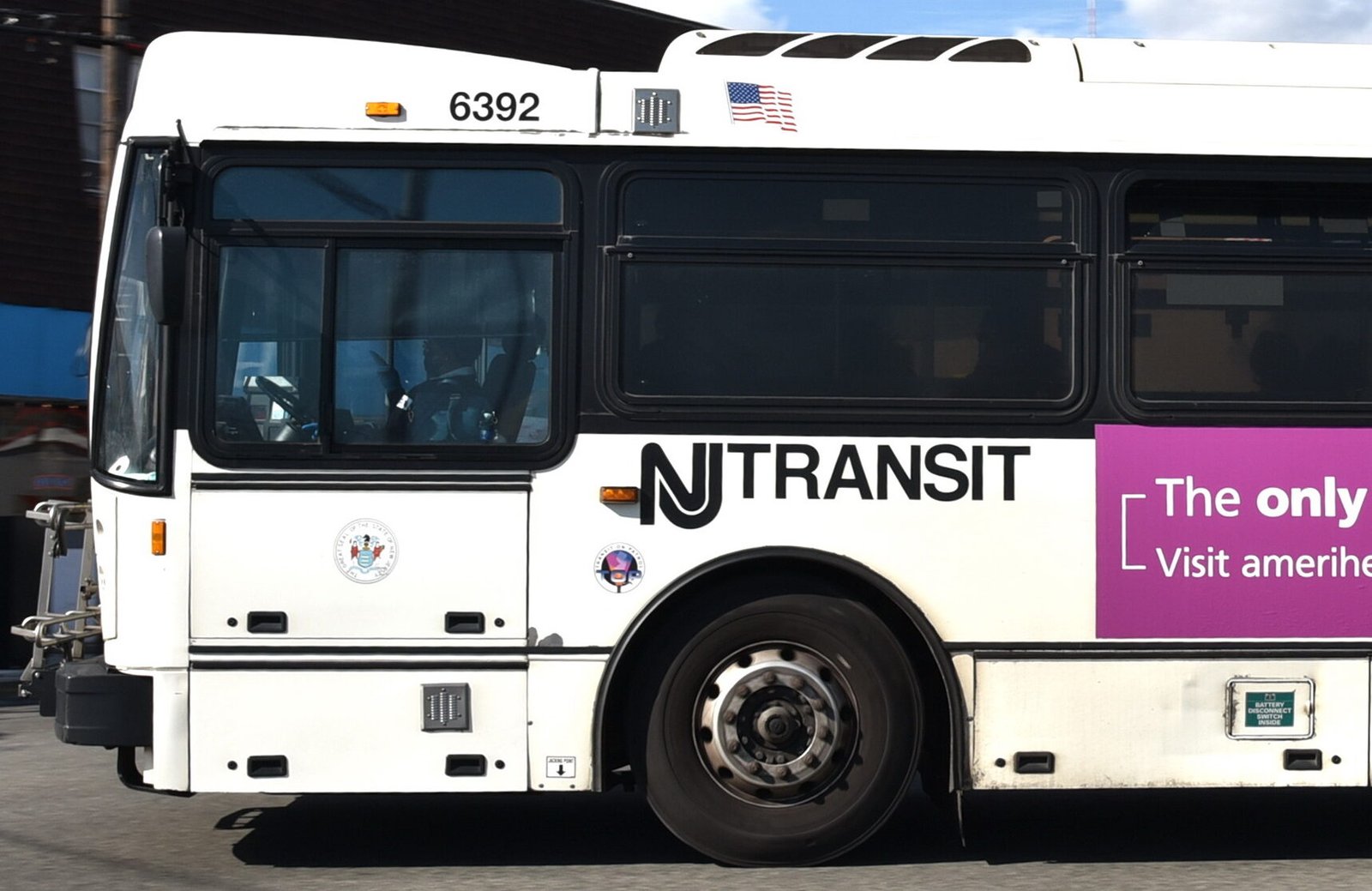
Out-of-state residents can sue NJ Transit outside of New Jersey because the corporation is not an arm of the state and does not share in New Jersey’s sovereign immunity, the U.S. Supreme Court unanimously ruled Wednesday.
The agency’s ability to sue and be sued marked it out as a separate entity, and New Jersey’s lack of responsibility for the corporation’s debts undercut one of the major justifications for immunizing public entities from legal liability, the court said.
“States are generally entitled to immunity from being sued in another State’s courts without their consent. That sovereign immunity is personal to the State and thus extends only to arms of the State itself,” Justice Sonia Sotomayor wrote for a unanimous court.
Judge rejects Trump bid to end congestion pricing
Wednesday’s decision resolves dueling rulings over NJ Transit bus accidents from state courts of last resort in New York and Pennsylvania. The New York high court had ruled NJ Transit was not an arm of the state entitled to sovereign immunity, while the Pennsylvania Supreme Court ruled the opposite.
Sovereign immunity shields governments from legal liability they do not consent to by, for instance, passing laws that create a cause of action against the state. Broadly, the doctrine is meant to guard public coffers from private control.
The U.S. Supreme Court’s decision pointed to NJ Transit’s structure as a corporate entity. That New Jersey law calls it an “instrumentality of the state” is irrelevant because the term is not historically defined and is undermined elsewhere in law, the court said.
That New Jersey funds a portion of NJ Transit’s expenses through direct subsidies and diversions from state funds — and despite that funding sometimes accounting for nearly half of the agency’s budget — bears little relevance to its classification, the court ruled.
“A state’s history of subsidizing an entity carries little weight. State governments routinely fund nonprofits, private corporations, and municipalities, but the receipt of those state funds does not mean that those entities become a part of the state itself, even when the funding is a ‘significant amount,’” Sotomayor wrote.
And while state bonding authority backs some NJ Transit capital spending, the state is not liable for the agency’s debts, the court said.
State control over an entity was also not dispositive, the court said. States could reshape school boards, cities, and counties if they wished, but all those subdivisions are still separate entities.
In New Jersey, there are unique constitutional reasons to structure a government agency as a corporation separate to the state. The state’s constitution caps the number of departments New Jersey can have at 20. In-but-not-of agencies, like, for example, the Economic Development Authority or the Schools Development Authority, do not count against that limit.
GET THE MORNING HEADLINES.



