

Medicare Advantage plans, formally Part C of Medicare, offer Medicare beneficiaries an alternative to original Medicare and have been successful in signing up Medicare-eligible Americans. However, 2025 was tough for Medicare Advantage plans and their customers. Policy changes during the past year have impacted deductibles, out-of-pocket costs, provider networks and prior authorization determinations.
The changes “have contributed to increased confusion, lower member satisfaction and a widespread lack of trust among Medicare Advantage plan members,” according to J.D. Power’s 2025 U.S. Medicare Advantage Study.
Among its findings, the study showed a 29-point drop in overall customer satisfaction with Medicare Advantage plans, led by a decline (39 points) in members’ overall level of trust in their Medicare Advantage plan.
Sign up for Kiplinger’s Free Newsletters
Profit and prosper with the best of expert advice on investing, taxes, retirement, personal finance and more – straight to your e-mail.
Profit and prosper with the best of expert advice – straight to your e-mail.
Not all Medicare Advantage programs are alike, however. Plans that provide new digital tools, broader networks and social support services. are more likely to win over subscribers, according to the J.D. Power Study.
Medicare Advantage (MA) enrollment has surged from just 19% of the eligible population in 2007 to 54% in 2025. This majority share represents 35 million out of the 62.8 million beneficiaries with both Medicare Parts A and B. While MA enrollment grew at a robust 9% annually between 2007 and 2024, that momentum is beginning to shift; since February 2025, plans added 1.1 million subscribers, marking a more modest 4% increase. Notably, the bulk of recent growth (83%) is driven by Special Needs Plans (SNPs), which are tailored specifically for individuals with chronic conditions, complex healthcare needs, or dual eligibility for Medicaid.
What Medicare Advantage plans offer
In 2026, the out-of-pocket limit for Medicare Advantage plans cannot exceed $9,250 for in-network services and $13,900 for in-network and out-of-network services combined. While traditional Medicare has no out-of-pocket cap on spending, Medicare Advantage plans have limited provider networks and apply cost management tools such as prior authorization, which traditional Medicare generally does not. In 2026, Medicare began testing out an AI-powered prior authorization plan in six states.
(Image credit: Getty Images)
What Medicare Advantage enrollees like about their plans
The 2025 U.S. Medicare Advantage study by J.D. Power measured the customer satisfaction of Medicare Advantage enrollees and the most important factors driving customer satisfaction. This year, the study reflected how Medicare Advantage insurers and polices were impacted by policy changes that impacted many facets of member care and costs. The overall satisfaction rates have dropped, primarily as a result of a loss of trust.
“With so much rumbling in the marketplace right now about increased government oversight, policy changes, and profitability challenges confronting Medicare Advantage plans, it can be misleading for plans to conclude that the significant decline in member satisfaction is a byproduct of changes that are outside their control,” said Christopher Lis, managing director of global healthcare intelligence at J.D. Power.
Key findings of the 2025 study:
- The factors that drive customer satisfaction: Respondents gave Medicare Advantage plans an overall customer satisfaction score of 623 (on a 1,000-point scale). This is a 29-point drop from last year’s score of 652. The top drivers of customer satisfaction for top plans are new digital tools, broader networks and social support services.
- Lack of trust drives satisfaction decline: A 39-point drop in members’ overall level of trust in their Medicare Advantage plan was the primary cause of the decline in customer satisfaction. Factors such as product/coverage offerings meeting needs and the ease of doing business also saw significant declines in this year’s study.
- Plans that deliver “digital satisfaction” score higher overall: The ability to engage with members through digital channels resulted in higher satisfaction. Digital satisfaction was, on average, 98 points higher among members of the high-performing plans. More of these members (52%) “find the features or tools offered on their plan’s website very easy to use” as opposed to lower-performing plans (40%). That’s probably why only 76% of members of low-performing plans have used their member portal vs 85% of high-performing plans.

(Image credit: Getty Images)
Overall customer satisfaction index ratings for Medicare Advantage plans in surveyed states
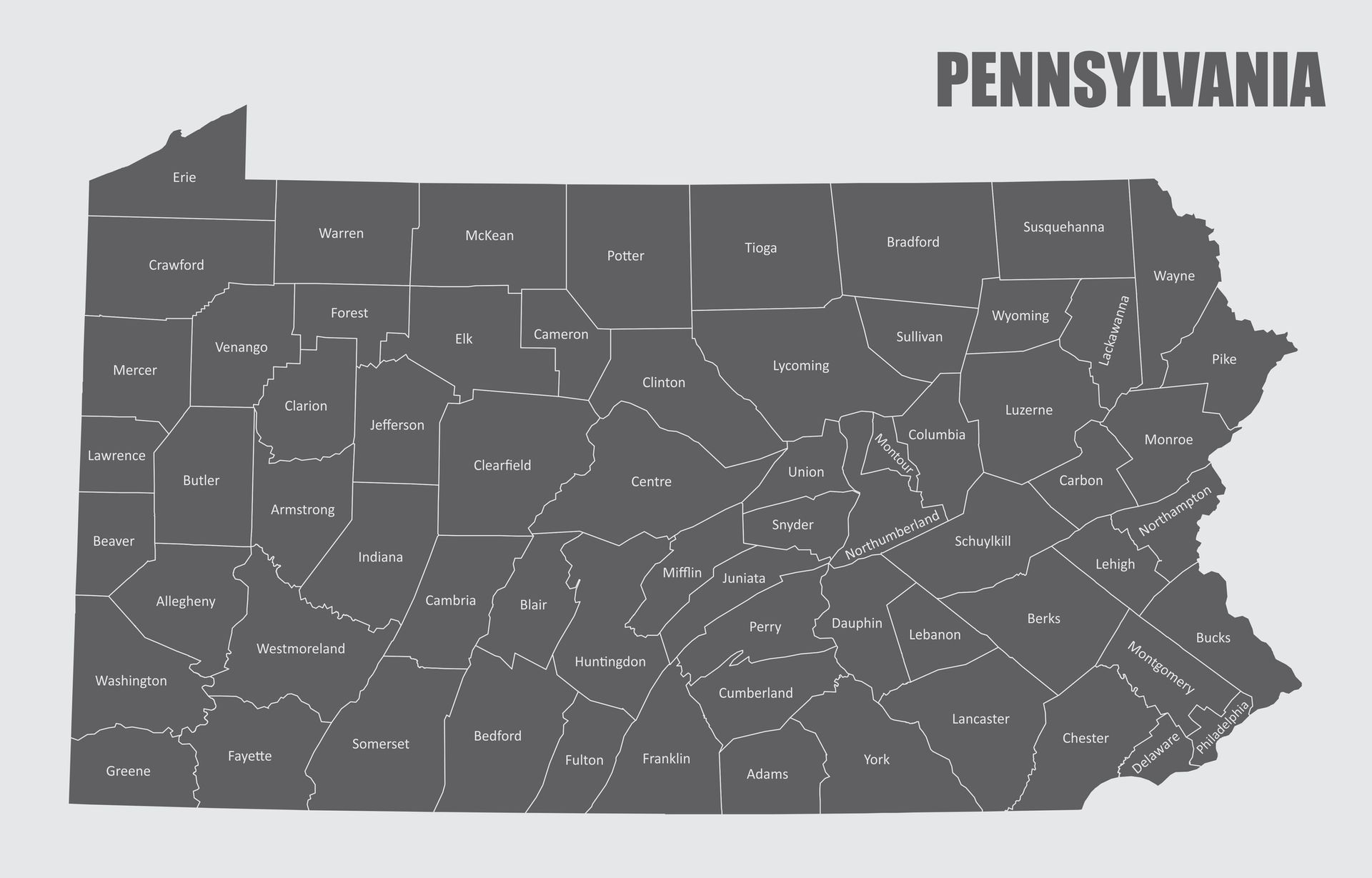
Medicare Advantage subscribers in Pennsylvania (653), Michigan (647) and Ohio (649) give the highest satisfaction to the Advantage plans in their states, with survey respondents giving plans in Pennsylvania the highest marks among the 10 states surveyed. Georgia (622), Texas (607) and New York (600) had the lowest overall customer satisfaction scores and New York had the lowest of all states in the study.
Blue Cross Blue Shield plans topped the overall satisfaction rating for five states (Illinois, Michigan, New York, Ohio, and Texas). UnitedHealthcare was a distant second with top ratings from only two states (Georgia and North Carolina). Humana finished last in three states (Michigan, North Carolina, Ohio) and was second from the bottom in four states (California, Georgia, Pennsylvania and Texas).
| Header Cell – Column 0 | California | Florida | Georgia |
|---|---|---|---|
Region averages | California region average- 634 | Florida region average- 623 | Georgia region average-622 |
Providers and score out of 1,000 | Kaiser Permanente- 675 | Freedom Healthcare Inc.- 670 | UnitedHealthcare-648 |
| Row 2 – Cell 0 | SCAN Healthcare- 672 | Humana-640 | Anthem Blue Cross and Blue Shield- 625 |
| Row 3 – Cell 0 | Alignment Health Plan- 658 | Wellcare- 623 | Aetna Medicare- 611 |
| Row 4 – Cell 0 | Blue Shield of California- 631 | Florida Blue- 616 | Humana-611 |
| Row 5 – Cell 0 | Wellcare- 613 | UnitedHealthcare- 606 | Wellcare-573 |
| Row 6 – Cell 0 | UnitedHealthcare- 586 | Aetna Medicare- 590 | Row 6 – Cell 3 |
| Row 7 – Cell 0 | Humana- 578 | Row 7 – Cell 2 | Row 7 – Cell 3 |
| Row 8 – Cell 0 | Anthem Blue Cross- 570 | Row 8 – Cell 2 | Row 8 – Cell 3 |

(Image credit: Getty Images)
| Header Cell – Column 0 | Illinois | Michigan | New York |
|---|---|---|---|
Region average | Illinois region average- 615 | Michigan region average-647 | New York region average- 600 |
Providers and score out of 1,000 | Blue Cross and Blue Shield of Illinois- 654 | Blue Cross and Blue Shield of Michigan- 675 | Excellus Blue Cross Blue Shield- 648 |
| Row 2 – Cell 0 | UnitedHealthcare- 631 | HAP Senior Plus- 660 | Healthfirst Medicare Plan- 617 |
| Row 3 – Cell 0 | Humana- 608 | Priority Health Medicare- 656 | Humana- 595 |
| Row 4 – Cell 0 | Aetna Medicare- 603 | UnitedHealthcare- 642 | UnitedHealthcare- 590 |
| Row 5 – Cell 0 | Wellcare- 603 | Humana- 574 | Aetna Medicare- 588 |
| Row 6 – Cell 0 | Row 6 – Cell 1 | Row 6 – Cell 2 | Highmark Blue Cross Blue Shield- 550 |
| Row 7 – Cell 0 | Row 7 – Cell 1 | Row 7 – Cell 2 | Row 7 – Cell 3 |
(Image credit: Getty Images)
| Header Cell – Column 0 | North Carolina | Ohio | Pennsylvania | Texas |
|---|---|---|---|---|
Region average | North Carolina region average- 640 | Ohio region average- 649 | Pennsylvania region average- 653 | Texas region average- 607 |
Providers and score out of 1,000 | UnitedHealthcare- 663 | Anthem Blue Cross Blue Shield- 680 | UPMC For Life- 708 | Blue Cross Blue Shield of Texas- 639 |
| Row 2 – Cell 0 | Blue Cross and Blue Shield of North Carolina- 641 | Aetna Medicare- 655 | Highmark Blue Cross Blue Shield- 682 | UnitedHealthcare- 617 |
| Row 3 – Cell 0 | Aetna Medicare- 632 | UnitedHealthcare- 636 | Independence Blue Cross- 653 | Cigna Healthcare- 616 |
| Row 4 – Cell 0 | Humana- 622 | Humana- 612 | Aetna Medicare- 632 | Aetna Medicare- 589 |
| Row 5 – Cell 0 | Row 5 – Cell 1 | Row 5 – Cell 2 | UnitedHealthcare- 624 | Humana- 587 |
| Row 6 – Cell 0 | Row 6 – Cell 1 | Row 6 – Cell 2 | Humana- 622 | Wellcare- 577 |
| Row 7 – Cell 0 | Row 7 – Cell 1 | Row 7 – Cell 2 | Geisinger Gold- 608 | Row 7 – Cell 4 |
How the study was conducted:
The 11th annual U.S. Medicare Advantage Study is based on eight factors (in order of importance): level of trust; able to get health services how/when I want; helping to save me time or money; product/coverage offerings meet my needs; ease of doing business; people — representatives, call center agents; resolving problems or complaints; and digital channels.
The 2025 U.S. Medicare Advantage Study is based on the responses of 10,888 members of Medicare Advantage plans in 10 market-based U.S. regions: California, Florida, Georgia, Illinois, Michigan, New York, North Carolina, Ohio, Pennsylvania and Texas. It was fielded from January through June 2025.



