
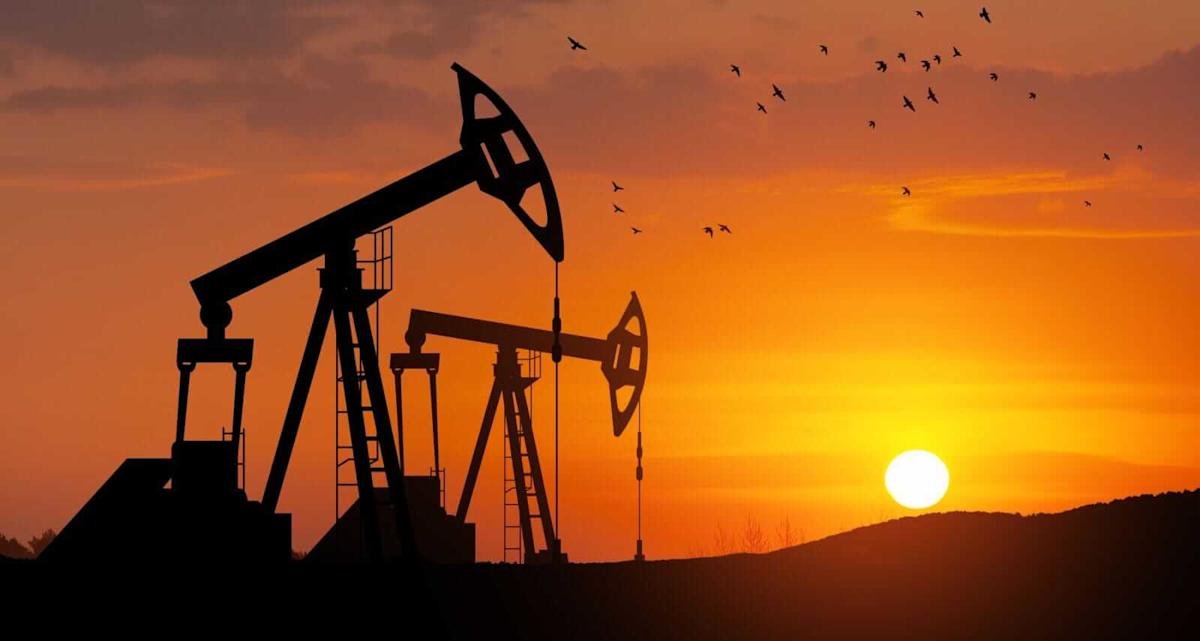
As the conflict between the United States and Iran intensifies, the global economy is once again facing volatile market conditions. Prices of oil are sparking, and investors are fleeing into shock-absorber assets such as oil and gold (GCK26).
In his 1979 shareholder letter, Warren Buffett stated that while the government is “exceptional” at “printing money and creating promises,” it remains fundamentally unable to “print gold or create oil.” Although written nearly five decades ago, this observation remains strikingly relevant as geopolitical instability drives investors toward material assets.
As the bombings continue, investors have gravitated towards oil, which has seen price increases due to supply cutoffs. One reason for the current oil market volatility is the effective closure of the Strait of Hormuz. As of early March 2026, the waterway, which typically funnels 20% of the world’s daily seaborne oil, has become functionally impassable for most commercial shipping following threats from Iran to set vessels ablaze. These threats have led to an 80% drop in traffic.
This physical disruption has had immediate economic consequences. Crude oil futures have surged 35% in just the last five days while supply is temporarily cut off. The escalation, fueled by U.S. and Israeli actions against Iran, has forced investors to confront the reality that promises of energy security mean little when the physical infrastructure of supply is under attack. However, while the prices of oil increase, oil companies collect more revenue and investors can potentially expect higher returns.
In his 1979 letter, Buffett compared Berkshire Hathaway’s (BRK.A) (BRK.B) book value to the price of gold. He noted that after 15 years of “blood, sweat, and tears” and plowing back all earnings, the company’s increased book value still only bought about the same half-ounce of gold it would have in 1964. He drew a similar comparison to oil, highlighting that while currency can be printed without direct resource issues, precious materials are finite and scarce.
Source: finance.yahoo.com



