
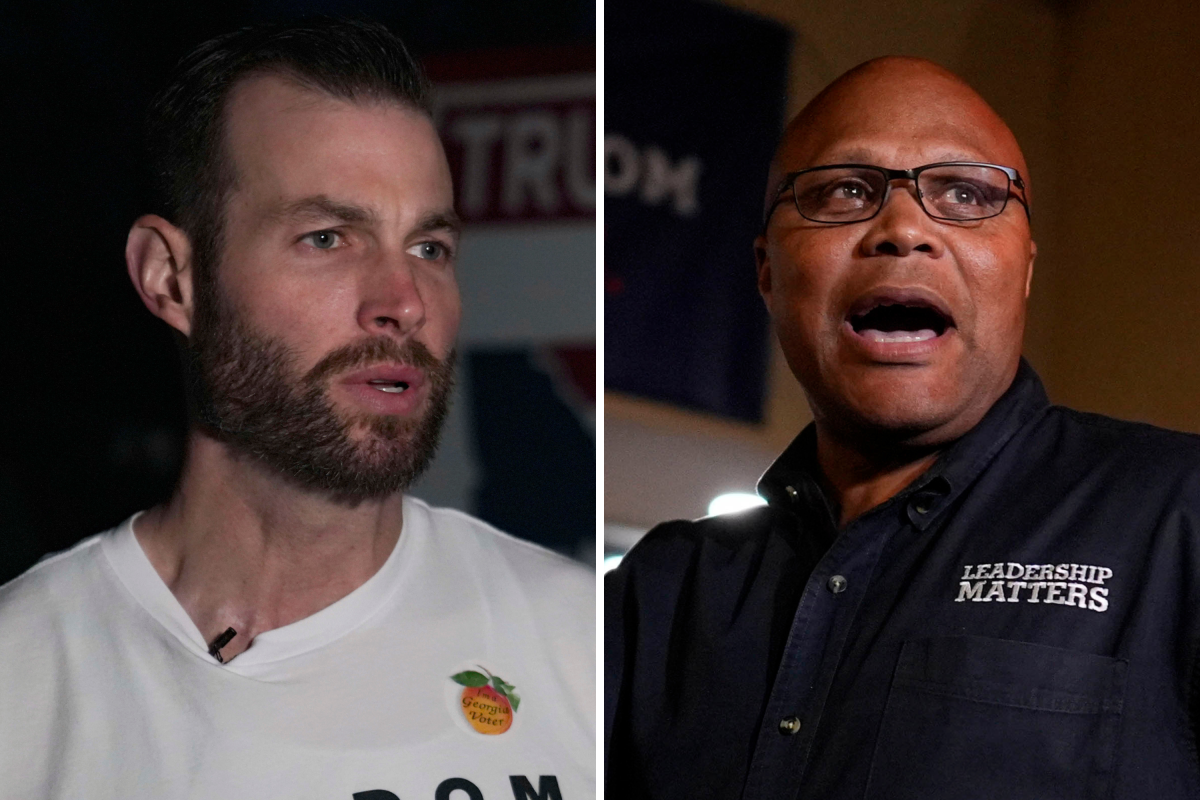
Prediction markets show Shawn Harris facing steep odds against Trump‑backed Clayton Fuller as Georgia’s 14th District heads toward an April runoff.
Why It Matters
The race was triggered by Marjorie Taylor Greene’s resignation, setting off a crowded, all‑party special election.
With no candidate clearing 50 percent, the contest now moves toward a decisive runoff that could test President Donald Trump’s influence in the district.
What To Know
Georgia’s 14th Congressional District is choosing a temporary replacement for Greene, one of the most high‑profile and controversial figures in recent House politics.
The special election drew 17 candidates across parties, making a runoff widely expected from the outset.
Republican Fuller and Democrat Harris emerged as the top two finishers and will face each other again in April.
While Harris has framed his campaign around moderation and outreach beyond party lines, Fuller enters the next phase with strong backing from national Republican figures, including Trump.
What the Prediction Markets Are Showing
Prediction markets are currently signaling a clear favorite.
On Kalshi, a regulated U.S. prediction market, Fuller is priced at around a 96 percent chance of winning the special election, with Harris at roughly 6 percent as of Wednesday morning.
In market terms, a “Yes” contract for Fuller has been trading near 96 cents, meaning traders are willing to pay close to a dollar on the belief he will ultimately win.
Harris contracts, by contrast, have been trading near 6 cents, reflecting long odds of an upset.
Trading volume has been heavy for a House race, with more than $860,000 wagered, suggesting strong interest from political bettors watching whether Trump’s endorsement translates into a clean runoff victory.
On Polymarket, where more than $190,000 has been wagered, traders are also heavily backing Clayton Fuller, who was priced at about a 95.3 percent chance of winning, compared with roughly 4.9 percent for Shawn Harris at the time of writing.
What Is a Prediction Market?
Prediction markets allow users to buy and sell contracts based on the outcome of future events, such as elections. Prices move as traders react to new information, effectively turning collective expectations into real‑time probabilities.
Supporters argue these markets can sometimes outperform polls by incorporating money, risk and rapid information shifts.
Critics caution they reflect trader sentiment rather than votes actually cast.
What People Are Saying
Fuller said on Tuesday night: “For those of you who questioned how important Donald J Trump is to this country, to Georgia 14, and the state of Georgia, you see what this man means to this community, what he means to the people in this country, and what he means to the MAGA movement.”
Harris told the BBC: “Everybody who voted for any other candidate […] I want to talk to every last one of them, and say: ‘Give me a chance.'”
Sheila Hutchings, a Democrat, told the BBC she voted for Harris because she wanted “a more positive” personality who would “speak kindly” to Georgians.
Teresa Lumsden, who backed Fuller, said: “He’s the perfect choice for representation in this area.”
What Happens Next
The runoff election will be held on April 7.
Between now and then, both campaigns are expected to intensify voter outreach, with Harris seeking to consolidate support from eliminated candidates and Fuller aiming to turn his market advantage into a decisive win at the ballot box.
National attention is also likely to remain fixed on the race, as Republicans and Democrats alike look for signals ahead of a broader election year.
Sign Up With Kalshi Promo Code WEEK
To create your Kalshi account now, just click here or use the following links to lock in $10 in bonuses once registration is complete and you have completed $100 worth of trades.
Newsweek may earn an affiliate commission if you sign up through any links in this article. See the prediction market operator’s terms and conditions for important details. The probabilities referenced in this story are correct at the time of publication and are subject to change.



