
New Jersey schools can face legal repercussions for sexual abuses committed by their workers even if the sexual misconduct took place off school grounds and outside of school-related events, New Jersey’s Supreme Court ruled Wednesday.
The 6-1 decision creates a new standard for examining whether schools have what’s known as vicarious liability and can face lawsuits for their role in allowing or failing to stop abuses. To be vulnerable, a school must have given the abuser authority over a student’s educational environment that resulted in the sexual abuse, and it must have appeared to tacitly approve of the abuse.
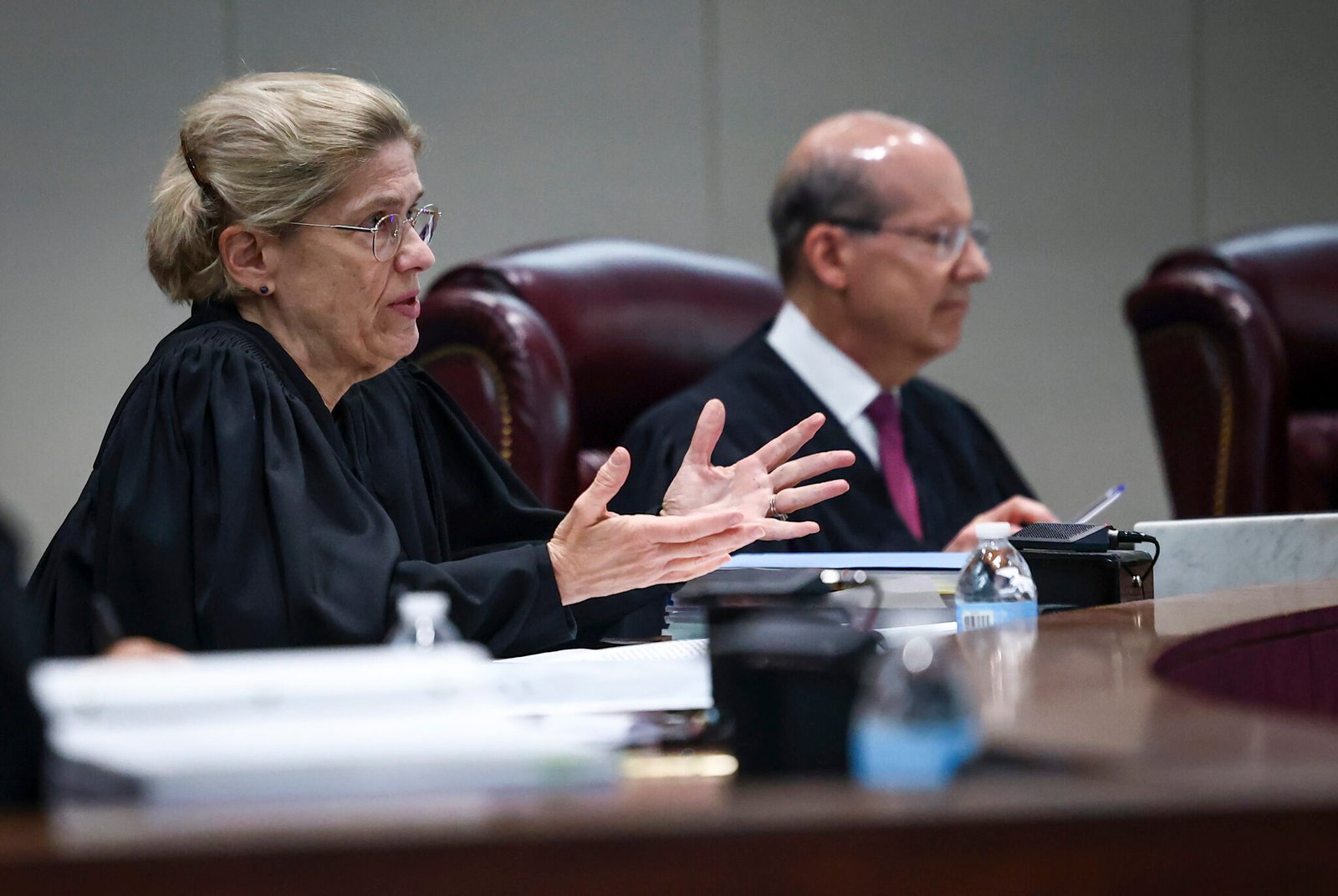
The state law in question “does not categorically bar the imposition of vicarious liability on a public entity for acts of sexual abuse outside the scope of a teacher’s employment,” Justice Anne Patterson wrote for the court.
Judge disqualifies leadership at US Attorney’s Office in NJ
Among other things, the high court said judges should consider whether schools implemented and enforced policies to prevent the sexual abuse of students, the circumstances of the abuse, whether the abuse took place on school property or at school-related events, whether it took place during school hours, and whether it was reported to school officials.
Under the standard, a school that fails to investigate reported sexual abuse could be considered to have tacitly approved of the abuse. A school could also be considered to tacitly approve if a teacher abused a student inside of their classroom for days or weeks and other school officials who ought to have been aware failed to stop it, the court said.
The decision flowed from four separate cases filed by adults who alleged they were sexually assaulted or abused by teachers in high school and sued their schools after lawmakers approved the Child Victims Act in 2019.
That law massively expanded the statute of limitations on civil suits over sexual abuse and assault, and it stripped public entities, like schools, of immunity from such lawsuits, which had until then been granted by the state’s Tort Claims Act. The latter law controls which claims can be brought against government entities in New Jersey.
In one of the cases at question, a man sued the Upper Freehold Regional School District, alleging a former science teacher who has since died had abused him at the teacher’s home in 1979.
The other three cases involved students who alleged former South Orange-Maplewood School District teacher Nicole Dufault sexually assaulted them. Dufault pleaded guilty to three counts of aggravated criminal sexual contact in 2020.
The decision was not unanimous, a rarity for the seven-person court. Justice Douglas Fasciale split with the majority, saying in a dissent that he believes the Child Victims Act makes schools liable for employees’ sexual abuses only if they occurred within the scope of their employment.
“The majority’s two conclusions are inconsistent: It is odd to assume that the Legislature intended to create vicarious liability for acts outside the scope of employment but simultaneously intended for this Court to curb that exposure by announcing new limitations on that liability,” Fasciale wrote in his dissent.
In a response to the dissent, the majority said limiting schools’ liability to sexual abuse cases within the scope of a worker’s employment would undermine the Legislature’s express goal of expanding victims’ rights.
A test to weigh whether a school gave a teacher control over a student and whether abuses occurred while that control was exerted would be more appropriate, Fasciale said.
Fasciale said the ruling would create strict liability — a type of liability that, unlike most, does not consider a person’s intent or mental state — for schools facing suits over teachers’ sexual abuses, though the majority insisted otherwise.
The Supreme Court remanded all four cases back to trial judges. They said the three students who sued the South Orange-Maplewood School District had proved they had vicarious liability claims.
Because the man who sued the Upper Freehold Regional School District alleged he was sexually assaulted by a teacher outside of school hours, a trial judge will have to determine whether he can pursue a vicarious liability claim using the standard the court’s decision created.
GET THE MORNING HEADLINES.



