
If you’ve ever heard of Dave Ramsey, you probably know his Baby Steps plan for financial security (1). The formula is famous for a reason: It’s clean, simple and, for many Americans, it’s been transformative.
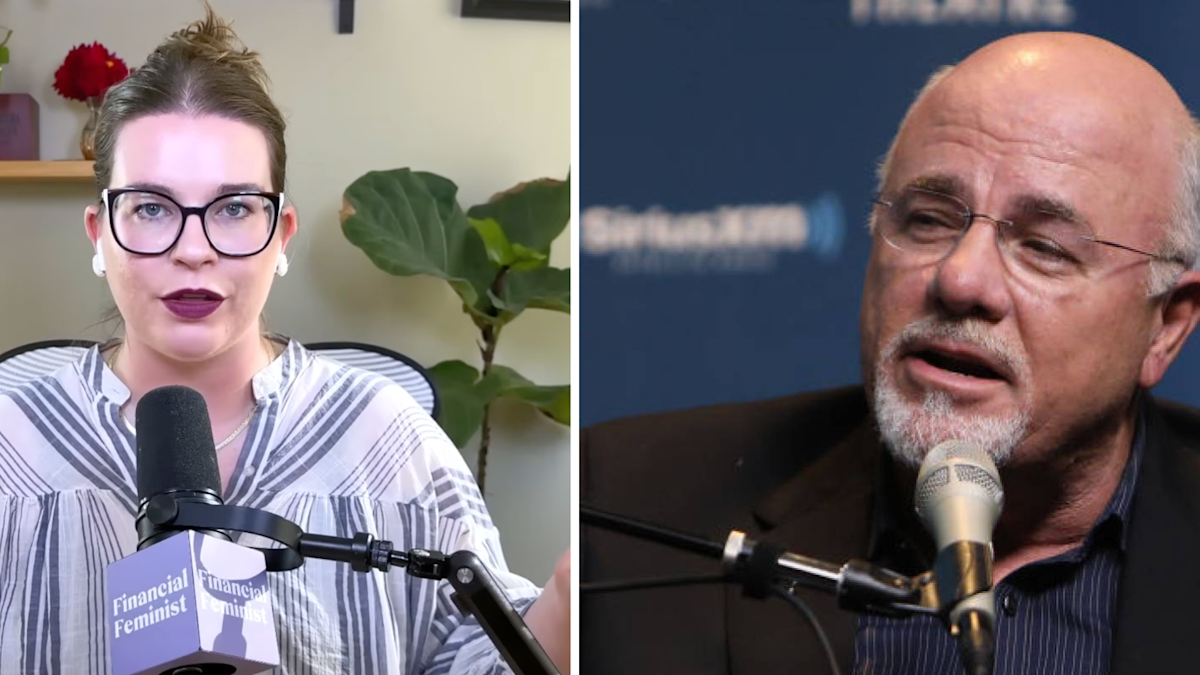
But fellow financial educator Tori Dunlap, founder of Her First $100K, argues Ramsey is setting people up for failure, calling him out for “one of the most problematic pieces of advice that makes me so … angry.”
What is it? Ramsey’s baby step No. 2 urges Americans to pay off all debt except the house. Investing waits until step No. 4.
“I have so many women who come to me who are 40s, 50s, and they go, ‘I thought I was supposed to be paying off my debt this whole time. And now I’m scrambling to try to protect my retirement with only like 10 years left.’ Don’t be that person,” Dunlap warns her followers (2).
Here’s why sticking to a debt-first rule could mean leaving serious money on the table.
Ramsey’s program is appealing to many because of its simplicity and step-by-step structure:
Save up a $1,000 emergency fund
Pay off all non-mortgage debt (using the “debt snowball” method)
Expand your emergency fund to cover three to six months of expenses
Invest 15% of your income for retirement
Save for your kids’ college fund
Pay off the house early
Build wealth and give
The Federal Reserve reports that many Americans would struggle to cover an unexpected $400 expense without borrowing or selling something (3). That reality supports Ramsey’s early emphasis on emergency savings and debt elimination.
Credit cards in particular have steep interest rates. The average credit card interest rate currently hovers above 23% (4). Paying off a card charging 23% interest is effectively earning a guaranteed 23% return, which is something the stock market simply can’t promise.
Having a clear-cut plan like the Baby Steps can help people build momentum, and for households buried in high-interest credit card balances, that can be life-changing.
Dunlap doesn’t dispute the importance of paying off credit cards but argues on her podcast that, despite what Ramsey implies, not all debt is bad debt (2).
“Calling anything bad puts morality on it immediately so that if you have that kind of debt, you feel like a bad person,” she says in an episode titled, “Why I Hate Dave Ramsey.”



