
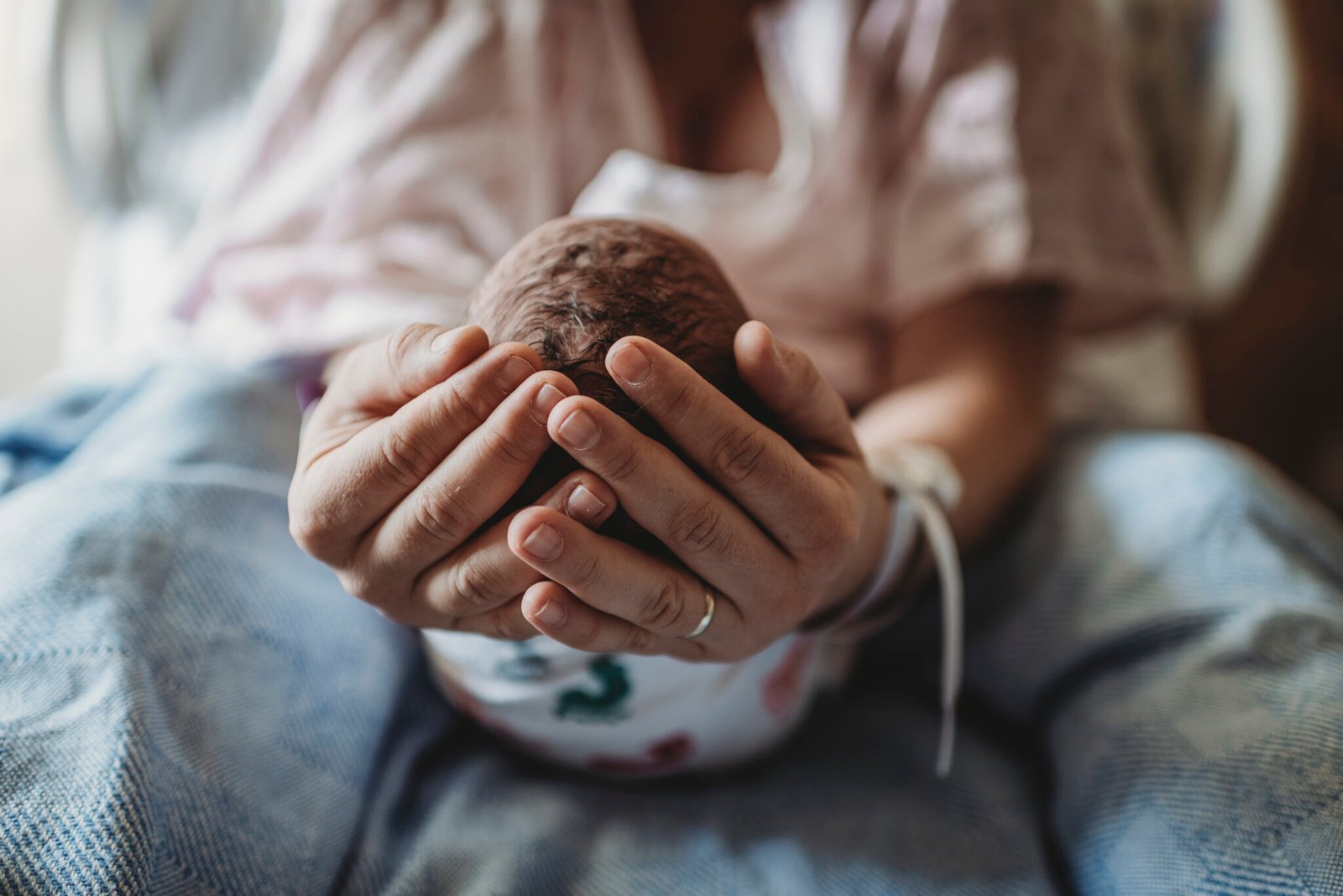
Gov. Mikie Sherrill’s first budget plan includes funding to expand New Jersey’s universal home nurse program for new moms and babies to all 21 counties in early 2027, meeting a goal set by her predecessor’s administration.
The $60.7 billion proposal Sherrill unveiled last week includes $12.8 million for Family Connects NJ, which pays for specially trained nurses to visit families at home within two weeks of a baby’s birth or the adoption of a newborn. The program is also available to families who experience stillbirth or infant death.
“I know parenting is hard. Parenting right now is even harder. That’s why this budget invests in our children from the moment they’re born,” Sherrill, a Democrat, told lawmakers last week when she announced her budget plan.
NJ lawmakers urged to shine light on nursing home ownership
Sherrill’s proposal now goes to state lawmakers, who have until July 1 to draft and adopt a detailed budget for the next fiscal year.
Former Gov. Phil Murphy, who left office in January after two terms, included at least $50 million over the course of several budget years for Family Connects NJ, which first launched in 2024 in four counties and has continued to expand each year. The work is also supported by the Burke Foundation, a New Jersey-based philanthropy focused on healthy families, which recently produced a video to help promote the program.
The new state funding, if approved by lawmakers, would allow the state Department of Children and Families, which oversees the program, to add services in the remaining counties – Hunterdon, Morris, Union, and Warren – starting in January 2027, according to the Family Connects website. The Family Connects model is used in more than 60 communities nationwide, but New Jersey is just the second state, after Oregon, seeking to build a statewide program.
So far, state officials said trained nurses have visited more than 10,000 families to weigh and check on their babies, assess the health of the mother, and connect them to additional services as needed. State data shows that in 2025 alone, more than half the families were linked to resources like rent assistance, food pantries, mental health services, or lactation support, and 1 in 6 required emergency care for mom or baby.
“Navigating life with a newborn can raise all kinds of questions, but through Family Connects NJ, every family with a newborn, regardless of income eligibility or insurance coverage, can get a free visit from a specially trained, registered nurse, all from the comfort of their own home,” Christine Norbut Beyer, the department’s commissioner, told the New Jersey Monitor by email.
New Jersey mothers are more likely to die when pregnant, during childbirth, or after delivering a baby than women nationwide on average, or those in New York or Pennsylvania, according to federal data. Maternal mortality here is more than seven times higher for Black women – and 3.5 times higher for Hispanic women – than for white women, based on the most recent state analysis.
Studies show many of these deaths occur in the postpartum period, the weeks after delivery, when moms are focused on caring for their newborns and may overlook issues with their own health.
Under Murphy, the state launched the Nurture NJ campaign to reduce these gaps and took steps to improve outcomes like increasing reimbursement rates for maternal health providers, expanding insurance coverage for pregnant women, and training and deploying culturally competent doulas, or non-clinical birth coaches, to assist new moms. It was a chief initiative of Murphy’s wife, Tammy.
The Murphy administration also created the Maternal and Infant Health Innovation Authority in 2023 to oversee this portfolio of work and began work last summer on a $87 million headquarters for the agency next to an existing health clinic in Trenton. Sherrill also pledged to continue funding for the authority’s work, which includes working with the Capital Health hospital system to open a maternal health practice on-site.
Lisa Asare, the authority’s president and CEO, said the fact that Family Connects is available to everyone, regardless of income, insurance, or immigration status, has “changed the game” of support services in New Jersey. Previously, home visit programs for new moms were focused on struggling families that were already getting state aid or public support services.
“Family Connects NJ helps to reduce stigma because families don’t have to qualify. They don’t have to explain why they need the service. It becomes part of the fabric of how we provide care in New Jersey,” Asare said in a statement.
Atiya Weiss, Burke’s executive director, agreed that a universally available program helps reduce the stigma around government support services, while helping to improve maternal health and strengthen parents’ confidence. There is also a financial incentive to the Family Connects model, which can save more than $3 for every $1 invested, Weiss said in the statement.
GET THE MORNING HEADLINES.



