
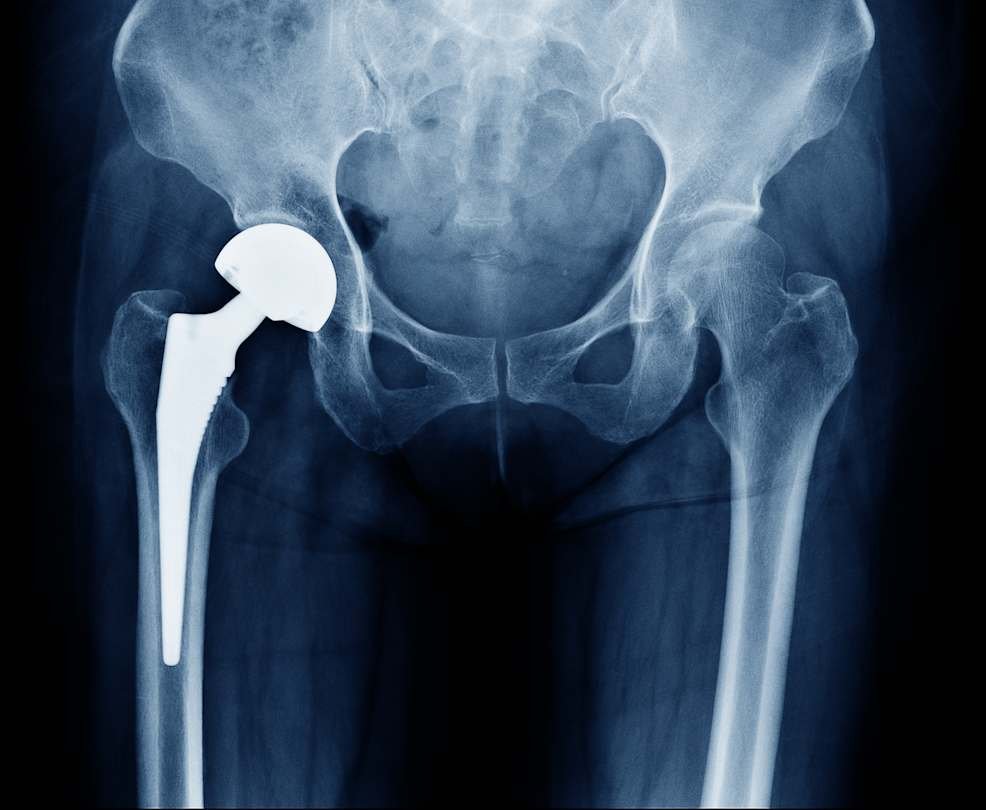
Doctors usually recommend hip replacement surgery only after nonsurgical treatments have not provided enough relief from the pain.
“Oftentimes, osteoarthritis is involved so we’d want to make sure the patient is on anti-inflammatories to address that, in addition to trying physical therapy, and potentially steroid injections into the hip joint,” Dr. Mansour says.
If those treatments no longer help, surgery may be considered—especially when pain and loss of function begin to affect daily life. “If the patient has done all of these things and is still feeling pain on a daily basis, especially at night with disturbed sleep, and if they have lost function that is affecting their daily activities, then surgery may be the best step,” he says.
Pain and function tend to go hand in hand.
“That’s because a painful hip will affect its function, and if your movement is limited, that can lead to more pain,” Dr. Mansour says.
By “function,” he explains, doctors are looking at your ability to engage in basic daily activities, such as walking through a grocery store, doing household chores, getting in and out of a car, and sleeping comfortably through the night.
“We’re not talking about someone who used to run 10 miles a day and now can only run seven,” he says. “We’re talking about difficulty with everyday activities. Total hip replacement can also be offered to more active and higher demand patients, however, expectations after must be reasonable.”



