
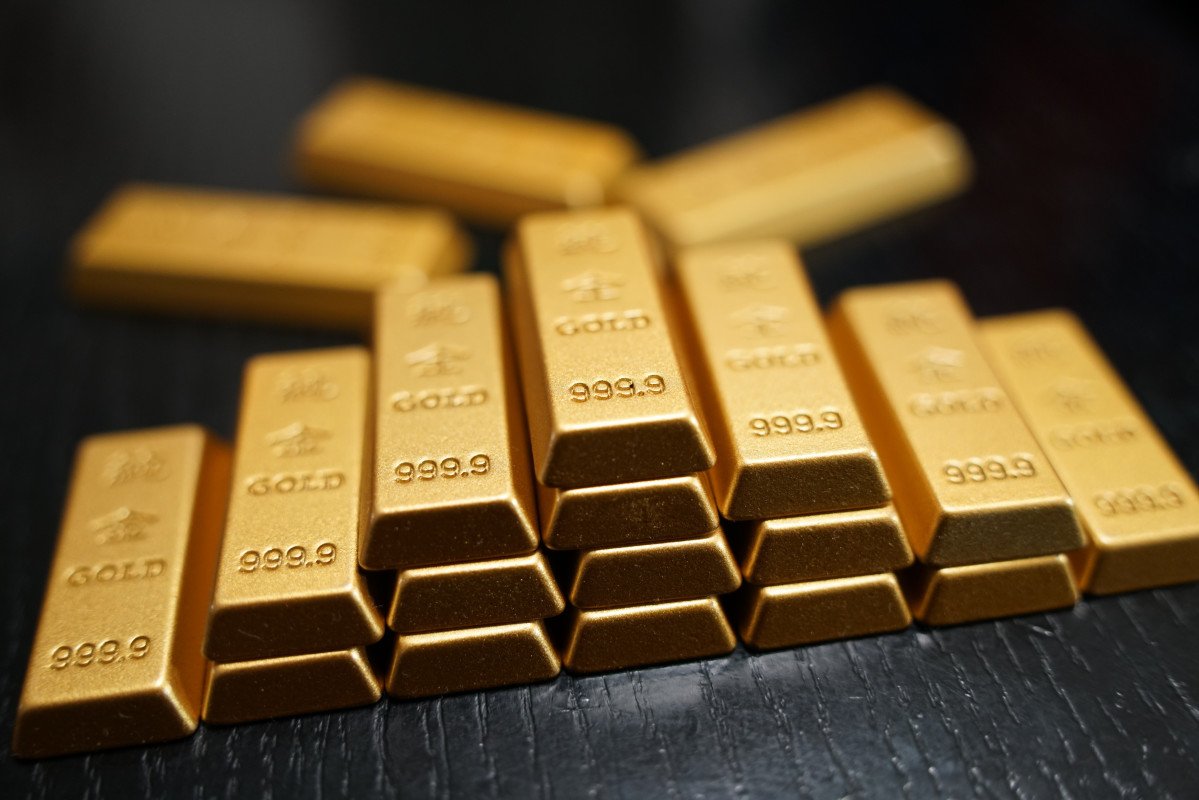
Tether’s gold reserve has reached sovereign-scale levels, putting fresh focus on its balance sheet.
Years of scrutiny over transparency and reserve quality continue to shadow the stablecoin giant.
The company is now making its strongest move yet to address those concerns with a long-awaited full audit.
Regulators and institutions have spent years debating how much transparency is enough in crypto’s most systemically important firms.
As stablecoins have grown into core market infrastructure, the question has shifted from whether reserves exist to how they are verified.
For the industry’s largest issuer, that distinction has carried outsized weight.
Stablecoins are cryptocurrencies designed to keep a steady value by being backed by assets like the US dollar or gold.
Now, after years of scrutiny, one of crypto’s biggest players is moving to address that gap directly.
Related: Gold giant becomes major buyer of U.S. debt
Tether, the issuer of the USDT stablecoin, has quietly become one of the largest non-sovereign gold buyers in the world, a shift that is forcing markets to take its reserve strategy more seriously.
Reuters reported that the firm added 27 metric tons of gold in the fourth quarter of 2025 alone, underscoring the pace of accumulation.
At the time, Tether’s latest public reserve disclosure showed gold holdings worth $12.9 billion as of the end of September 2025, roughly equivalent to about 104 tons at then-market prices.
That positioning has pushed the company into territory typically occupied by nation states.
CEO Paolo Ardoino acknowledged as much, saying the firm is:
“Operating at a scale that now places the Tether Gold Investment Fund alongside sovereign gold holders.”
Separate estimates suggest the company’s total exposure may be even larger, with analysts placing its holdings among the top global bullion owners, rivaling mid-sized countries.
Despite its scale, Tether has long faced persistent questions about the transparency of its reserves.
The company has historically relied on quarterly attestations rather than a full independent audit, a gap that has drawn criticism from regulators, analysts and competitors alike.
Industry scrutiny intensified alongside broader developments, including the IPO of rival Circle, which was widely seen as setting a higher bar for disclosure and regulatory alignment.
In March 2025, Ardoino described a full audit as a “top priority,” while acknowledging it had yet to be completed. Ratings agencies have also flagged concerns.
Source: finance.yahoo.com



