
(Image credit: Getty Images)
My husband and I took the plunge last year and bought a house. After more than a dozen years of apartment living in New York City, I was excited by the prospect of having my own four walls and actually getting to control a thermostat.
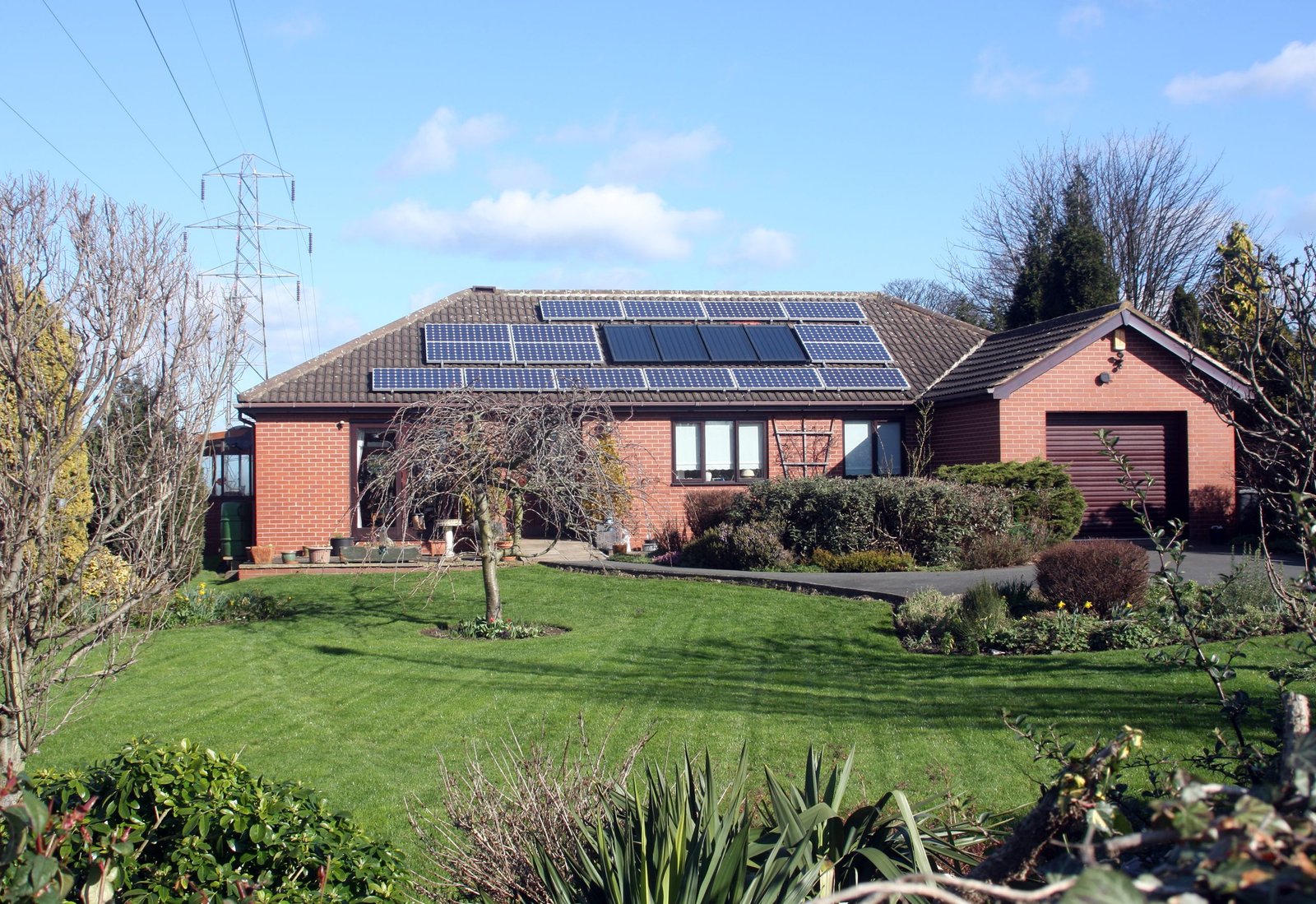
But I’d heard enough about energy costs to factor a home’s energy systems into the equation while house hunting, and my husband and I are reasonably environmentally conscious, so while we weren’t actively looking for a house with solar panels, we considered it a plus that the house we liked had them.
We closed on the house at the start of summer — and immediately came to adore the solar panels as temperatures soared. Here’s what I’ve learned so far about buying a house with solar panels on it.
Article continues below
Sign up for Kiplinger’s Free Newsletters
Profit and prosper with the best of expert advice on investing, taxes, retirement, personal finance and more – straight to your e-mail.
Profit and prosper with the best of expert advice – straight to your e-mail.
1. Step 1 is to ask if they’re owned or leased
The Department of Energy has a useful guide of what questions to ask if you’re buying a house with solar panels. While you’re in the house-hunting phase, it’s key to ask if the solar panels are leased or owned outright by the sellers.
Typically, if they’re leased, that means that either you’ll assume the lease — and have one more bill to look out for — or the seller may agree to pay off the balance with the sale. If you are going to assume the lease, that means more steps to transfer it, typically working with the solar finance company or lease provider. Your mortgage lender may need to review or approve the terms, since it’s a long-term financial obligation tied to the home.
In my case, the solar panels were owned outright, which meant they were likely factored into the overall listing price for the house and became mine when I bought it. To me, that was a benefit as the house was within our budget, and I didn’t have to do any of the legwork involved with installing or leasing solar panels. A home with solar, on average, across the U.S. sold for 6.9% more than those without, according to a 2025 analysis of Zillow data by SolarReviews, meaning an additional $29,000 for a median-valued home.
After we closed, the seller got us in touch with her contact at the solar company, so we had a contact ready when anything comes up.
2. You need to check the roof’s history
(Image credit: Getty Images)
Your solar panels are only as secure as what they’re sitting on. While house hunting, you should ask when the solar panels were installed — and when the roof was last repaired or replaced.
Your state may require the seller to disclose how old the roof is and if it has a transferable warranty. That will help you know if you’re accidentally signing up for a big repair in your near future or not.
You should also ask for documentation on the solar system itself, including the installation certificate, warranty details and the original installer’s information. Having these on hand can make it easier to address repairs or service issues later.
That paperwork matters. Roof warranties and solar panel warranties often have specific terms, and you may need proof of installation or transfer to keep them valid. Without it, you could end up paying out of pocket for repairs you assumed were covered.
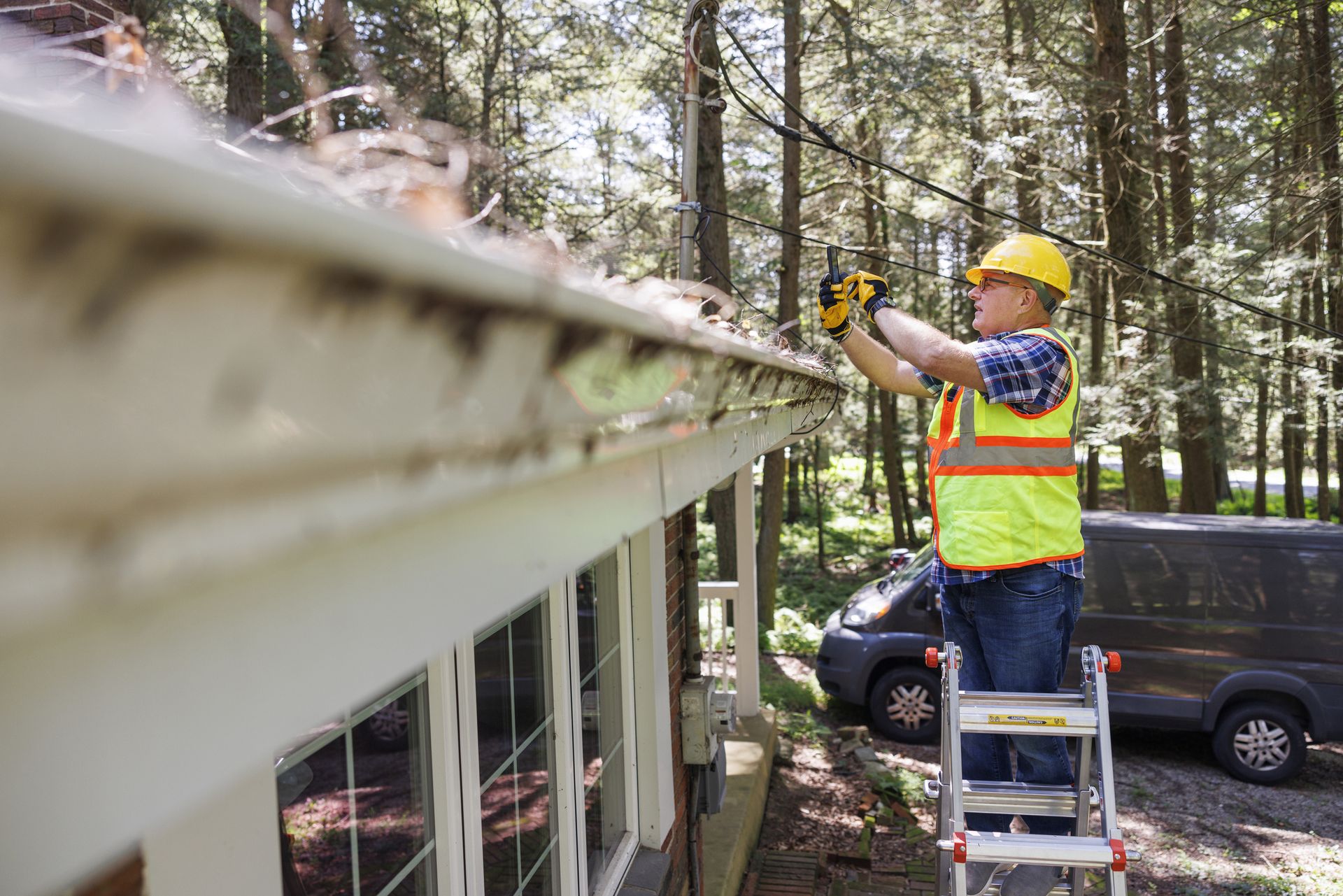
Beyond that, after you buy the house, you should keep an eye on the state of the roof and make sure your gutters are properly maintained. This is true in any house, but when you’ve got expensive technology resting on your roof, this is extra important.
3. Enjoy your energy bills

(Image credit: Getty Images)
The AC in our house is powered by the solar panels, and when we got our first ConEd bill over the summer, we were delighted to see it was about $20, which is the official base cost to be maintained on the grid.
Like many households with solar, we’re still connected to the grid. It works like this: The solar panels generate electricity that the home uses first. If we need more power than the panels produce, the house then draws from the grid. If we use less power than the panels produce, we earn credits with the utility company that can be applied in future months.
So far, our electric bill has remained about $20 each month, with the exception of February, when we kicked into the grid and were charged. But by the next month, as the snow cleared, it was back down to $20. While I know we paid more for the house because it has solar panels, these electricity bills make me feel good about that, especially since energy costs rise over time, while I paid a set amount for the house.
4. Consider changes to make more use of your panels

(Image credit: Getty Images)
The major appliances in our house, like the stove, were already electric, but if they weren’t, I’d consider if it would be worth the cost to replace them. I’ll admit that moving from a gas stove in my last apartment to an electric stove here took some adjusting, but you can get the hang of it.
A bigger decision for us is around our heating system. Our house’s sellers had recently installed a new AC system, but left the heating to oil-powered baseboards. The baseboards work great, but I can’t lie: After months of $20 electric bills, getting that first oil refill bill was a tough pill to swallow, and I cringed throughout the winter. That got much worse this month as the war in the Middle East kicked oil prices even higher.
We’ve been looking into the option of switching our heating to a heat pump so everything is electric, but it’s a bit of a gamble with a high upfront sticker price. We don’t know for sure if our solar panels would generate enough power to cover the heat pump through winter, or if we’d just end up stuck with a high electric bill instead of a high oil bill, and installing a heat pump comes with a host of specifics to figure out.
One workaround people do is to install a heat pump, but keep the baseboard heaters and oil as a backup for very cold winter days. In that case, though, we’d soon have to replace our boiler anyway, so would it be worth the cost to replace the boiler and also install a heat pump? These are the kind of unknowns that come up, and it’s a decision we’re still working out.
5. Do you need more add-ons?
(Image credit: Getty Images)
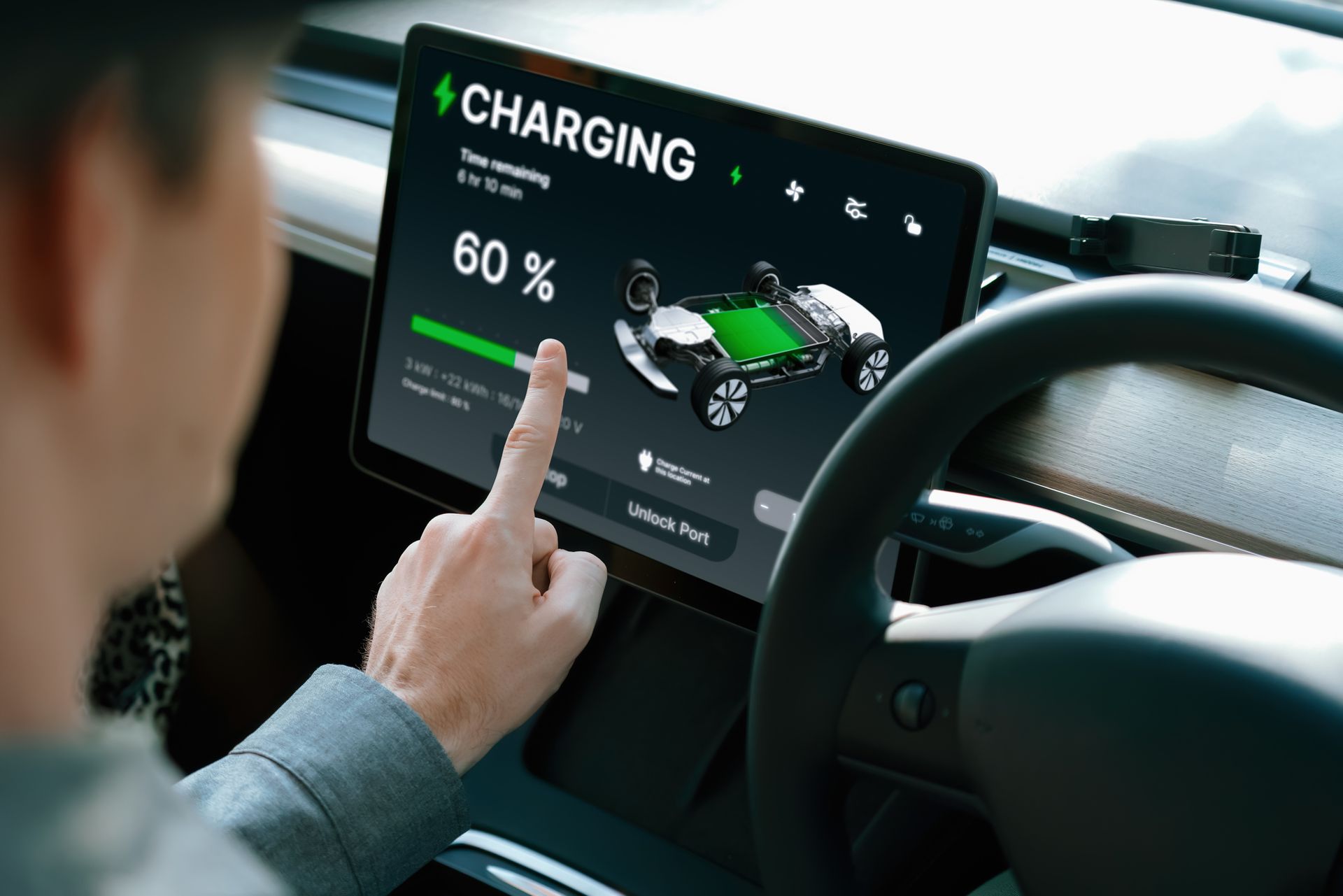
A decision that was easier for us was around getting an electric vehicle. As used EVs are becoming less expensive and gas prices are rising, many people are considering if it’s worth making the trade. If you have solar panels that already generate decent energy, this can be a fairly straightforward decision.
In order to power your EV, you need a charger. There are many different options for how you go about installing a charger, including whether you choose to upgrade your breaker panel and what kind of charger to get. You should consult with an electrician (or two or three) about this. While the EV tax credit expired last fall, there is a federal EV charger tax credit that accounts for 30% of hardware and installation costs, up to $1,000. It expires June 30, so we’re acting fast to get this done.
If you’re shopping now, these three top-rated home EV chargers on Amazon are worth a closer look.

Image credit: www.amazon.com
EMPORIA Pro Level 2 EV Charger
• Load balancing capability included
• Advanced tracking app
• Slim design with flexible cable
See at Amazon

Image credit: www.amazon.com
Grizzl-E Duo Level 2 Plug-in EV Charger
● Charges two EVs at once
● Seamless power sharing between vehicles
● Durable aluminum enclosure
See at Amazon
But let’s say you want to get an EV, but you don’t think you produce enough electricity for it. In that case, you might wonder if it’s worth it to add more panels, if your home has the room for them. You should discuss this with your solar company.
Keep in mind, though, that adding solar panels to an existing system is not as simple as it sounds. It often involves going through the full permit process and comes with a high cost.
One other add-on to consider is a battery. The Department of Energy suggests you find out if the system has a battery when you buy the house; like a generator, “this setup can help you keep the lights on if the power goes out,” the department says. “If the system has a battery, find out how old it is, who installed it, and whether it is under warranty.”
If it doesn’t, you may consider whether it’s worth adding on. This is a pertinent decision if you live in a place with frequent power outages, like one prone to storms with above-ground power lines. But again, adding a battery comes with high upfront costs, so you should be honest with yourself about how much the peace of mind is worth to you.
Take your time, observe and react appropriately

(Image credit: Getty Images)
Every time I’ve asked about switching to a heat pump or adding a battery, I get the same response: Wait a year and see what happens. You won’t know everything about your solar panels and what they get you at the moment you buy a house, but over time, you’ll be able to see how it goes.
Solar panels’ effectiveness is determined by many factors, from how hot it gets in the summer, to how many people live in the house and how they use appliances, to how snowy a winter is. Even the sellers’ experience with the same house won’t necessarily mimic how your experience will be.
Many people took advantage of federal and state tax credits to install solar panels. While those federal credits are now expired, the solar panels are still there, so more people are facing the idea of buying a home that comes with solar panels. There are certainly many factors involved, but so far I’ve found it a valuable decision.
I’m still learning, so if you have any tips, feel free to reach out.



