
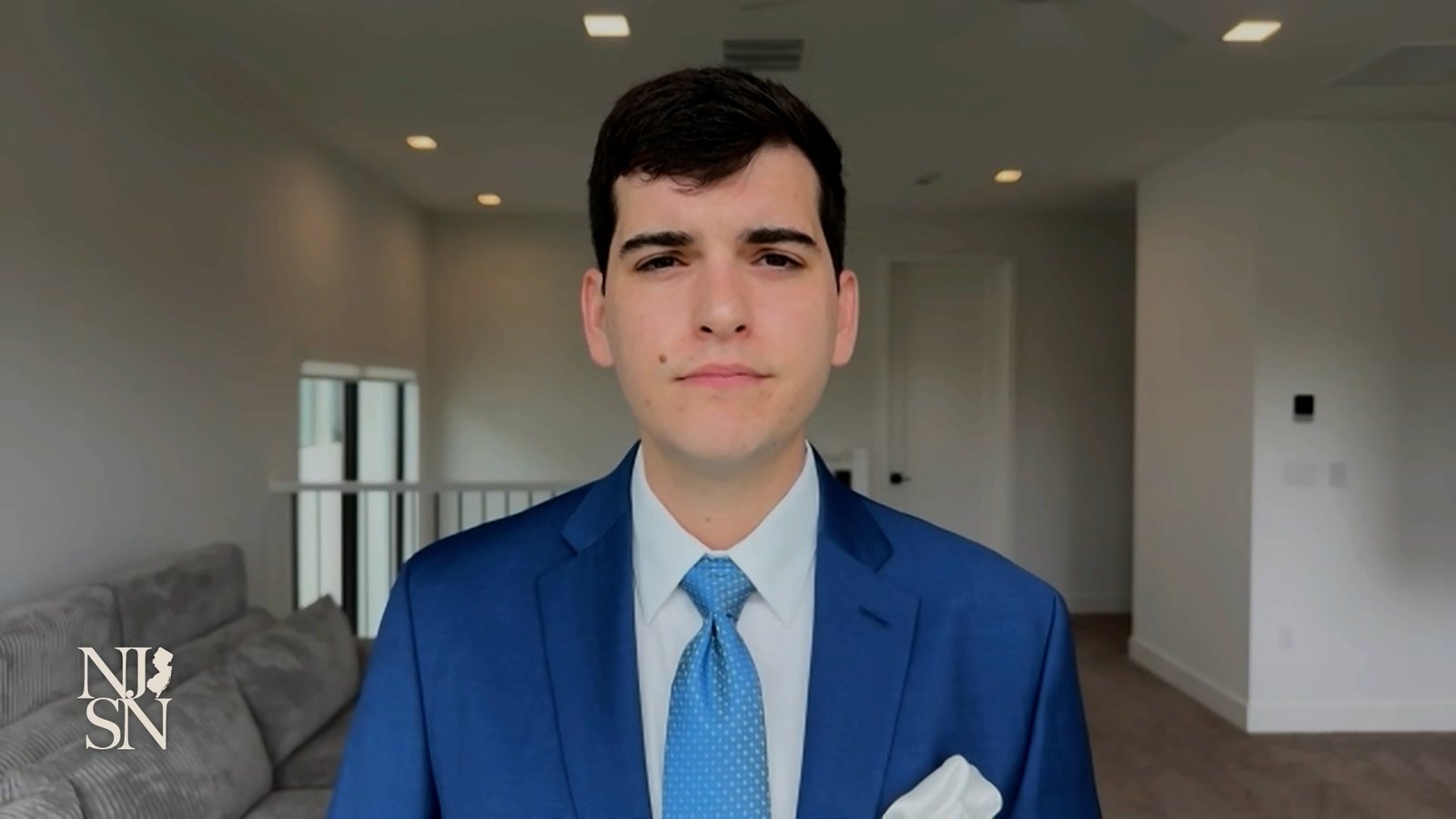
South Jersey local news site Shore Investigates covers Cherry Hill, from police to community issues to education. Recently, the Cherry Hill Public School District sued the journalist behind the site, Ben Shore, for filing too many Open Public Records Act requests.
Shore has a “long, demonstrable history of filing numerous, cumbersome, vexatious and at times invalid open requests with the board,” according to the district.
NJ Spotlight News spoke with Shore about his actions and the lawsuit. This interview has been lightly edited.
Joanna Gagis, anchor: Help us understand the kind of reporting that you do and why you filed several OPRA requests with the Cherry Hill School District.
Ben Shore: The district is suing me because my newsroom filed a total of 14 requests in 13 months, so we can analyze the district’s compliance and look at how the district is doing public records, as well as also seeing who is bidding with our government. We can kind of get a little bit of an inside look, whether it’s local organizations that are working with our school district or whether it is people from out of state, to just try to really analyze it. We take that information and we publish it.
JG: You’re looking at contracts that the school district has entered.
BS: Yes. We look for things like contracts and public records requests that will help us see that type of information.
JG: The school district claims that these OPRA requests are duplicative, onerous and meant to harass the board. They also say that your website has created confusion because you’ve allowed a space where residents can go on and easily file OPRA requests. They say it creates confusion because they have a space on their own site where that can happen. Explain how you set up your website and your response to their claim.
“I have a great relationship with Patti at Cherry Hill Township. She does a fantastic job, reaches out for clarification as needed. We’re able to talk things through to really get those records. Completely different story with the Cherry Hill district. The school district has no interest in talking things through.”
BS: In regards to the claim of duplicative requests, let’s get something clear. If you have a budget in July, it is not going to be the same budget in June. So if you file a request for a budget in June and then you file it for the July budget, they now are claiming that that is too much information, that it’s duplicative.
If they do believe there is a request that is duplicative, they can simply deny it. But let’s not forget, these are public records that belong to the people. And we should see what the government’s doing. Regarding the Cherry Hill OPRA portal that I created to help residents and community members get informed about the Public Records Act and also request information from Cherry Hill Public Schools –I created that website for free. I generate no money out of it. Whether they want to know about special education spending or find out situations within the school, I make that easy and very possible with just a minute, often under a minute, and it gets sent to the school and the school fulfills it.
Just like the school for years has been fulfilling request through the New Jersey OPRA Machine and there’s never been a problem with it. And now they kind of take issue with it. If you would like to do the district request, you can. It takes significantly more time to do it on their site. I’ve streamlined the process.

JG: You filed a similar amount of OPRA requests and perhaps more even with the township itself in Cherry Hill. How have they handled it differently than the board?
BS: I have a great relationship with Patti at Cherry Hill Township. She does a fantastic job, reaches out for clarification as needed. We’re able to talk things through to really get those records. Completely different story with the Cherry Hill district. The school district has no interest in talking things through. Instead, they’ll either deny it, they’ll delay it or they’ll hit you with a technicality. I’ve even gone as long as six months just to get a reply to a public records request. No other agency has done that to me.
JG: There’s a lawsuit. Do you believe that this is what’s known as a SLAPP lawsuit, a Strategic Lawsuit Against Public Participation. For a little history here, when New Jersey lawmakers passed changes to the OPRA law — limited access and limited how OPRA requests would be handled — they said that that was OK because New Jersey has a very strong anti-SLAPP law in place. Do you believe that this lawsuit that you’re now faced with is a SLAPP lawsuit?
BS: Oh, absolutely. It’s a strategic lawsuit that they filed against me to prevent my participation in government, to prevent my website that I use to help inform people — to tell people about the records they can request. They don’t want people to be able to submit public records with them or for me to make the process easier. They’re basically trying to prevent public engagement.
I’m very confident in New Jersey, strong anti-SLAPP suits and in the representation of attorney CJ Griffin that we will prevail in this matter. I am just very hopeful that New Jersey’s strong anti-SLAPP laws will work because my brother filed one single request and he’s getting sued, too. One request is all he filed.
“My brother filed one single request and he’s getting sued, too. One request is all he filed.”
JG: I imagine there’s a cost involved for you in terms of representing yourself in court. And as you’ve said, you’ve hired an attorney. What impact do you believe this has on journalism, especially local journalism?
BS: Our newsroom has not filed a single OPRA request with the school since the incident. We’ve not been able to cover stories that we wanted to cover. There was a recent settlement agreement that came out that I believe the public should see. But we are not willing to make a records request out of fear that we are going to get sued — brought into court because we requested a single public record that belongs to the public.
So the effect is real and it’s impacted our newsroom and if this suit is allowed and continues, then any journalist, any member of the media — even if you make one single request — you may have to come to court and be banned from making a public records request.



