
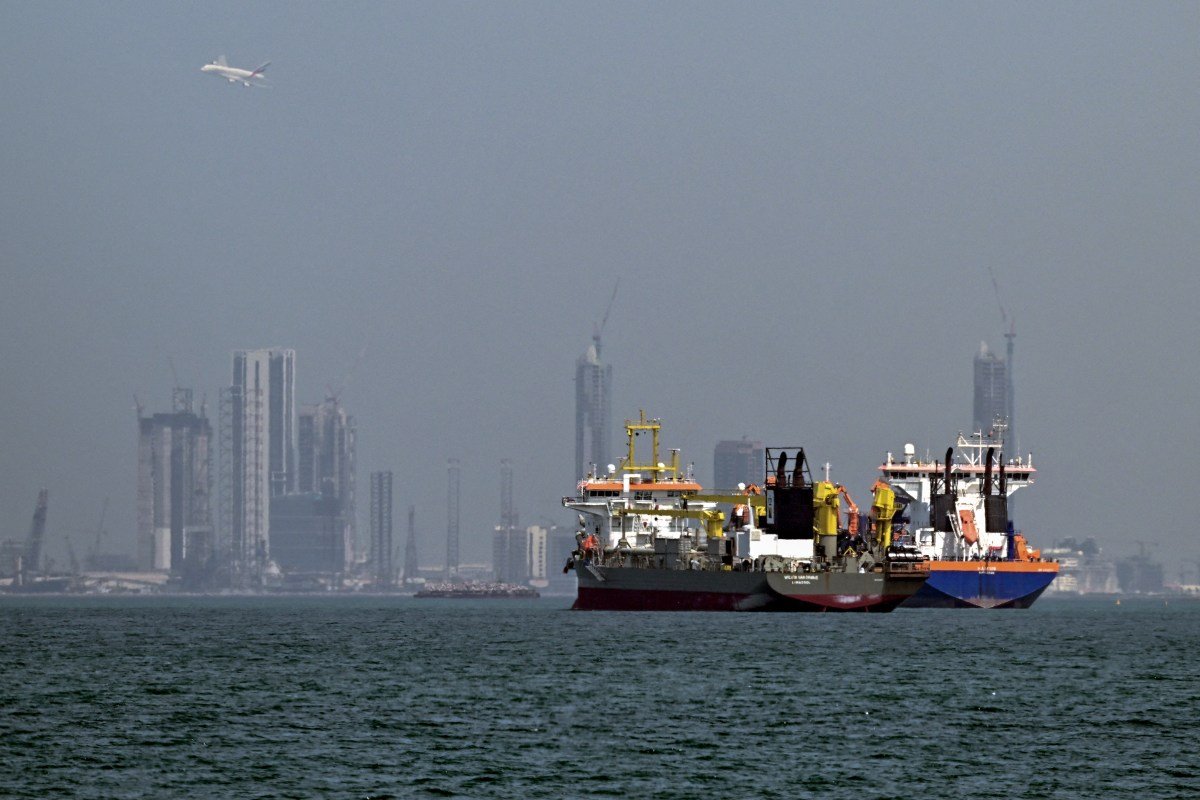
Iran announced on Saturday Iraq is exempt from restrictions on access to the Strait of Hormuz, adding another nation that can transit the chokepoint while the war continues.
This follows several specific exceptions allowed by Iran while the nation continues to generally limit access to those who aided or continue to support the U.S. and Israel after their joint strikes on February 28 that kicked off the conflict and killed Ayatollah Ali Khamenei, along with dozens of high-ranking Iranian officials.
Why It Matters
As the conflict escalated, Iranian officials warned vessels that transit were unsafe, leading shipping companies to halt sailings and pushing global oil and gas prices sharply higher. The waterway became effectively closed to most commercial traffic, with only a handful of vessels moving through under heavy risk and uncertainty.
Attacks on ships, fears of mines, and the withdrawal of insurance coverage left thousands of vessels stranded and forced energy producers and importers to scramble for alternatives.
The disruption rippled far beyond the Gulf, straining global energy markets and prompting emergency measures such as coordinated releases from strategic oil reserves. Even as governments discussed naval escorts and diplomatic efforts to reopen the route, officials warned that restoring normal shipping through Hormuz could take weeks or longer, with lasting consequences for global supply chains.
Which Countries Are Able to Travel Through the Strait of Hormuz?
In letter dated March 22 from Iran and sent to members of the International Maritime Organization clarified that “non-hostile” ships can pass through the strait, meaning any ship that has no ties to the U.S. or Israel can transit the waterway, defined as nations that “neither participate in nor support acts of aggression against Iran.”
U.S. intelligence reports warn that Iran is unlikely to open the strait anytime soon as the rising price of oil and gas that has resulted from the closure appears to be the only real leverage Tehran has over the U.S. and Israel, with potential of prices rising as a means of pressuring the two nations to find an off-ramp to the conflict, Reuters reported.
President Donald Trump on Wednesday tried to soothe concerns about the closure, telling Americans in a national televised address that “the United States imports almost no oil through the Hormuz Strait and won’t be taking any in the future,” stressing, “We don’t need it.”
He encouraged countries that rely on the strait to “take care” of the situation and “grab it and cherish it,” but those nations have largely instead pursued diplomatic resolutions, with Iran slowly allowing more and more nations access over the past few weeks. Japan, France, Germany, Italy, the Netherlands, and the United Kingdom in mid-March issued a joint statement seeking “appropriate efforts to ensure safe passage through the Strait.”
Those nations include:
- China—identified as a “friendly nation” which has sat out the conflict but has in recent years created closer ties to Iran. Chinese-linked oil and cargo ships have been observed transiting the strait following diplomatic coordination, and Beijing has called for de-escalation, according to Al-Jazeera.
- India—Indian‑flagged LPG and crude tankers were explicitly cleared by Iranian authorities, with multiple ships confirmed to have crossed safely after direct diplomatic engagement and India’s neutral posture in the conflict.
- Pakistan—listed by Iranian officials among countries granted safe passage, and at least one Pakistani‑flagged tanker was tracked exiting the Gulf via Hormuz in mid‑March.
- Russia—Iran formally authorized Russian commercial vessels to use the strait, reflecting deepening strategic alignment and Moscow’s support for Tehran amid the war.
- Iraq—Iraqi shipping was included among countries Iran described as “friendly,” with passage allowed under Iranian security rules due to Baghdad’s political alignment and proximity.
- Malaysia—Malaysian oil tankers were granted passage following direct talks between Kuala Lumpur and Tehran, with Iran granting exemptions from transit fees in recognition of diplomatic ties.
- Thailand—Thai‑owned tankers were permitted to pass after diplomatic coordination, despite earlier incidents involving Thai vessels, according to regional and government reporting.
- Sri Lanka—Sri Lanka was publicly thanked by Iranian officials and included among countries whose vessels were allowed through, citing humanitarian and logistical cooperation during the conflict.
- Bangladesh—Bangladesh was named by Iranian officials as having coordinated passage and being treated as a friendly state eligible for limited transit.
Additionally, Turkey has been able to send select ships through, although reports indicated over a dozen vessels were identified as loitering near the strait and awaiting approval as of Saturday. Turkish Transport Minister Abdülkadir Uraloğlu told local news that two of the 15 ships near the strait have now passed through it.
And France and Italy have requested talks with Tehran about allowing their ships to pass through the strait, with the first French-owned (but Maltese-flagged) ship making transit on Friday, although it remains to be seen if France enjoys full access or similarly restricted access like Turkey does.
Japan likewise has started to send ships through the strait, with the first ship transiting on Thursday. There are 45 Japanese-affiliated ships that have idled in the Persian Gulf for weeks, according to The Japan Times. An official told the outlet, however, it is not clear why that ship was allowed to transit at this time.



