
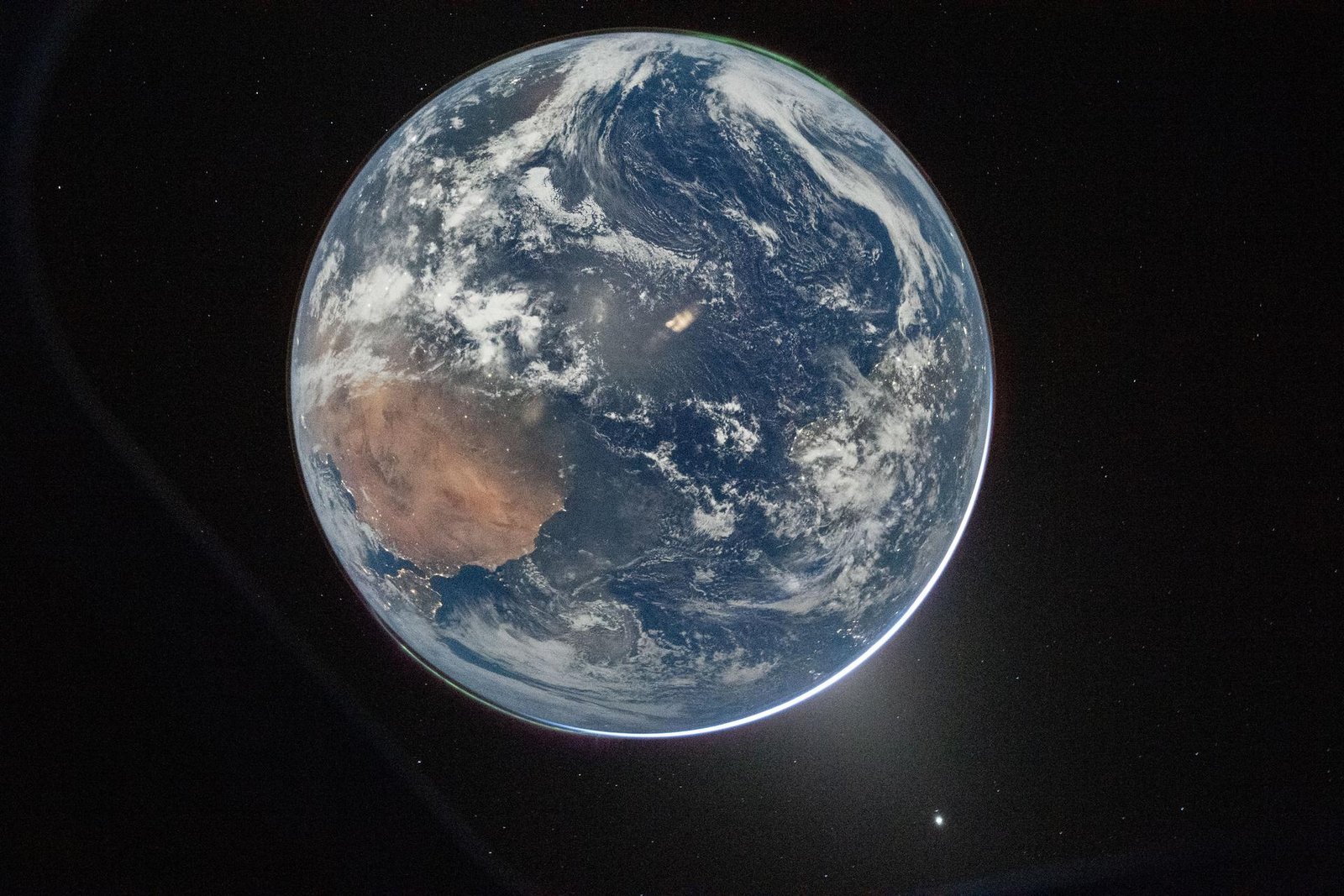
On April 1, 2026, Artemis II launched on a nearly 10-day voyage around the Moon, marking the first crewed flight of NASA’s Orion spacecraft. NASA astronauts Reid Wiseman, Victor Glover, and Christina Koch, along with CSA (Canadian Space Agency) astronaut Jeremy Hansen, splashed down on April 10 in the Pacific Ocean off the coast of San Diego.
At their farthest point, the crew traveled 252,756 miles from Earth, setting a record for the greatest distance humans have traveled in space and observing the lunar surface like never before.
Under Artemis, NASA will send astronauts on increasingly complex missions to explore the Moon for scientific discovery, economic benefit, and to prepare for future human missions to Mars.
Relive exciting mission moments through the videos and images shared below.
To prepare for lunar exploration, the Artemis II crew trained in Iceland’s volcanic terrain.
They practiced navigation and field geology skills in challenging conditions while working as a team. The astronauts collected rock samples using tools like hammers, scoops, and chisels, and provided feedback to instructors to refine future Artemis training sites.
The crew trained extensively in NASA’s Orion Crew Survival System (OCSS), the bright orange spacesuit worn inside the Orion spacecraft during launch and re-entry.
Each suit is custom-fitted and includes systems for air, water, food, and waste management. In emergencies, it can sustain life for up to six days.
The crew practiced suit operations in simulated weightlessness and pressurized environments to confirm performance for deep space travel.
During the mission, the crew reflected on what the Moon means to them personally and professionally, sharing thoughts shaped by years of training and preparation.
Launch of NASA’s Artemis II: Moon Rocket Camera Views
Enjoy launch views from cameras affixed to the SLS (Space Launch System) rocket. These cameras, developed by NASA, are called the Flight Imaging Launch Monitoring Real-time System (FILMRS). They survive some of the harshest environments of the avionics on the vehicle.
Flight Day Highlights
Return to Earth
After splashdown in the Pacific Ocean, NASA and U.S. Navy teams recovered the Orion spacecraft and crew.
Recovery teams secured the capsule, opened the hatch, and assisted the astronauts out. The crew was then flown by helicopter to the Navy recovery ship, while Orion was brought aboard for transport back to shore.
View more photos in the Artemis II Return to Earth image gallery.
Go/No-Go: NASA’s Space Toilet Explained
The Universal Waste Management System, or space toilet, is a critical onboard system.
During the mission, the crew worked through operational issues to maintain performance in microgravity.
Space-to-Space Call: NASA’s Artemis II Astronauts and the International Space Station
A historic first took place during the mission: a direct call between a deep space crew and astronauts aboard the International Space Station.
Artemis II connected with Expedition 74 astronauts Chris Williams, Jack Hathaway, Jessica Meir, and ESA (European Space Agency) astronaut Sophie Adenot, marking the first ship-to-ship communication of its kind.
Artemis II brought the crew to 252,756 miles from Earth at its farthest point and covered a total of 694,481 miles.
The lunar flyby set a new human distance record, surpassing Apollo 13’s 1970 record. The crew observed the Moon from closer range than any humans before them during a crewed mission.
Moon Joy, Courtesy of NASA’s Artemis II Astronauts
With years of training and thousands of experts behind the mission, one unexpected outcome stood out: Moon joy.
It captured the emotional weight of seeing the Moon up close and the significance of returning humans to deep space.
Watch the official NASA broadcast as the Artemis II crew splashes down in the Pacific Ocean.
The Artemis II astronauts returned to Ellington Airport in Houston following their historic mission around the Moon.
Artemis II Crew News Conference
The crew shared reflections on their journey, the challenges of deep space flight, and what comes next for Artemis.
The Artemis II mission marks a major step forward in human exploration.
The mission demonstrated deep space crew operations, tested Orion systems with astronauts aboard, and set the stage for future lunar missions.
We are just getting started.
NASA is preparing for future missions to the Moon’s South Pole.
Work continues on next-generation spacesuits, lunar tools, and rovers at Johnson and its supporting training facilities. Listen as Apollo and Artemis astronauts, as well as subject matter experts, discuss the challenges of exploring the Moon in preparation for Mars
Future Artemis missions will face challenges including harsh lighting conditions, lunar dust, and extreme temperatures as NASA builds toward sustained exploration of the Moon and eventual human missions to Mars.
source: https://www.nasa.gov/centers-and-facilities/johnson/artemis-ii-mission-milestones-an-image-and-video-recap/



