
When you buy a plane ticket for an upcoming trip, you may have concerns about standing in long TSA security lines or facing flight delays — but you usually don’t have to worry about your airline shutting down.
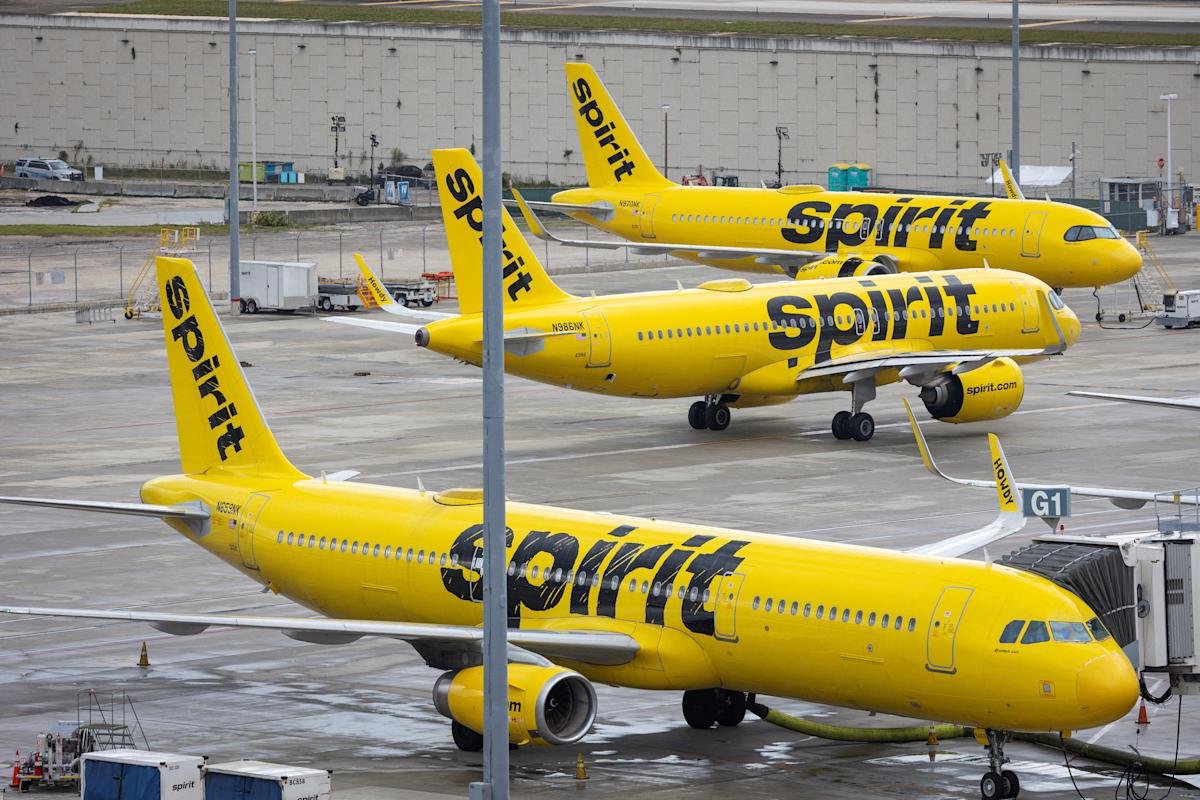
It’s unlikely, but as recently as this month, budget-friendly Spirit Airlines made headlines for approaching liquidation, following ongoing financial issues. With summer travel season approaching, many passengers may be wondering: What actually happens to your ticket if the airline goes under?
Here’s a closer look at what Spirit travelers should know and how anyone can protect their travel spending this summer.
Spirit Airlines, facing ongoing financial hardship, was reportedly close to liquidating this month. Over the past few years, the airline has entered bankruptcy twice and was blocked by a federal judge from a $3.8 billion merger with JetBlue.
Spirit announced earlier this year that it planned to emerge from Chapter 11 bankruptcy by “early summer.” But that was before its financial pressures increased due to rising global fuel prices stemming from the war in the Middle East.
Following the news of Spirit’s potential liquidation, the Trump administration stepped in with a potential deal meant to save the airline. If the deal goes through, the federal government would loan Spirit as much as $500 million in exchange for warrants that could allow the government to have significant ownership in the airline.
The goal of the agreement would be to give Spirit Airlines additional runway as it continues to work to emerge from bankruptcy and become a durable, well-funded airline, a person familiar with the matter told Yahoo Finance.
A Spirit spokesperson declined to comment but did specify that business at Spirit is still operating normally: “Guests can continue to book, travel, and use tickets, credits, and loyalty points as usual.”
There’s plenty of speculation on what the rescue would mean more broadly for the airline industry, but it’s good news for Spirit travelers who already booked and paid for future flights.
That kind of sudden liquidation can significantly upset your travel plans. As recently as 2019, budget airline Wow Air suddenly ceased operations and canceled all flights, leaving passengers stranded and scrambling to find new travel arrangements.
Any dissolution as abrupt as Wow Air’s is unlikely today, but Spirit’s situation is a reminder of the importance of protecting yourself when you spend significant amounts of money booking travel.
That’s especially true now. Even if your airline isn’t at risk of bankruptcy, it may issue more travel disruptions than usual this summer, thanks to the ongoing effects of the war in the Middle East. Rising fuel prices are already increasing airfare, and fuel shortages are leading to flight cancellations from some airlines.
Here are a few ways to protect your travel:
When you book a flight using a card with travel insurance, you’ll get some automatic protections in case of delays and cancellations. You’re most likely to find solid travel insurance benefits from travel credit cards — and typically, the more premium the card, the better coverage you’ll get.
Here are some common coverage examples:
Travel cancellation and interruption insurance: Get reimbursed if your travel is cancelled for certain covered situations, like sickness, injury, or even weather.
Travel delay insurance: Recover unreimbursed expenses for delays lasting over a specific number of hours. This coverage can help you get reimbursed for necessary costs caused by the delay, such as meals and lodging.
Typically, you’ll only get coverage if you pay for your trip using the credit card with insurance. Reimbursement may also only apply to nonrefundable tickets or bookings. In most cases, if your flight is canceled by the airline, you should expect reimbursement directly, without having to go through insurance. If you don’t notify the airline (or other travel provider) directly about a refund, you may not be eligible for reimbursement through the travel insurance.
Make sure you read your card’s specific benefits guide to understand exactly what’s covered and what’s not.
For example, coverage often differs for cancellations caused by an airline (or other travel company) going out of business. While “financial insolvency” is specifically excluded from coverage with some insurers, it’s a covered cancellation under other policies.
Read more: How credit card travel insurance works
You may also want to consider third-party travel insurance, especially when you book a big trip or if you don’t have travel insurance benefits through your credit card.
The cost is usually a percentage of your overall trip price, though it can vary based on additional factors too. Like credit card travel benefits, different policies cover different things. While trip cancellation and interruption insurance is common, coverage may vary for specific reasons, such as the financial insolvency of your airline.
Make sure you read your specific policy or reach out to your insurer directly to find out what’s covered.
Read more: Flight travel insurance: What it covers and when it’s worth it
If an airline cancels your flight because it goes out of business and you don’t have travel insurance, another option is disputing the charge with your credit card company. You may qualify for the chargeback since you never received the services you paid for.
U.S. Department of Transportation guidance suggests: “If an airline or ticket agent that has filed for bankruptcy refuses to refund you for a flight that has been canceled and you used a credit card to purchase your ticket, you may be entitled to a credit from your credit card company under the Fair Credit Billing Act.”
Your credit card issuer may even direct you to do this if your card’s travel insurance doesn’t offer coverage for your travel company’s liquidation.
For example, the Chase Sapphire Reserve®’s trip cancellation and interruption benefit does not cover financial insolvency. But the card’s benefits guide does specify you to “contact Chase Disputes or the number on the back of your Chase credit card if your trip has been canceled due to financial insolvency.”
You should make your claim as quickly as possible. The Department of Transportation says you should give notice to your issuer no later than 60 days after your first monthly statement that listed the airfare charge. However, that deadline may be waived for travel you’ve booked in advance.
You’re not as likely to successfully dispute the charge if you used a debit card to make the purchase, the department says — another reason to use your credit card over your debit card for travel purchases, even if you’re not eligible for travel insurance. Still, always reach out to your bank to ask about your options.



