
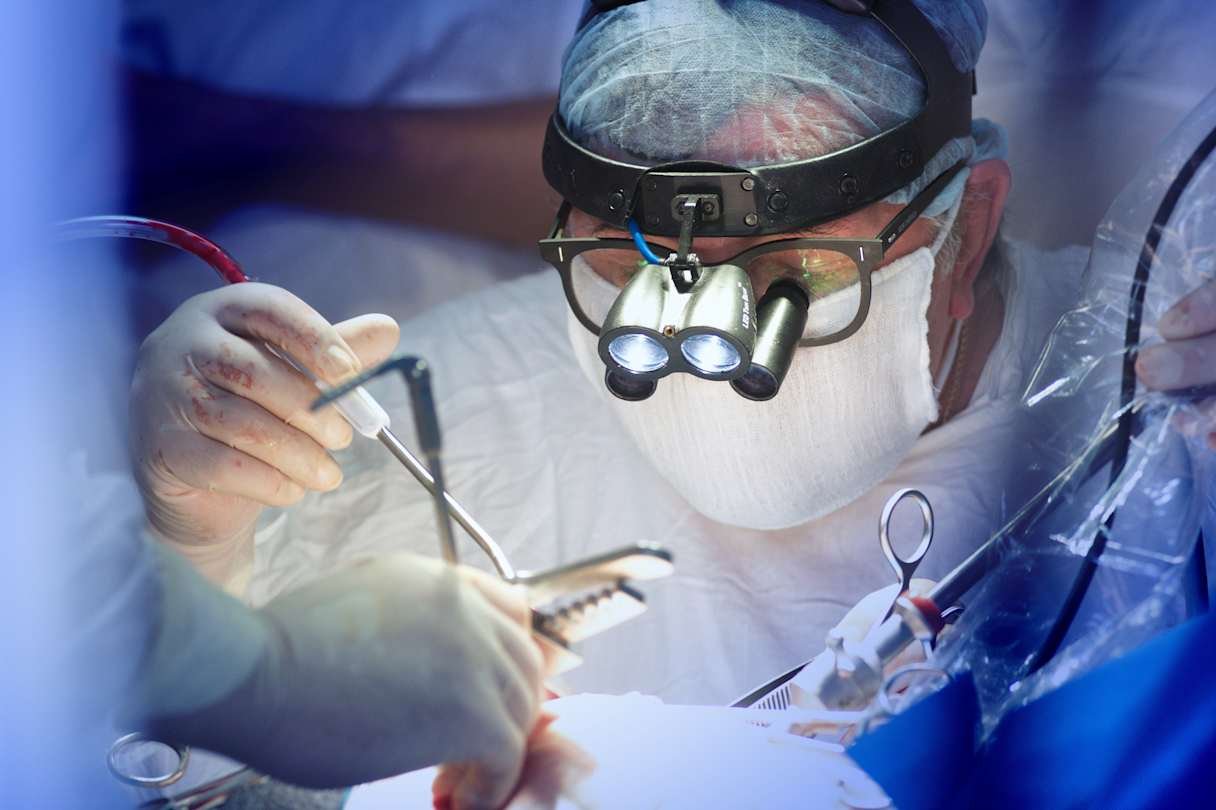
For decades, the race to transplant a donor liver has been measured not in days, but in hours. A surgeon gets the call—often in the middle of the night. A team assembles, and an operation that might otherwise be carefully planned becomes an urgent sprint against the clock.
Now, new technologies are changing that equation, extending how long donor livers can remain viable, giving surgeons more time to assess organ quality, schedule surgery during daytime hours, and reduce the risk of serious complications. The result: more transplants, better outcomes, and shorter hospital stays for patients.
Two machines—normothermic machine perfusion (NMP) and normothermic regional perfusion (NRP), the latter used in donors who have died from circulatory death—work at different stages of the transplant process. Together they address one of the oldest problems in organ transplantation: keeping a liver alive long enough to give it the best possible chance of success.
“These advances make liver transplant safer, reduce hospital stays, and lead to better outcomes overall,” says Hiroshi Sogawa, MD, MBA, surgical director of the Liver Transplant Program. “When these technologies became available, I had no doubt this was going to become standard of care. I believe the majority of academic medical centers use NMP now.”



