
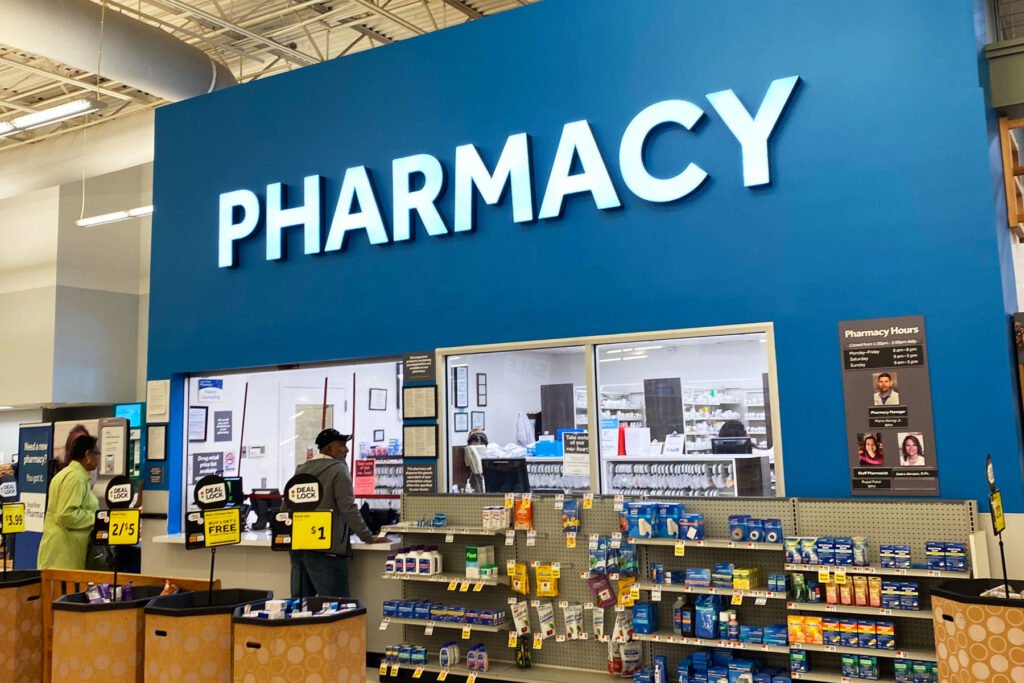
The Assembly approved a bill to limit the power of pharmacy benefit managers, middlemen that critics say push drug prices higher. (Photo by New Jersey Monitor)
The state Assembly approved a measure Monday that would add New Jersey to a growing list of states seeking to curb the power of prescription drug intermediaries in hopes of making medications more affordable.
In a 59-18 vote largely along party lines, the Assembly passed the Democratic-sponsored bill to rein in pharmacy benefit managers, or PBMs, a measure supporters say would level the playing field for community pharmacies and give patients more choice in where they get their drugs.
“This is legislation that is long overdue, broadly supported, and frankly, common sense,” Assemblyman Roy Freiman (D-Somerset), a chief sponsor, told colleagues before Monday’s vote.
US Supreme Court rules telehealth abortion can resume while lawsuit continues
Pharmacy benefit managers contract with both drug makers and health insurance carriers, giving them significant leverage over where patients get their medications and what they pay. Many also operate pharmacies, like the mail-order businesses run by CVS Caremark and Optum RX, which give them additional price control.
Freiman’s bill, among other things, would standardize drug costs based on a national index, equalize payments so pharmacy benefit managers can’t negotiate better reimbursements for pharmacies they own, and prohibit PBMs from steering patients toward certain pharmacy services.
Freiman called pharmacy benefit managers’ current role in the drug supply chain system “a monopoly with a lab coat on it.”
“That’s not competition. That’s a rigged game,” he said.
Benefit managers’ trade group, the Pharmaceutical Care Management Association, criticized the vote as one that would “make prescription drugs far more expensive.” The bill would set a standard pharmacy fee of $10.92 for each prescription filled, a level critics called significantly higher than under the current system.
“Among other policies that are a gift to Big Pharma, the bill would add $10.92 to every prescription filled in the state. That means higher costs for families, union workers, employers, and seniors already struggling under rising health care costs,” said the group’s spokesman, Greg Lopes. “For a bill called the ‘Patient and Provider Protection Act,’ it does remarkably little to protect patients paying at the pharmacy counter.”
The bill, which still needs approval in the state Senate before it can be sent to Gov. Mikie Sherrill for her signature or veto, also calls for pharmacy benefit managers to have a duty to act in the best interest of the insurance carriers they contract with, instead of automatically benefiting the company’s shareholders. This includes contracts with public benefit plans and Medicaid, both of which are largely supported by taxpayers.
“New Jersey is joining the chorus of states that is saying, if you work for us, you actually work for us,” Freiman said, noting that Maine and Vermont have already enacted similar laws.
Nationwide, dozens of states have proposed or adopted measures designed to increase transparency or further regulate pharmacy benefit managers in some form, according to the National Conference of State Legislatures. The federal government also adopted a law requiring states to register and license them.
The New Jersey measure was supported by pharmacies, drug makers, and patient groups in hearings earlier this month. Opponents include pharmacy benefit managers themselves and health insurance companies.
An analysis by the state’s non-partisan Office of Legislative Services said the bill would have an indeterminate impact on state finances. Freiman said that doesn’t mean savings will not happen, it means “they’re hard to model in advance.”
GET THE MORNING HEADLINES.



