
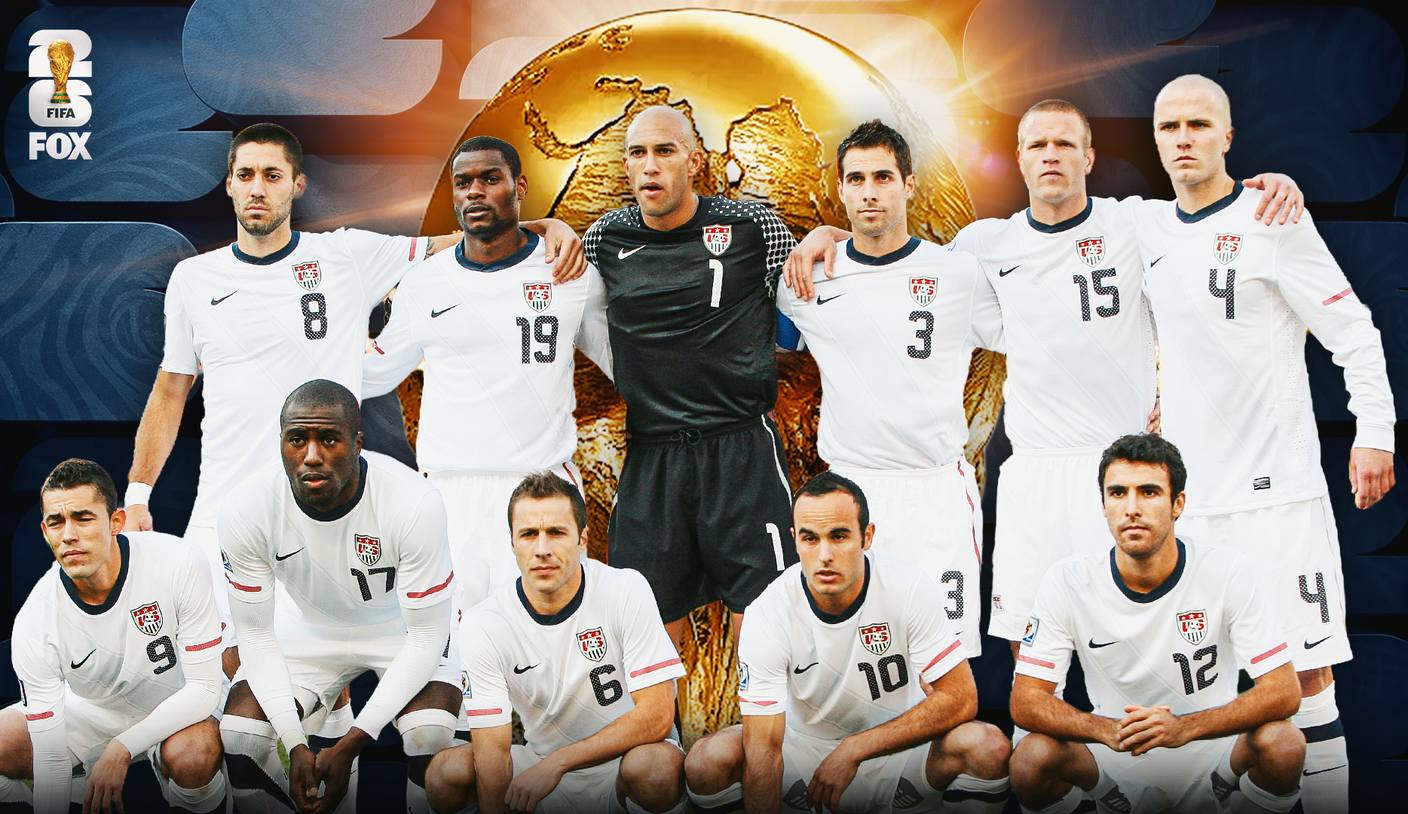
In One Mo Thing with Maurice Edu, the former United States national team midfielder brings you inside the mind of a player at the World Cup.
The nerviest day of my sporting life was May 26, 2010. That’s the day I found out I was going to be on the United States’ roster for the 2010 World Cup in South Africa.
It was the culmination of a lifelong journey, as well as a massive comeback. I had moved to Rangers Football Club in the Scottish Premier League, suffered a huge knee injury and came back to claim my spot on Bob Bradley’s 23-man roster.
The process this year for the United States team was a little different than what it was for the 2010 World Cup. My final game with Rangers that year was on May 9. Then, 30 players were called into a training camp in Tampa ahead of a friendly against Czechia (then known as the Czech Republic). The day after that match, seven players were cut to get down to the roster of 23 players.
This year, rosters were set before the final day of the club season.
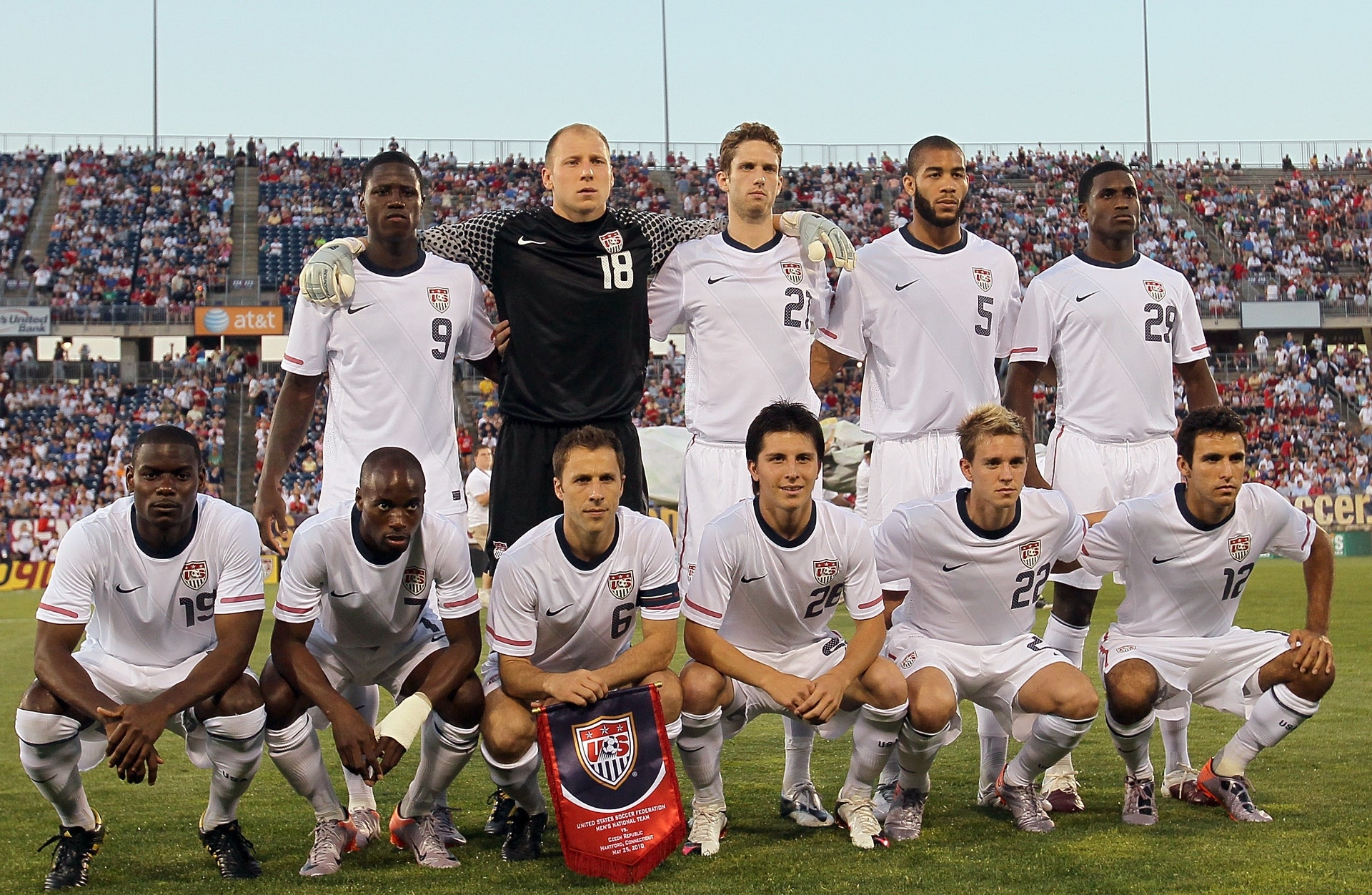
Maurice Edu (bottom left) in the starting lineup for the United States against the Czech Republic (now known as Czechia) on May 25, 2026. (Getty Images)
Here’s the story of how I made the World Cup roster and how I found out.
The Journey
I broke into the national team setup in late 2007, making three appearances in World Cup qualifiers. The following August, I moved to Rangers.
Then, at the end of my first season in Glasgow in May 2009, I suffered a knee injury that saw me miss about seven months. That meant I wasn’t involved in that summer’s Confederations Cup, which featured winners from all six continental championships, the reigning World Cup champion and the host nation. The tournament was in South Africa since it was scheduled to host the 2010 World Cup.
Famously, the United States beat the reigning European champions Spain in the semifinals in Bloemfontein. The team also had a 2-0 lead over Brazil in the final before three straight goals won the Brazilians the tournament.
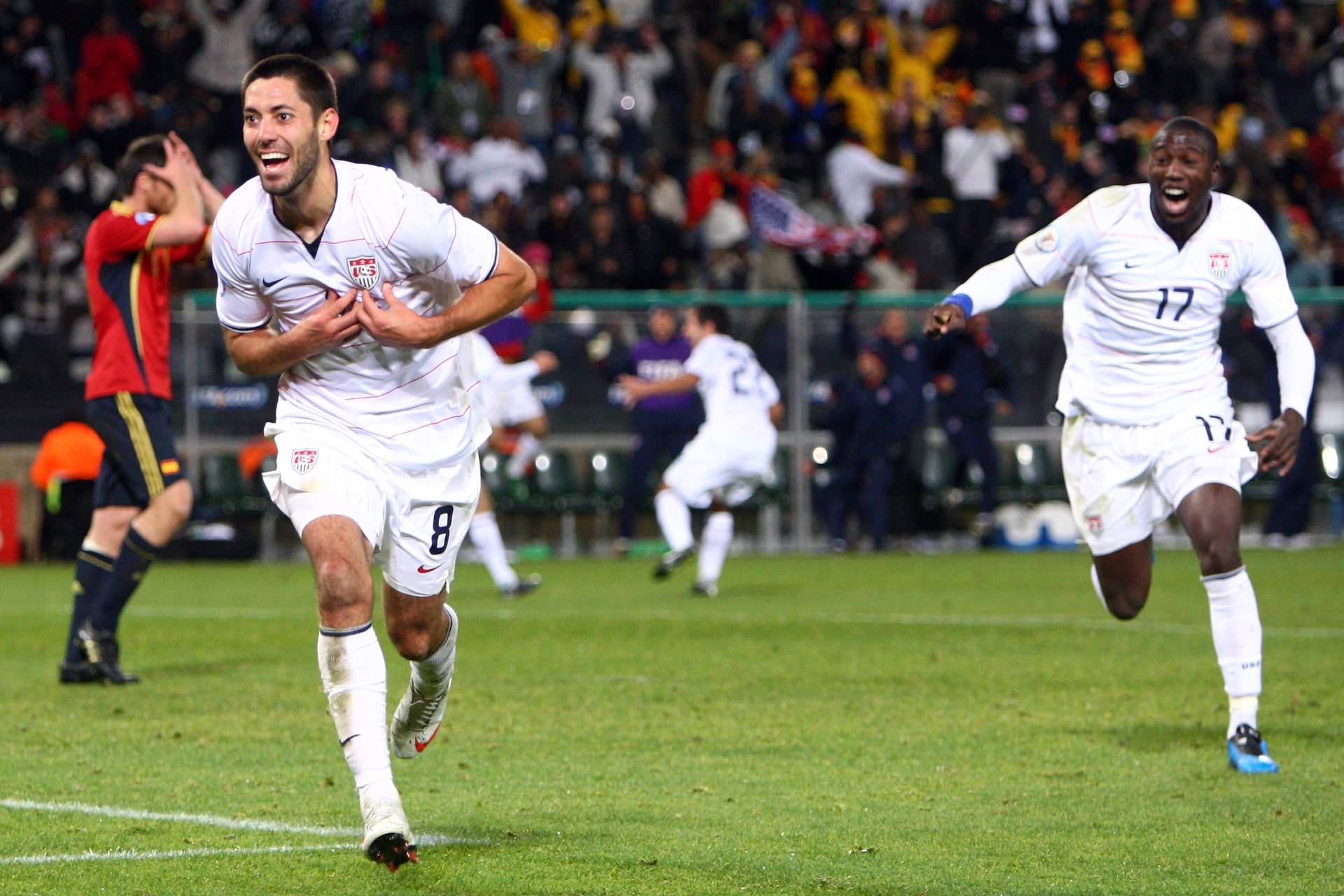
Clint Dempsey celebrates his goal against Spain in the United States’ upset win at the 2009 Confederations Cup. (Getty Images)
Watching from home, I had so many mixed emotions. One part of me was jumping out of my seat with every moment, every goal, excited for my teammates and friends. I was on the phone with these guys from South Africa, living every moment vicariously through them.
The other part of me has some serious “FOMO.” That brotherhood, camaraderie and pride — I was missing out on all of that.
Prior to the Confederations Cup, I felt really good about where I was with the team. I felt like I would have played a significant part in that tournament if it wasn’t for the injury. So, it felt like I had to start over.
The Comeback
I used that summer as motivation, though. Once I got healthy, the next chance I was going to have with the national team was the set of friendlies in late February and March 2010. I knew I had to do everything in my power to make sure I was going to be in that March camp.
I knew those games and training camp were going to be significant. That was the final chance for Bob Bradley and his coaching staff to get an extended look at us before the end of the club season.
The match I featured in was on March 3 in Amsterdam, when we lost 2-1 to the Netherlands. I came on at halftime for Jose Torres and got 45 minutes in midfield next to Michael Bradley, which is the job we were all competing for.
In that friendly against the Czechs, I played all 90 minutes of a 4-2 loss and scored my only goal for the national team. At that point, there’s nothing else I could do, and I felt good about my standing.
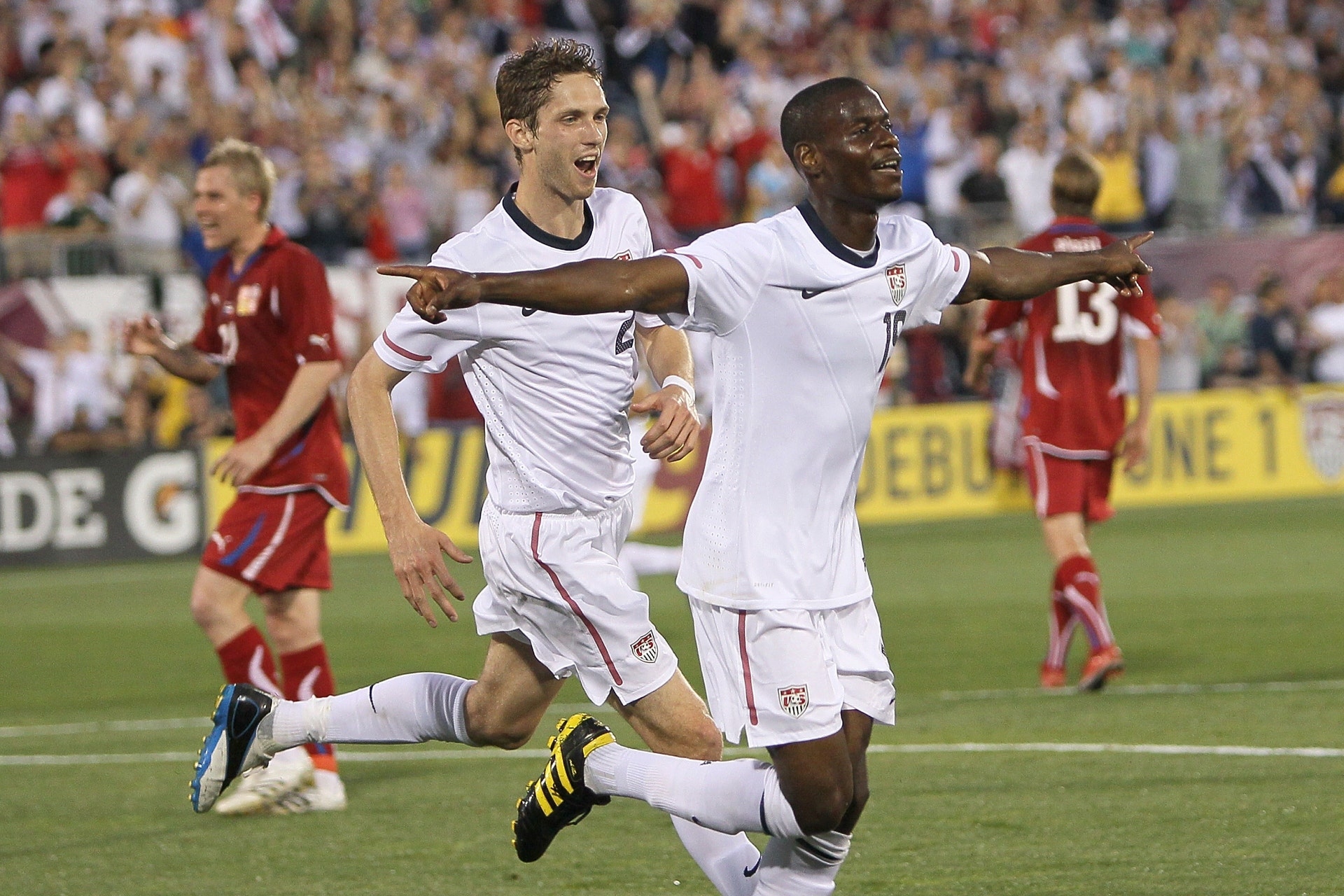
Maurice Edu celebrates his goal against the Czechs in a friendly ahead of the 2010 World Cup. (Getty Images)
Still, I had missed a significant amount of time and some important games between the Confederations Cup and the games in the fall of 2009. The value of playing in a tournament like that is that you get a run of games. It’s a chance to establish yourself and reinforce your value to the team over multiple games. While friendlies and qualifiers in the middle of the club season are important, I always felt a tournament was valuable because you get a run of games and knockout-round matches that are even more important and tense.
When I finally made it back to the national-team camp in the spring of 2010, I knew it was time to get to work. I needed to put my head down and deliver.
The Decision
The day after that friendly was the most tense day. No more chances to make an impression. The coaches have all the information they’re going to get.
I felt confident I would be on the plane to South Africa, but that didn’t necessarily settle my nerves.
The day after that friendly against the Czechs, we were all in our hotel rooms, and I got a call to the phone in my room. They told me to go to a specific room downstairs. That was it, no other information given to me. There was no indication that I’d be getting positive or negative news upon arrival.
That led to the longest walk ever.
I just wanted to get to that room. I don’t like having to wait. I needed to know the answer either way.
I knew I had done everything I could to make my case for a spot on the roster, but I was also prepared for whatever was going to happen. There was nothing more I could do at that point.
I get to the room, and there are a few guys in there. All of us are thinking, “Well, what’s happening?”
From there, more guys start to come in, and more after them. You start to realize you made it. Then, certain other people start to walk in, and I was like, “Hey, wait a minute. I’m in the same room as this person. I’m in good company.” That was a massive moment of relief.
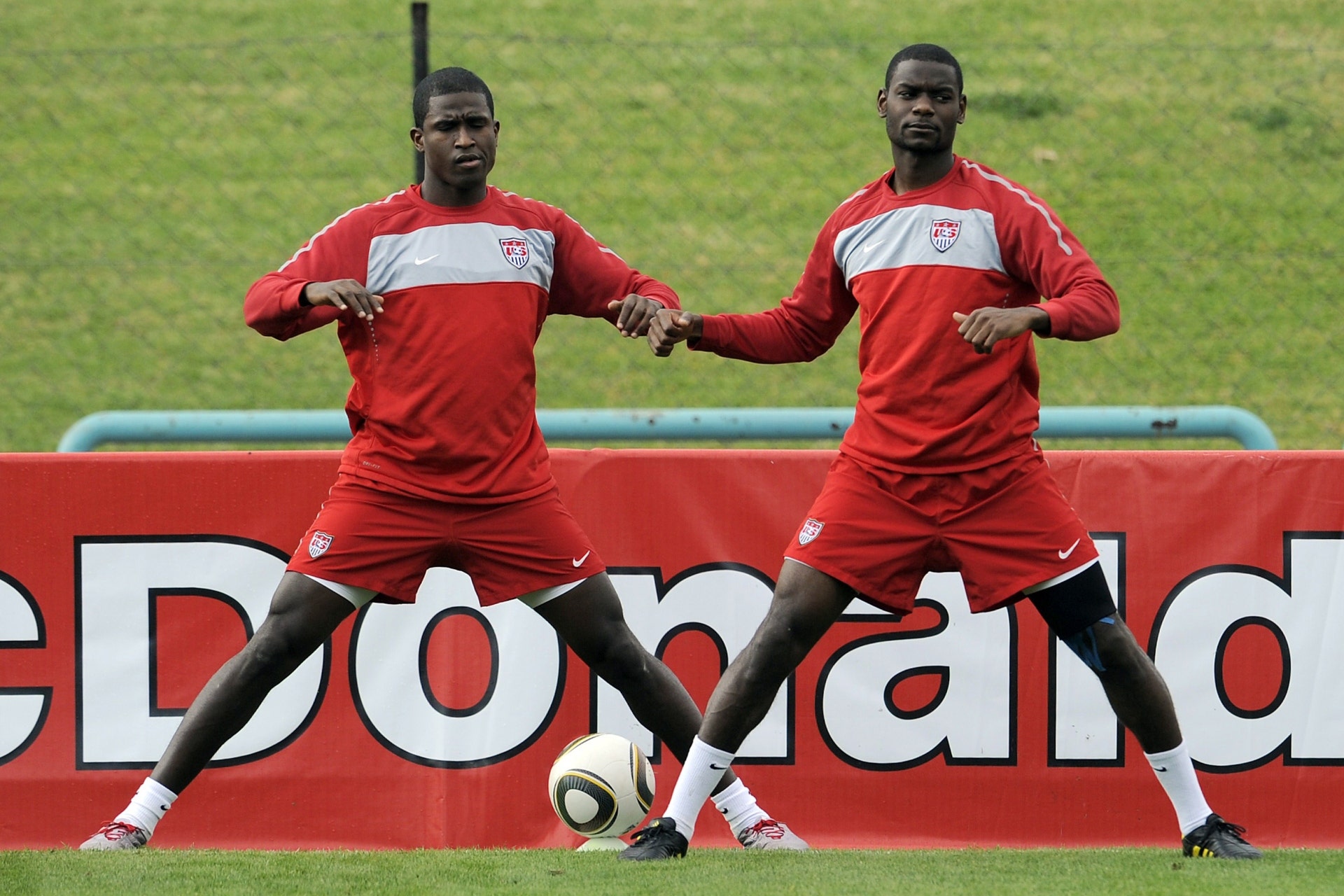
Striker Edson Buddle (left) and Maurice Edu train during the buildup to the 2010 World Cup in South Africa. (Getty Images)
After the team meeting about making the roster, there was immediately a feeling that we wanted to talk to our brothers and teammates that were not going to be on the plane. While they weren’t going to be in the 23-man squad, they were very much part of that team and brotherhood that got us to that point.
Making the roster was the culmination of so many years of work toward this goal. When I realized it had finally happened, it was a moment I’ll never forget.
From there, the coaches come in and say a few words along the lines of, “This is going to be a quick turnaround,” because a couple days later, we did the roster release on television, and then there was a lot more to do, including a trip to the White House.
Then, we had to lock back in. We had a tournament to play. And what a tournament it was.



