
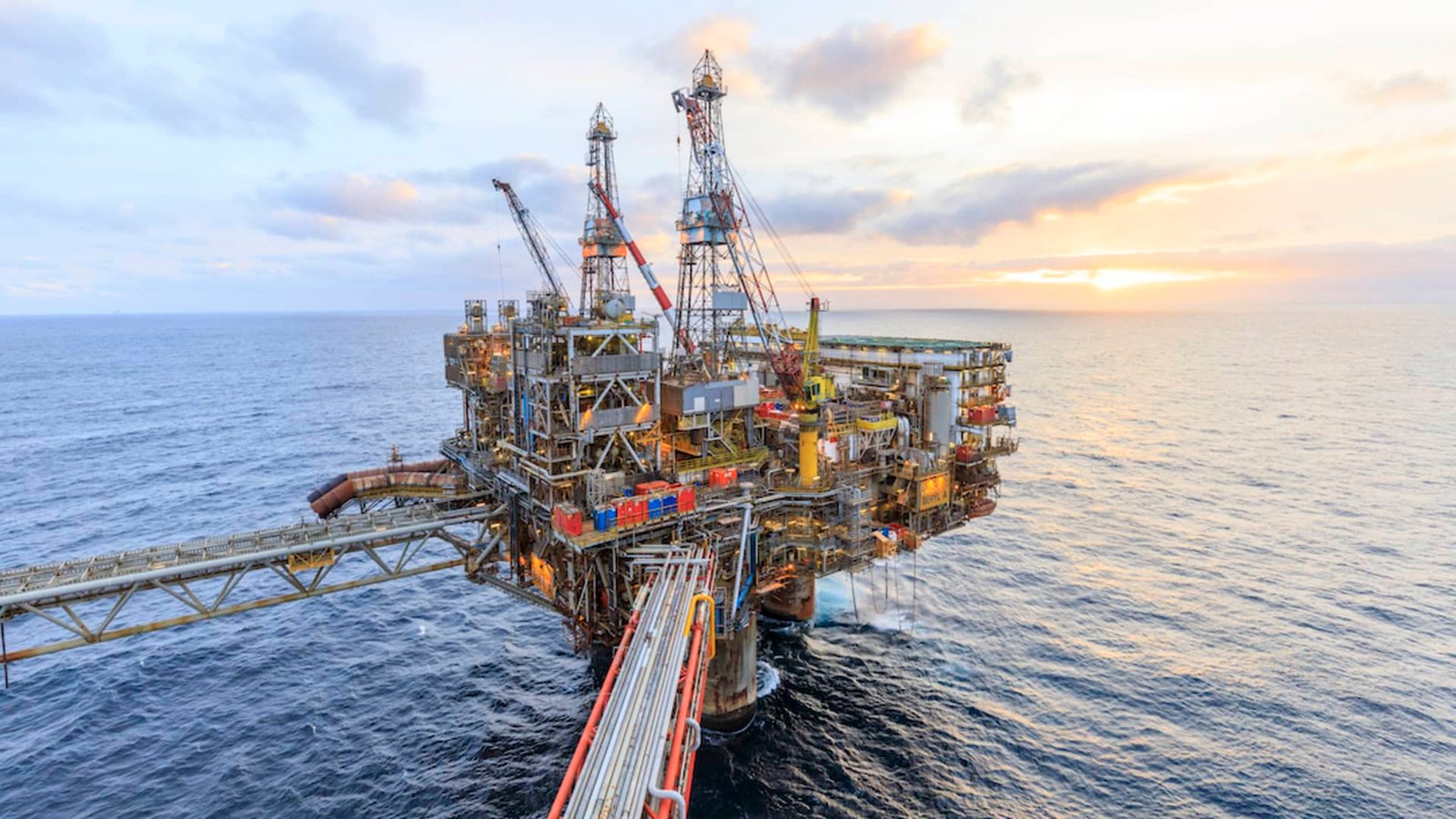
APA Corporation’s Beryl Alpha oil platform in the North Sea.
Courtesy: APA Corporation
Oil prices fell on Friday after Iranian state media reported a proposed peace deal that would see the Strait of Hormuz reopen, raising hopes the Middle East conflict could be nearing its end.
U.S. crude oil futures for July delivery fell 2.8% to $85.26 per barrel, while August futures for international benchmark Brent lost 2.5% to $88.13 per barrel.
A draft of the 14-point document includes a commitment from Iran to reopen the Strait within 30 days while the U.S. would have to lift oil sanctions, according to the Mehr News Agency. All American forces would be expected to retreat from Iran, and the U.S. and its allies would have to facilitate reconstruction plans for Iran costing up to $300 billion, Mehr added.
President Donald Trump said Thursday in the Oval Office that the U.S. had “just made a great settlement of the war with Iran,” which would depend on the “finalization of documents.”
Trump said the White House expects the documents to be signed “over the next few days,” an assertion he has made several times during the conflict.
Brent oil
Trump also said Thursday that he had called off a planned round of U.S. military strikes against Iran, arguing that negotiations with Tehran “have been brought to the highest level of Iranian leadership and approved.”
Tehran pushed back on Trump’s claim, with Iranian state-affiliated outlet Fars reporting on Telegram that Tehran had not approved any draft text for an initial memorandum of understanding with Washington.
In a subsequent post, Fars portrayed Trump’s announcement as a step back from his earlier military threats, saying he had failed to present any new elements beyond a proposal Iran had already submitted.
“The reality is that up until now, not only has Iran not given a final response, but it is the US that has returned to its previous demand,” Fars reported in a translated post. “Of course, it seems that given that the US has accepted the text proposed by Iran, there is a possibility of re-examining this text,” according to Fars.
BMO Capital Markets said oil prices have remained surprisingly contained despite the recent fresh exchange of U.S.-Iran strikes, with ongoing diplomatic efforts, alternative shipping routes around the Strait of Hormuz and sharply lower Chinese crude imports helping offset geopolitical risks.
Citi also echoed in a note on Friday that sharply lower Chinese crude imports have helped moderate oil prices since the start of the Middle East conflict, reducing fears of a bidding war for supplies. The bank estimates China can keep imports near 8.7 million barrels per day without materially depleting inventories, suggesting demand from China may not provide a major boost to prices in the near term.



