
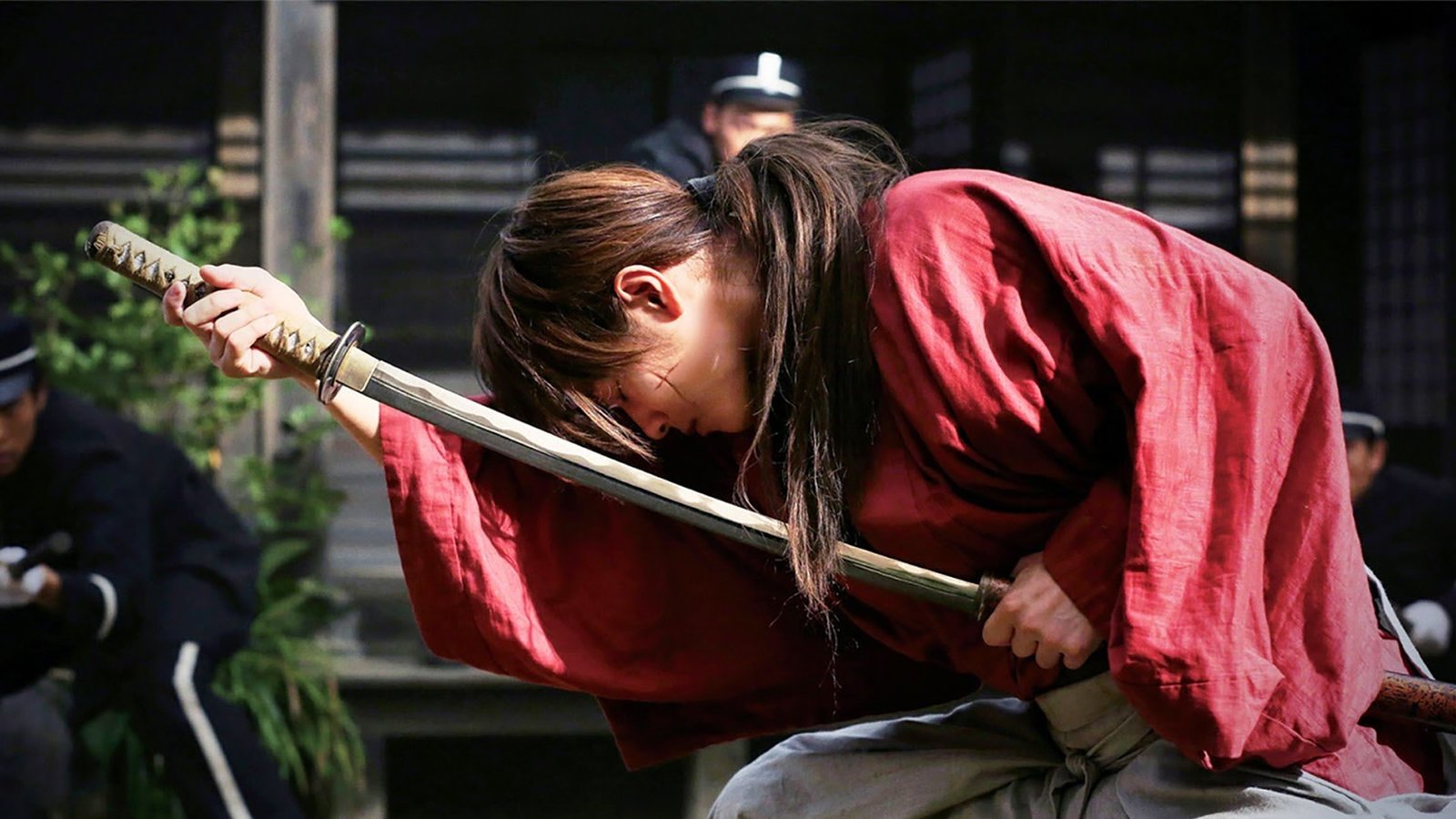
Long before the West started its modern film franchises and cinematic universes, Japanese studios had been doing the same quite frequently, successfully and consistently. While it was a particularly favoured approach for certain yakuza stories and tales of wandering ronins, it wasn’t limited to just those kind of stories, as buddy comedies, stories of the common salaryman and even tentpole holiday family-friendly release receiving similar treatment. Manga adaptations, of course, were much easier to go that route thanks to the episodic nature of the source materials.
Where many productions favoured keeping the same actors for subsequent releases, following the success of the first feature and due to their popularity, and have them play different characters through the rest of the series (like “Stray Cat Rock” or “Code Between Brothers”, for example), there were still several that told the story of the same characters across various features. While there have been several trilogies or quadrilogies that take this route, a fair few have taken it several steps further. So for the purpose of the list, we take a look at film series where the same actors play the same character across five films or more, regardless of how long of a time a series lasted, while considering both theatrical releases as well as direct-to-video V-Cinema productions. Some franchises where TV specials come into play have also been considered. Please note that the list is in alphabetic order.
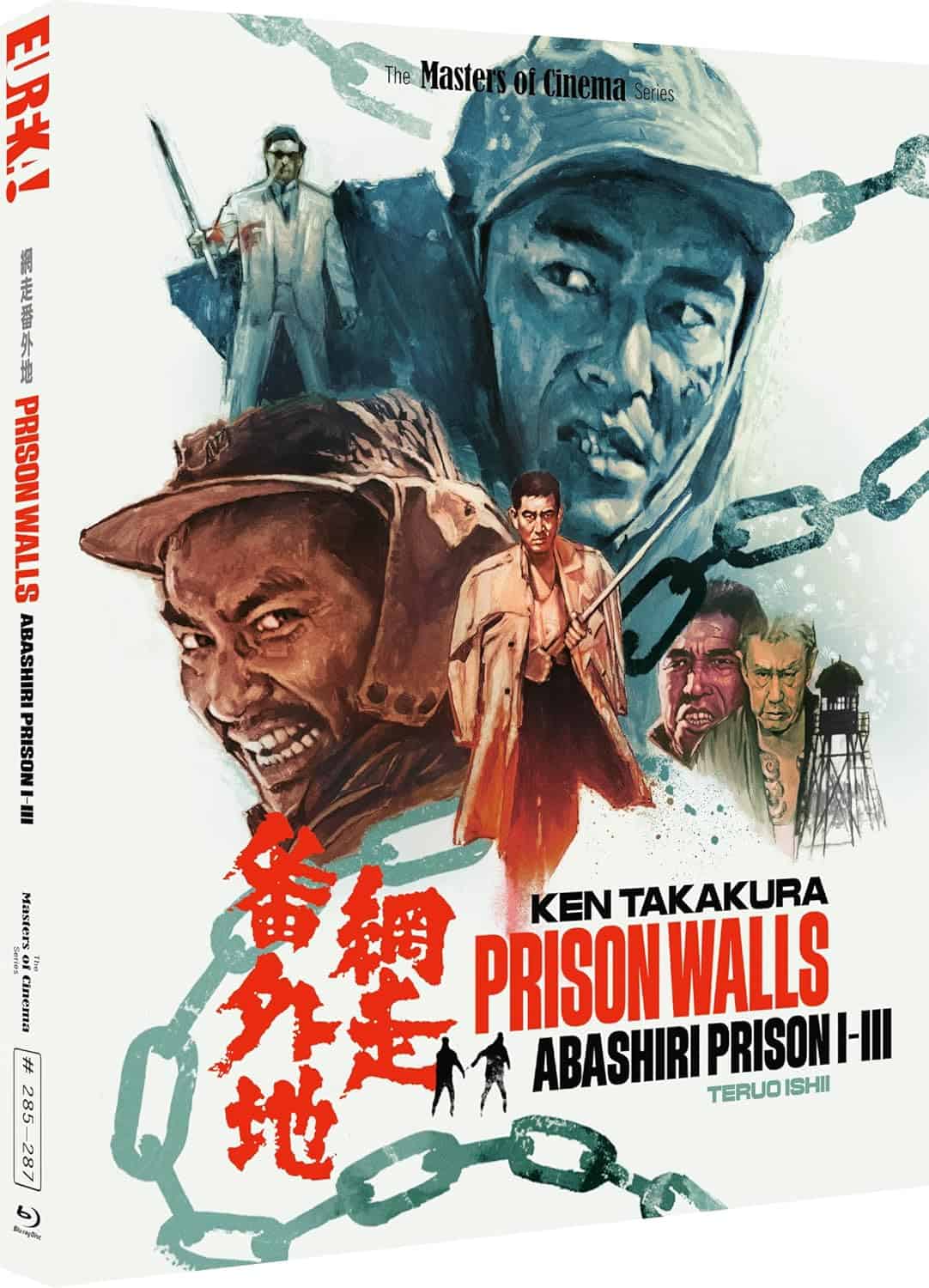
Abashiri Prison (Ken Takakura as Shinichi Tachibana and as Suehiro Katsuji)
The infamous and historic Abashiri Prison is the playground for the Abashiri Prison series, which started in 1965 with “Abashiri Prison” by Teruo Ishii, starring the great Ken Takakura as Shinichi Tachibana. Based on a novel by Hajime Ito, the film would spawn as many as 17 sequels, with the first ten seeing Ishii return to the directing chair and Takakura returning as Tachibana over a period of three years. The next seven releases lasted five years and were delegated to different directors, but Takakura returned for all of them, this time playing Suehiro Katsuji.
Buy This Title
on Terracotta by clicking on the image below
Battles Without Honour and Humanity (Bunta Sugawara as Shozo Hirono)
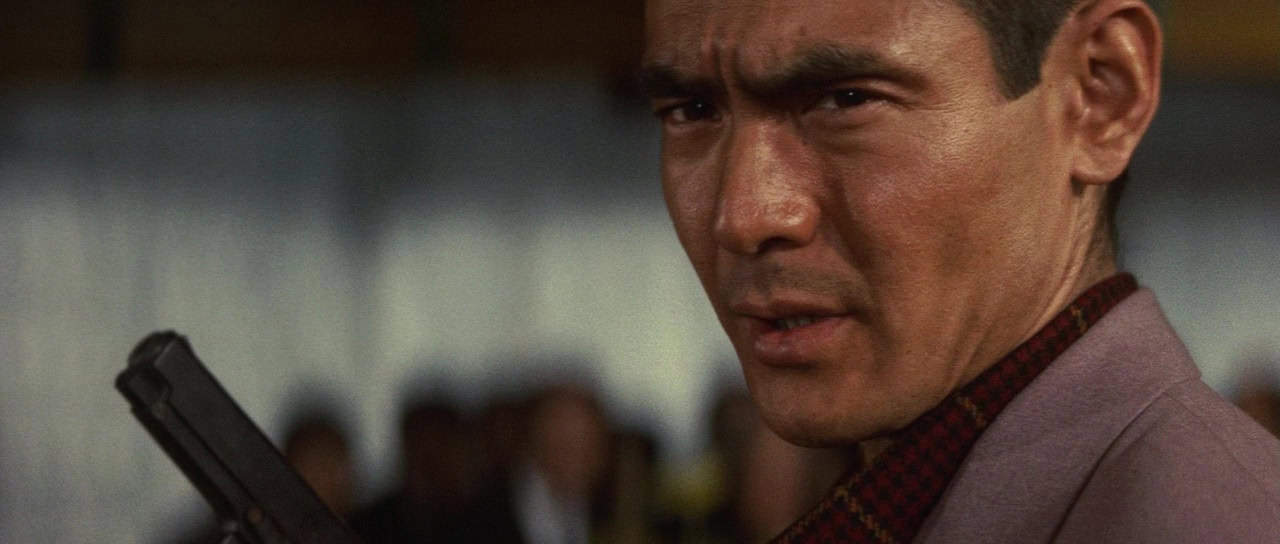
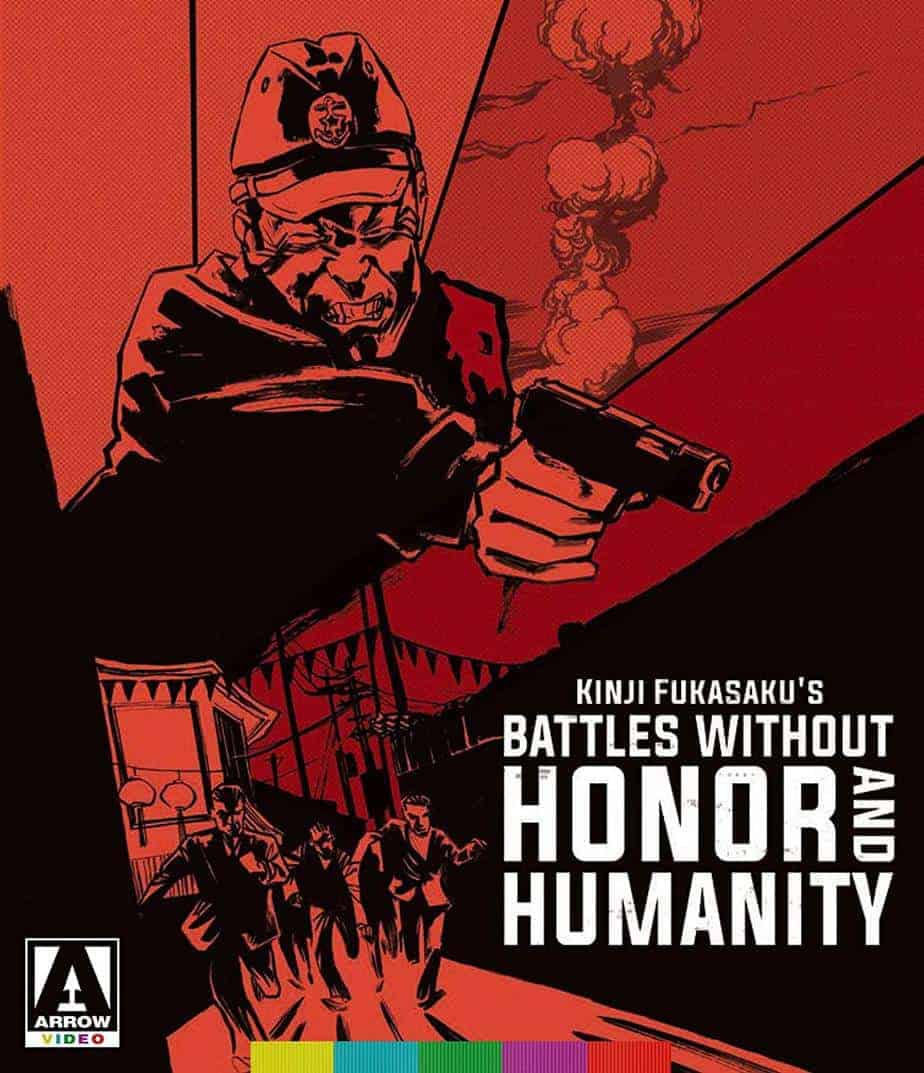
Kinji Fukasaku‘s landmark saga, “Battles Without Honour and Humanity” sees many actors return not just for the same role but at times even playing various characters, but constant through the original five films is Bunta Sugawara‘s excellent turn as Shozo Hirono, a version of the real-life ex-yakuza Kozo Mino, on whose writings the series is based upon. The series would go on to change the landscape for gangster films forever, moving the genre from the ninkyo (chivalrous) films that were bound with themes of loyalty and brotherhood into the gritty, violent and realistic jitsuroku (true accounts) films.
Bayside Shakedown (Several recurring cast members)
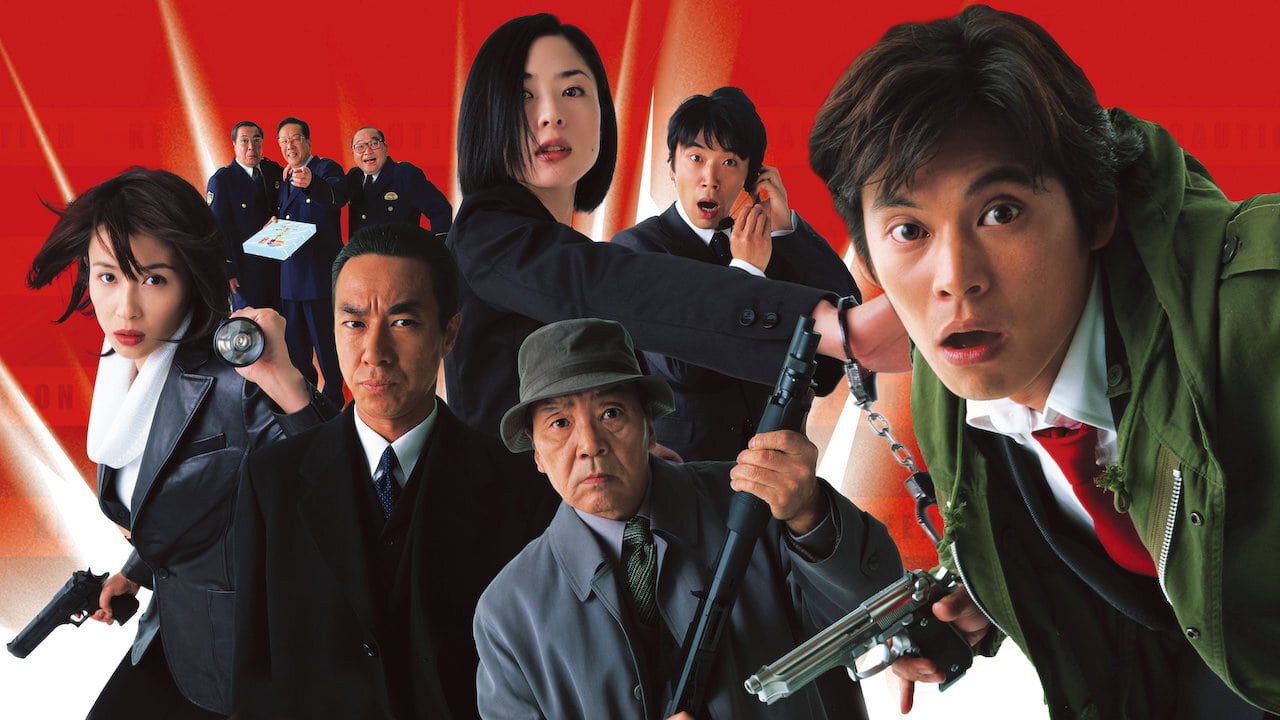
“Bayside Shakedown” began life as an 11-episode police detective comedy-drama TV series, which proved successful enough to spawn three TV specials before making the jump onto the big screen for four releases. One more TV special movie, two theatrical spin-offs and a TV spin-off special and even a stage play followed, with much of the much-loved original cast from most of them. Yuji Oda led the cast in the TV specials and the theatrical releases as the young detective Shunsaku Aoshima, whereas most of the other recurring cast comprises Toshiro Yanagiba as the fan-favourite Shinji Muroi, Eri Fukatsu as Sumire Onda, Chosuke Ikariya as Heihachiro Waku, Miki Mizuno as Yukino Kashiwagi and Yusuke Santamaria as Masayoshi Mashita, among several other regularly recurring cast members.
Jingi (Riki Takeuchi as Hitoshi Kamibayashi and Toshihiko Sakakibara as Yoshiro Yazaki)
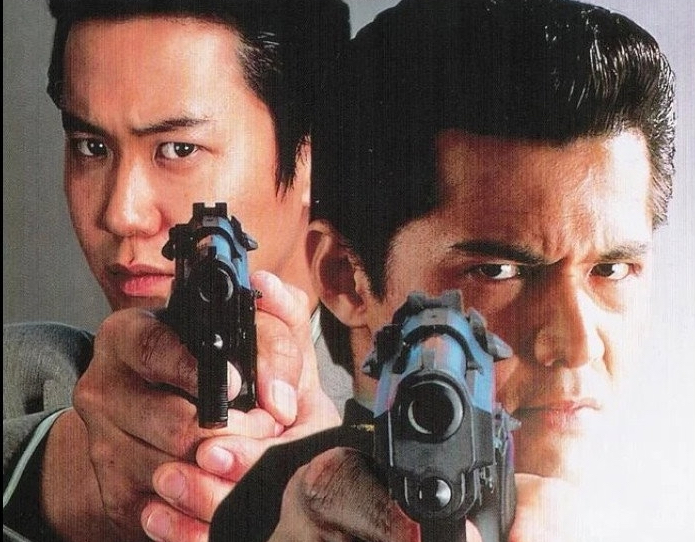
Sadly not much is known about the Jingi series due to a lack of English source material and the films never having gotten English-friendly releases, but the series deserves mention in this list as one of two long-running manga adaptation V-Cinema film series that define the career of V-Cinema legend Riki Takeuchi. A yakuza series with roughly 57 movies, which started initially with a poorly received theatrical release before moving to direct-to-video, this sees Riki Takeuchi play Hitoshi Kamibayashi, a gang boss, and Toshihiko Sakakibara as Yoshiro Yazaki as the two battle rival gangs and other villains.
King of Minami (Riki Takeuchi as Ginjiro Manda)

King of Minami (Minami no Teio) is one of the longest manga, currently clocking in at 178 volumes as of August 2024, after having started in 1992. So it only makes sense that a film series based on the manga would also go on to be one of the longest-running series. Starring Riki Takeuchi as Ginjiro Manda, a loan shark businessman affiliated with many yakuza gangs in Osaka, the series saw a couple of theatrical releases which underperformed, but found an audience on the direct-to-video market, where it continued for a total of 60 films, most of them directed by Sadaaki Haginiwa.
Lone Wolf and Cub (Tomisaburo Wakayama as Ogami Itto and Akihito Tomikawa as Daigoro)
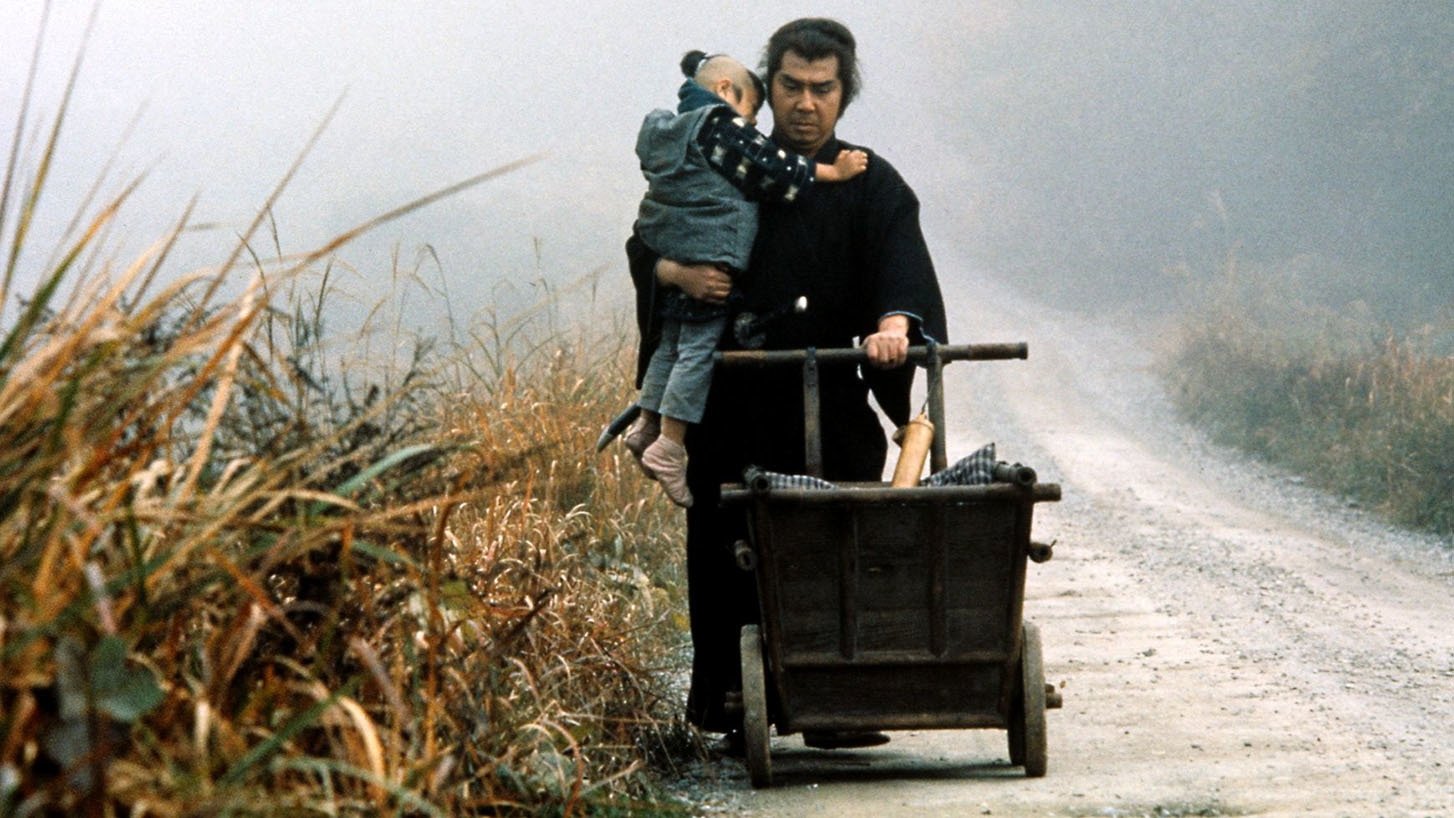
One of the most influential manga series, Kazuo Koike‘s much-loved “Lone Wolf and Cub” is a story almost tailor-made for a live-action adaptation, so it is no surprise that Toho greenlit a feature film in 1972. The production, directed by Kenji Misumi, the man responsible for launching the “Zatoichi” series a full decade before this, and starring Tomisaburo Wakayama, the real-life brother of “Zatoichi” actor Shintaro Katsu, as the lead character Ogami Itto and the young boy Akihito Tomikawa as Itto’s son Daigoro, was greenlit. The release’s box-office success meant sequels were immediately ordered, resulting in one of the most memorable and iconic Japanese action film series and characters, and arguably Wakayama’s most well-known and well-loved character.
Buy This Title
Nihon Toitsu (Yasukaze Motomiya as Renji Himuro and Hitoshi Ozawa as Yuto Tamura)

Not only the longest series on this list but also possibly the longest-running yakuza film franchise and the only series still ongoing, “Nihon Toitsu” (aka “Unification of Japan”) is V-Cinema royalty. With roughly 75 films to date in the core line-up and several other theatrical spin-offs, TV series and more character-focused films, the series started in 2013, with the latest five entries coming this year itself. The story focuses on Kenji Himuro and Yuto Tamura, two delinquents from Yokohama, as they join Kobe’s Kyowakai gang and strive for success within the yakuza and eventually the unification of Japan’s underworld. Yasukaze Motomiya and Hitoshi Ozawa play Himuro and Tamura throughout the series, with their great chemistry, thanks to their real-life friendship, being among the series’ strengths.
Tora-san (Kiyoshi Atsumi as Torajiro Kuruma aka Tora-san)
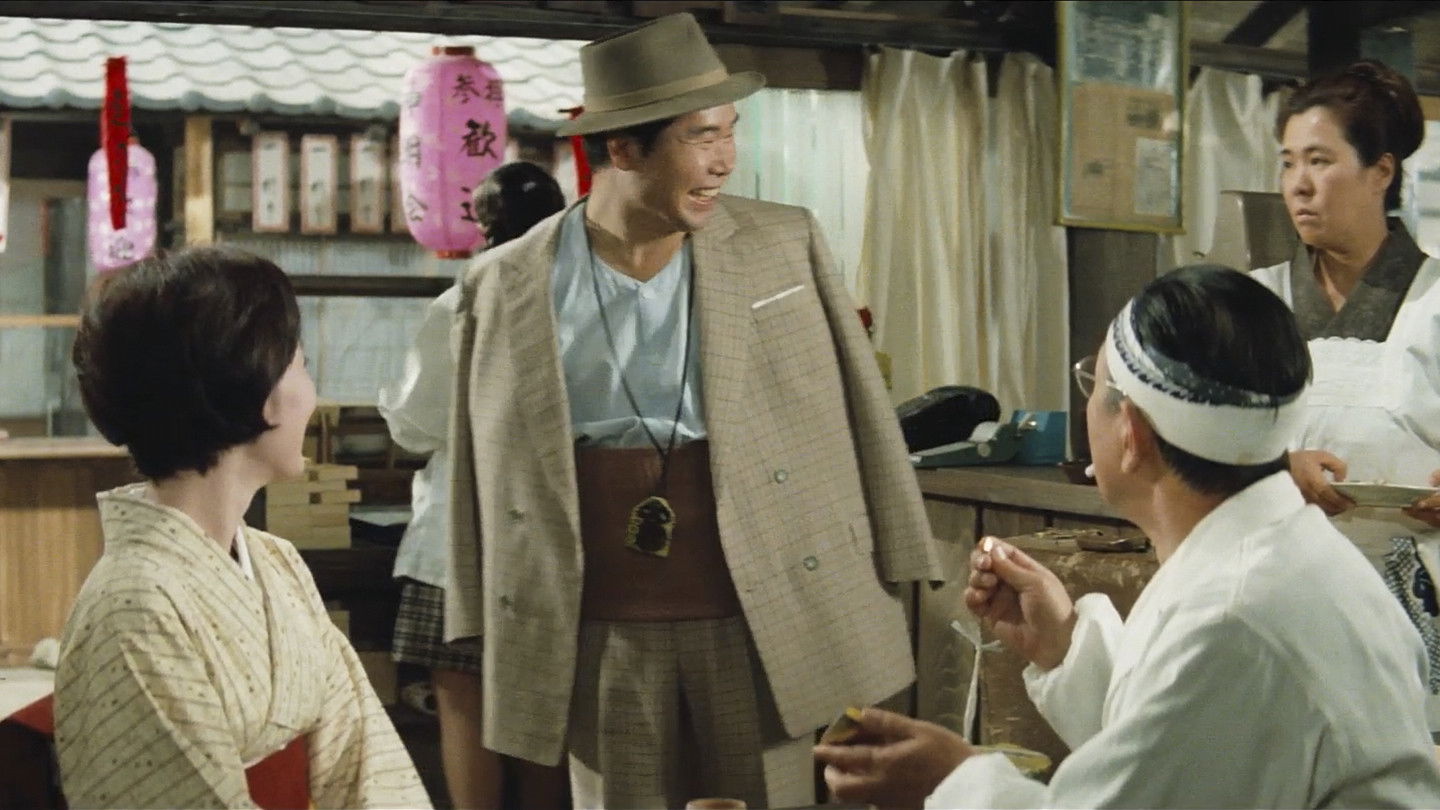
Following a short-lived but fairly popular teledrama, an “Otoko Wa Tsurai Yo” (It’s Tough Being a Man) feature was greenlit at Shochiku, with Yoji Yamada writing and directing and Kiyoshi Atsumi once again reprising his role as Torajiro Kuruma, lovingly known as Tora-san. Little would anyone involved with the series have known at the time that the feature would kickstart a series of films, lovingly called the Tora-san series, which would go on to spawn 48 theatrical releases in lead star Atsumi’s lifetime, and two more posthumously, making it the longest-running theatrically released film series of all time. Shochiku aimed to and successfully released two films each year, one for the summer and one for New Year, until the ’90s, when they capped it at one per year. While the format of the series saw a new love interest come into Tora-san’s life, a number of characters and their actors too remained constant throughout the series for a large number of the works, including but not limited to Chieko Baisho as his sister Sakura and Gin Maeda as her husband Hiroshi.
Outlaw Gangster VIP (Tetsuya Watari as Goro Fujita)
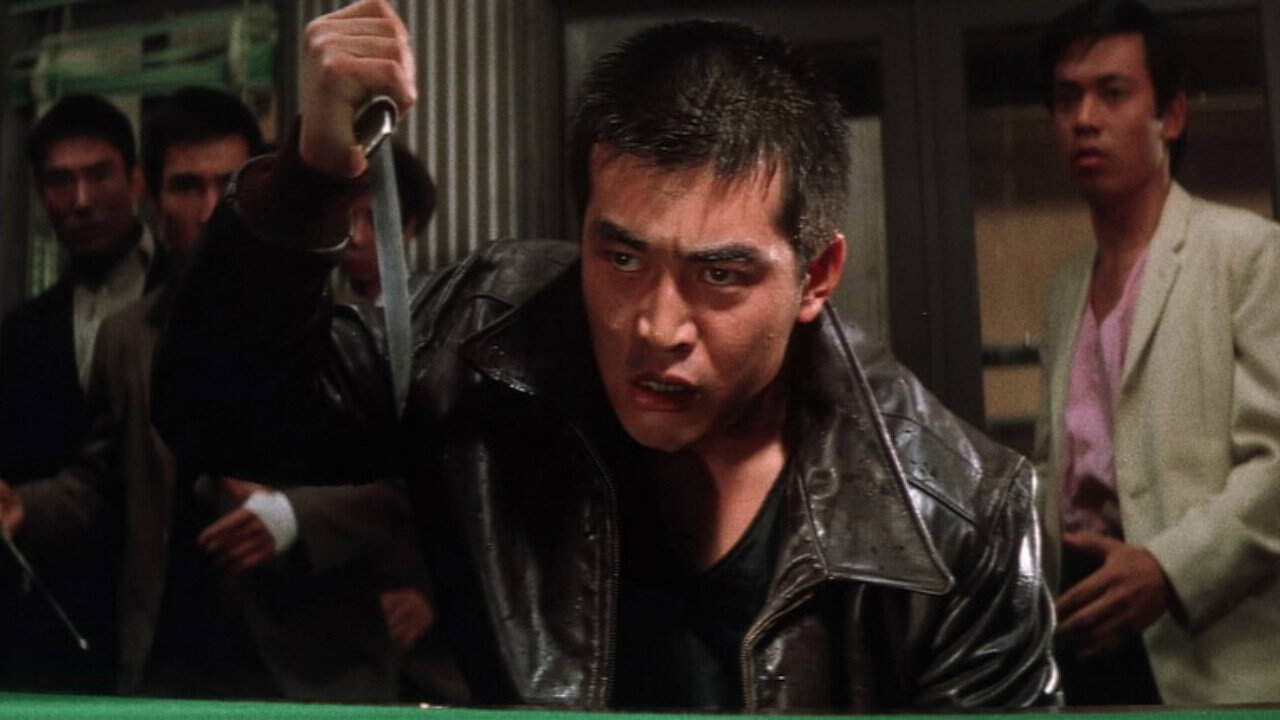
Based on the writings of real-life ex-yakuza Goro Fujita, “Outlaw Gangster VIP” saw Nikkatsu star Tetsuya Watari play a version of the real-life Fujita in a production that can be seen as a bridge between the chivalrous ninkyo eiga and the later gritty jitsuroku eiga, paving the way for the likes of Fukasaku‘s “Battles Without Honour and Humanity” series, which was also based on the writings of a real ex-yakuza. Nikkatsu ordered sequels to the successful film immediately, with five of the six Outlaw films starring Watari as Goro Fujita coming in 1968 itself! Chieko Matsubara returned as the female lead in all the entries as well, but played different characters in each.
Red Peony Gambler (Junko Fuji as Oryu the Red Peony)

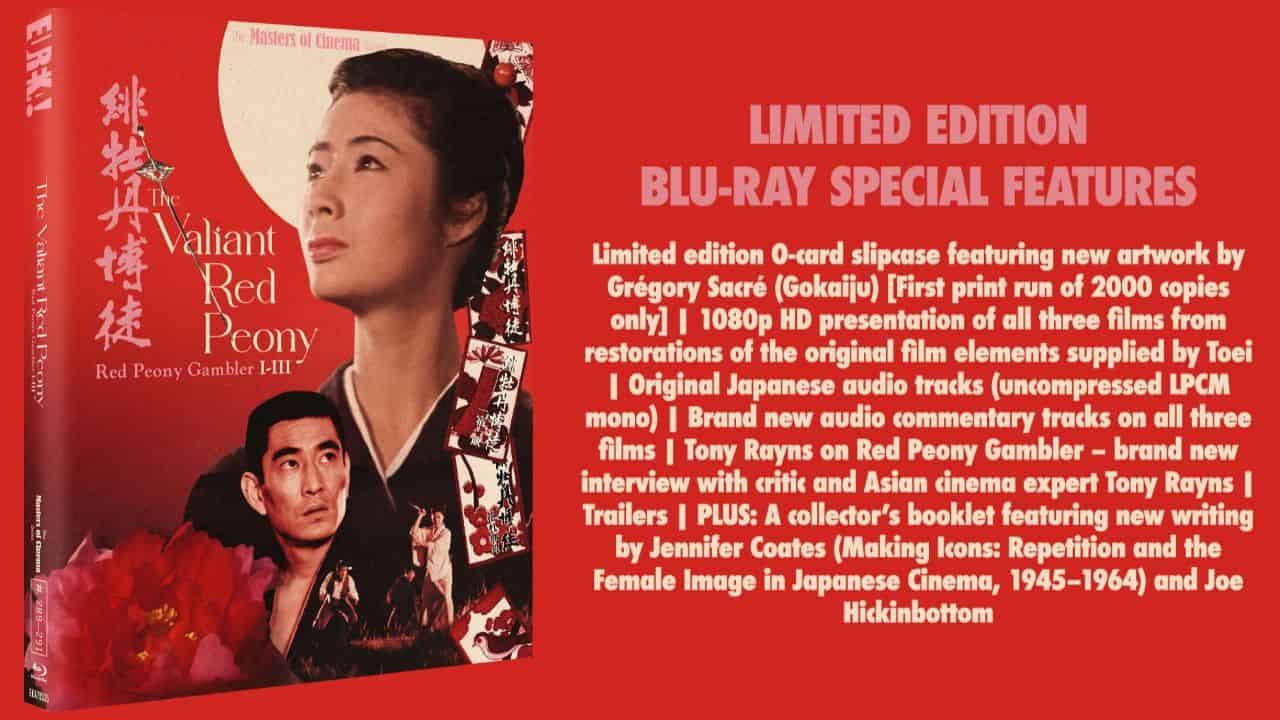
Conceptualised as a direct rival to Daiei Studio’s “Woman Gambler” series, 1968’s “Red Peony Gambler” was actress Junko Fuji‘s first leading role. Despite having already appeared in nearly 50 of Toei’s productions prior to this one, “Red Peony Gambler” catapulted her into superstardom. So confident was Toei in the feature’s success that it had already commissioned sequels even before the first’s release and according to screenwriter Norifumi Suzuki, who would go on to direct the second part, the writing for the immediate sequel was already 70% complete before the first film’s release. The series would go on for a total of eight entries directed by the likes of Suzuki, Tai Kato, Kosaku Yamashita, Buichi Saito and Shigehiro Ozawa, all starring Fuji as Oryu the Red Peony, a woman gambler holding her own in a man’s yakuza world, and even spawned a short-lived spin-off duology with Tomisaburo Wakayama‘s recurring character.
Buy This Title
on Terracotta by clicking on the image below
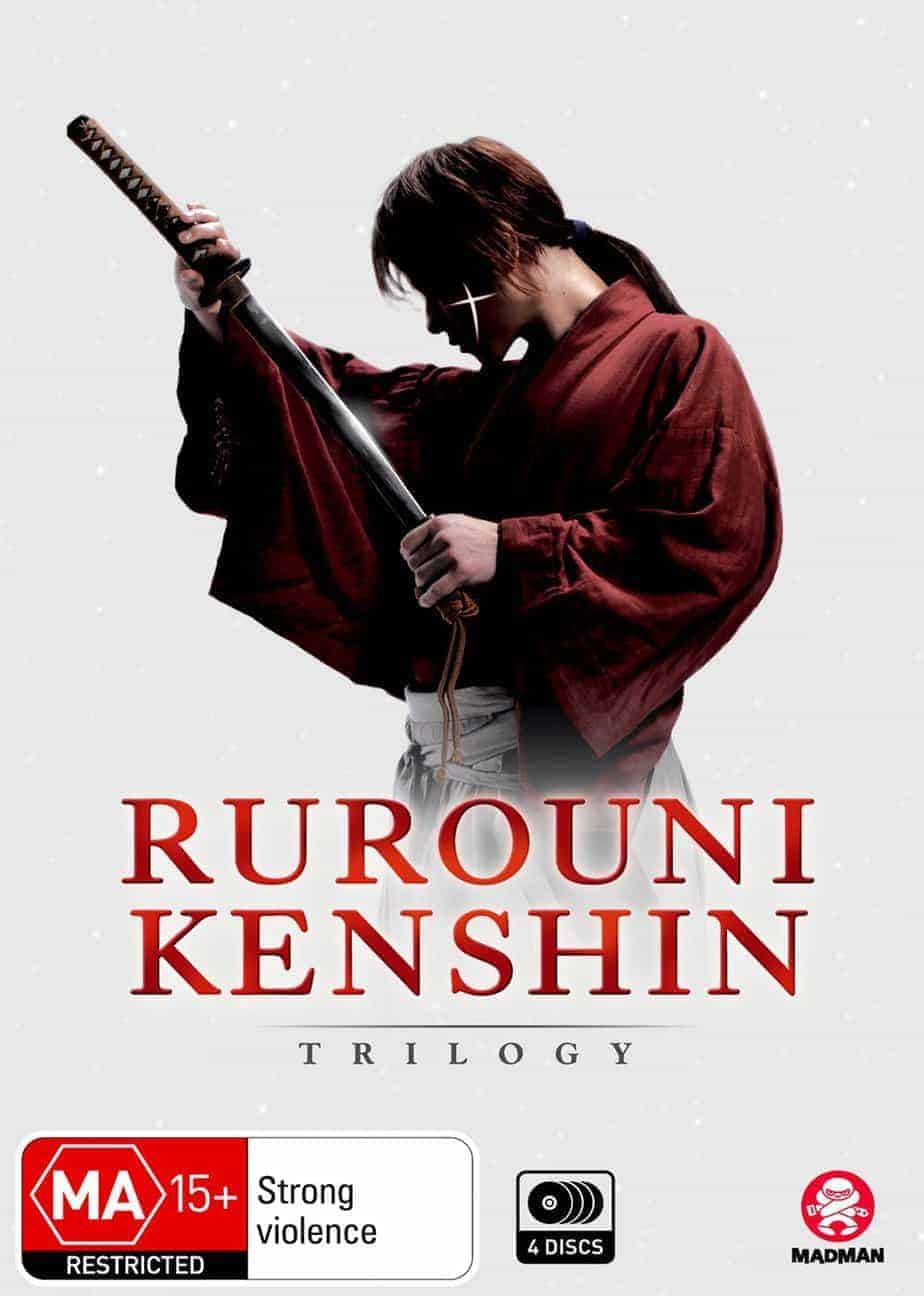
Rurouni Kenshin (Takeru Satoh as Himura Kenshin)
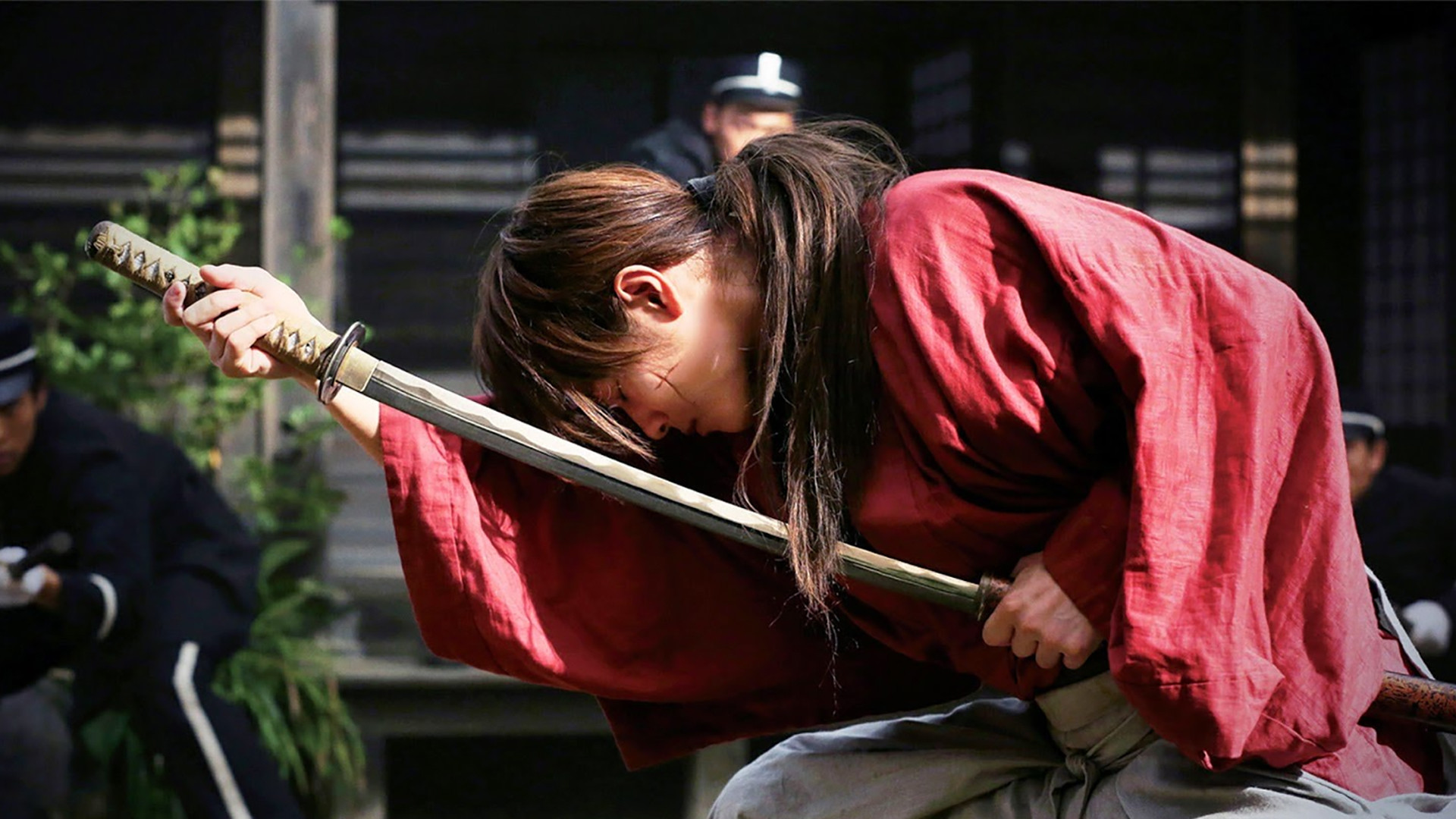
Nobuhiro Watsuki‘s popular chanbara “Rurouni Kenshin” manga, which had already had an anime adaptation in the late ’90s, was adapted into a feature film by director Keishi Otomo in 2012, with Takeru Satoh playing the lead character Himura Kenshin, the ronin with the cross-shaped scar on his cheek. Always envisioned as a series, the feature got two immediate sequels over the next two years and even as fans thought that was the end of the series, Warner Bros. Japan announced two more films within the series much later, which both came out in 2021, rounding off Kenshin’s story perfectly for this latest series on this list. While a number of actors reprise their roles in four of the five films, due to the final part being a prequel, it is only Takeru Satoh and Yosuke Eguchi as Saito Hajime that feature in all five entries.
Buy This Title
Shura Ga Yuku (Show Aikawa as Hongo Ryuichi and Nagare Hagiwara as Masaharu Ino)
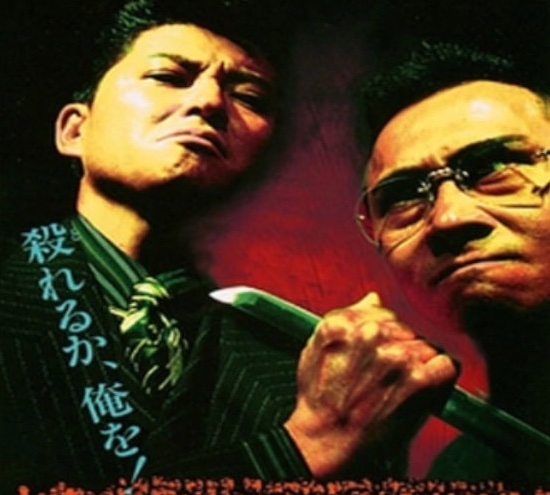
Another V-Cinema manga adaptation, the Shura Ga Yuku series ran for 13 films between 1995 and 2000 and starred Show Aikawa as Hongo Ryuichi, an ambitious yakuza who does not believe in staying loyal to one gang and instead is willing to do whatever it takes to get ahead and reshape the underworld itself. Pitted opposite him is Masaharu Ino, played by Nagare Hagiwara, an equally ambitious and ruthless gangster, with the rivalry between the two forming the crux of the storyline through the 13 movies. What’s interesting with this series, marketed in its day as the “Heisei-era Battles Without Honour and Humanity”, is that the entries do not work well as stand-alone films, with the narrative overarching throughout all 13 productions, much like Aikawa and Hagiwara’s performances.
Sleepy Eyes of Death (Raizo Ichikawa as Nemuri Kyoshiro)

In the ’60s, Daiei were all about film series. Having already started what would be one of the longest-running series with 1962’s “The Tale of Zatoichi”, they would kickstart yet another the very following year. Based on Renzaburo Shibata’s novel series, “Sleepy Eyes of Death: The Chinese Jade” by Tokuzo Tanaka saw Raizo Ichikawa play the sleepy-eyed Nemuri Kyoshiro, a detached anti-hero of sorts with a hell of a sword technique. Ichikawa would reprise the role 11 more times after “The Chinese Jade” for a series that would go on for 12 films with Ichikawa in the role and two more with Hiroki Matsukata taking over the role of Kyoshiro.
Suit Yourself or Shoot Yourself (Show Aikawa as Yuji Fujita and Koyo Maeda as Kosaku Yoshiyuki)
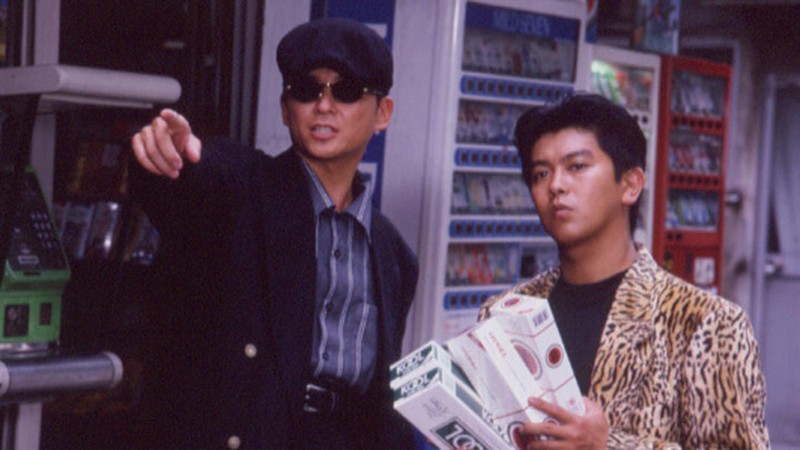
Coming before his golden period that started post “Cure”, Kiyoshi Kurosawa spent a couple of years churning out six V-Cinema releases in the “Suit Yourself or Shoot Yourself” series. Focusing on two low-level yakuza, Fuji Fujita and Kosaku Yoshiyuki, the series follows the two as they get into low-stakes trouble with an emphasis on comedy, buddy movie dynamics, melodrama and slapstick. Through all six productions, while most of the storyline kept changing, the overarching narrative remained the developing friendship between Show Aikawa‘s Fuji Fujita and Koyo Maeda‘s Kosaku Yoshiyuki.
Truck Yaro (Bunta Sugawara as Momojiro “Ichibanboshi” Hoshi and Kinya Aikawa as Kinzo “Jonathan” Matsushita)

Norifumi Suzuki‘s action-comedy series Truck Yaro started with “Truck Rascals: No One Can Stop Me” in 1975 and, in a span of five years, went on for ten films in all. Bunta Sugawara and Kinya Aikawa played Momojiro Hoshi and Kinzo Matsushita respectively, two truck drivers, with Momojiro, much like the Tora-san series, falling in love with a new Madonna with each entry and both drivers ultimately racing against time to help all those Madonnas get to their true love instead. A rather fun series that saw a number of Toei regulars make cameos in individual films, including Tomisaburo Wakayama, Kunie Tanaka, Takuzo Kawatani and Sonny Chiba, the only other actor that featured in all ten films besides Sugawara and Aikawa was Masumi Harukawa, who played Jonathan’s wife Kimie.
Tsuribaka Nisshi (Toshiyuki Nishida as Densuke “Hama-chan” Hamasaki and Rentaro Mikuni as Ichinosuke “Su-san” Suzuki)
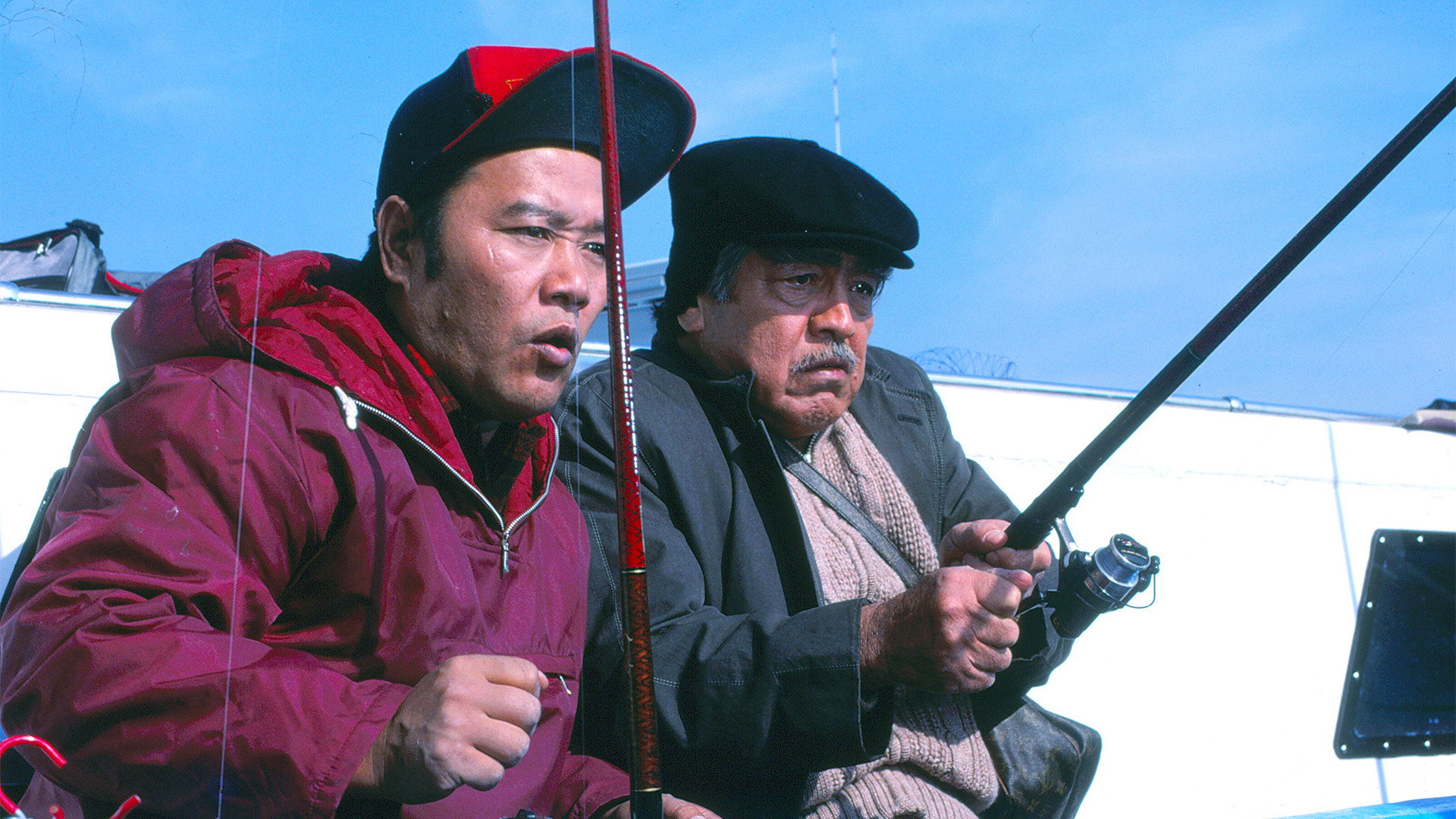
The Tsuribaka Nisshi (literally, “Fishing Fool’s Diary” and also known as “Free and Easy”) series started in 1988 with the homonymous feature starring Toshiyuki Nishida as Densuke Hamasaki, a salaryman with a love for, as the name suggests, fishing. A huge success with both the audience and critics, the story of the series largely focuses on the developing friendship between Hama-chan and Su-san, a man Hamasaki befriends while fishing (played by Rentaro Mikuni), who just happens to be the president of the company he works for. One of the reasons the series struck a chord with the audience was its gentle social satire and focus on workplace dynamics, fishing and travel, with each film in the series being set in different parts of Japan. A huge success in Japan, and with the Japanese Academy who often bestowed awards to the entries, the series remains largely unknown and unexplored in the western world, even after running for over 20 years and 20 films, with both Nishida and Mikuni reprising their roles in all the entries. Actress Eri Ishida also played Michiko Hamasaki, Hama-chan’s wife, in seven of those features, after which the role was taken over by Miyoko Asada for the remainder of the series, making them two other long-serving cast members of the series.
Wicked Priest (Tomisaburo Wakayama as Shinkai and Bunta Sugawara as Ryutatsu)
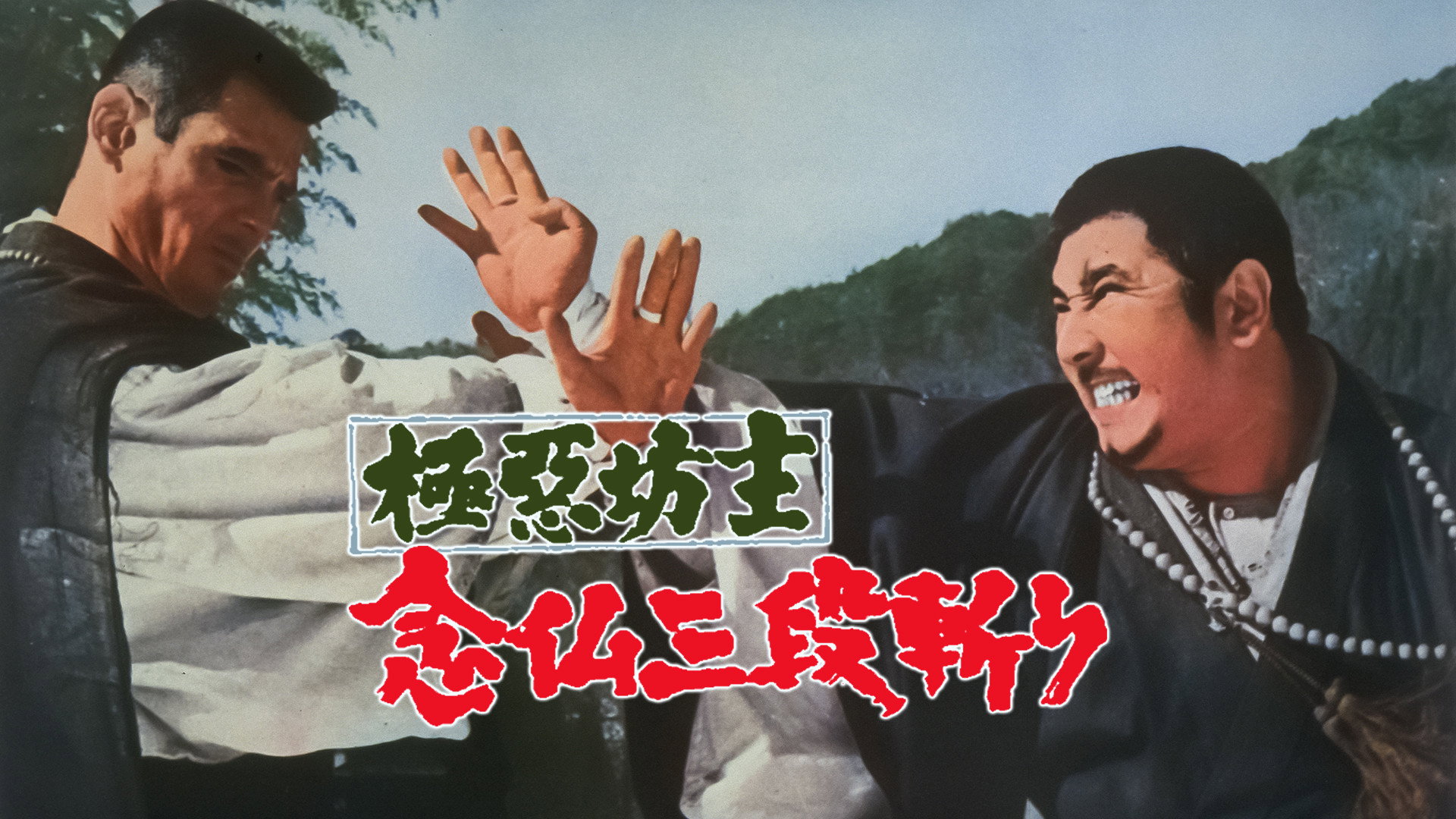
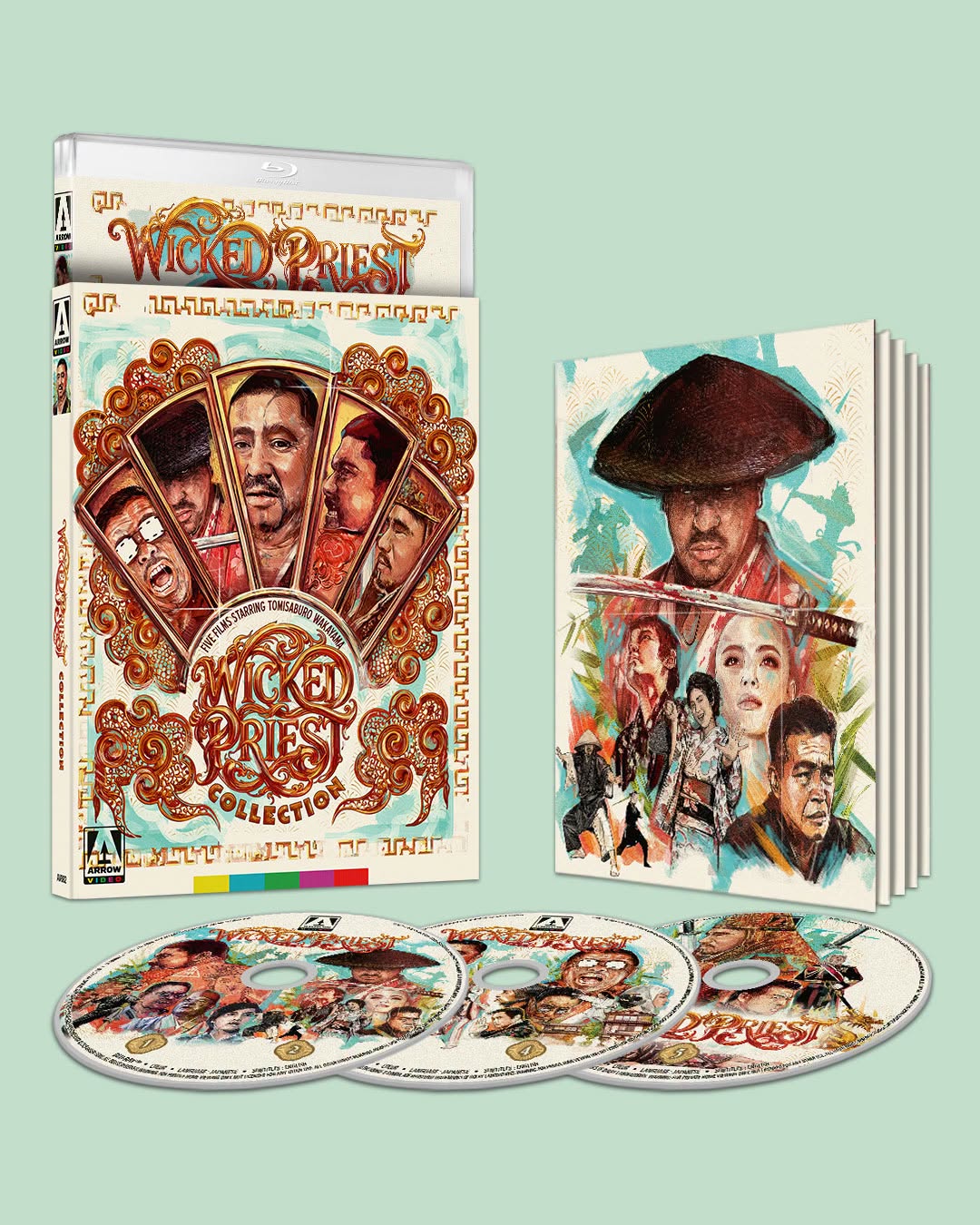
Much like Shintaro Katsu‘s Hanzo the Razor, Tomisaburo Wakayama too got his own good guy with some bad habits in “Wicked Priest”, a feature in which he plays a man of the cloth with a penchant for booze, gambling, women and a knack of finding himself at odds with bad guys. Set in the early 20th century, the success of “Wicked Priest” swiftly saw sequels come in quick succession, with a total of five releases in two years seeing Wakayama’s Shinkai take on corrupt monks, yakuza and more such villains with his formidable skills in this fun but short-lived series. What’s interesting with this series is that while Shinkai had five adventures, his co-star Bunta Sugawara, who plays the wayward priest Ryutatsu, actually got a spin-off between the fifth and sixth entries, making him the actor with more appearances as the same character in the series than Wakayama.
Buy This Title
on Terracotta by clicking on the image below
Woman Gambler (Kyoko Enami as Ogin)

Before there was Oryu the Red Peony, there was Ogin, Daiei’s woman gambler and the heroine of 1966’s “A Woman Gambler”. Much like “Zatoichi”, “Sleepy Eyes of Death” and “Lone Wolf and Cub”, the Woman Gambler series saw Ogin, a prolific gambler played by Kyoko Enami, wander from village to village, helping those in need and restoring peace before moving on to a different adventure in the next story. So popular was the series that Daiei made 17 films in a span of just six years, making Enami a certified Daiei superstar and Ogin the defining role in her career.
Yakuza Deka (Sonny Chiba as Shiro Hayata)

Before Sonny Chiba got his wildly popular Street Fighter trilogy under his belt, he played Shiro Hayata in the “Yakuza Deka” series, playing an undercover cop infiltrating the yakuza and getting the better of them with not just his policing skills but also with his karate skills. Working almost as a precursor to the popular trilogy that would put Chiba on the international map, Yakuza Deka ran for five entries in a span of two years. Think James Bond, but with a reliance on his fists and kicks instead of his gadgetry, and that’s essentially Sonny Chiba as Shiro Hayata in all five of the Yakuza Deka series, also known in English as the Kamikaze Cop series. Ryohei Uchida also features in all five productions, although playing a different character each time.
Zatoichi (Shintaro Katsu as Zatoichi)

Arguably the most famous series on the list, Daiei’s “The Tale of Zatoichi”, directed by Kenji Misumi and starring Shintaro Katsu in the role of the titular blind masseur, set in motion what would eventually end up becoming the longest-running action film series in cinema history. A wandering blind masseur with legendary lightning-quick swordsmanship, Zatoichi instantly became a much-loved character upon release, spawning 25 films within 11 years and the final one coming much later in 1989, with all of them starring the magnetic Katsu in the lead role.



