
-HyProMag USA, a JV with CoTec Holdings Corp. (OTC: CTHCF), is building a U.S. rare-earth magnet supply chain through recycling instead of mining
-Rare-earth magnets likely a scarce strategic asset in a market dominated by China
-Real upside is creating a scalable national magnet manufacturing platform with 10 planned hubs starting in Texas, South Carolina and Nevada
-Texas plant already securing feedstock and signing customer contracts including BMW, Siemens and others
-Positioned to benefit from growing demand in AI, robotics, EVs, aerospace and defense
-HyProMag sees over $2 billion in after-tax net present value (NPV) for first three plants
-CoTec Holdings, with a market cap around $115 million, could see significant appreciation via key catalyst: a potential IPO of HyProMag USA
By Jarrett Banks
For years, the West’s answer to China’s dominance in rare earths has been straightforward: find more mines. HyProMag USA, a joint venture with CoTec Holdings Corp. (OTC: CTHCF), is making a different bet.
Instead of spending billions extracting fresh ore, the company wants to mine yesterday’s technology–hard drives, electric motors, medical equipment and industrial scrap–for the permanent magnets that power everything from electric vehicles and robots to missile systems and data centers.
It’s an idea whose timing may finally be right. Permanent magnets have quietly become one of the most strategically important components in the global economy. They account for only a tiny fraction of the cost of an electric vehicle or industrial robot, yet without them, production stops.
China still dominates nearly every stage of the supply chain, from refining rare earths to manufacturing finished magnets, leaving Western manufacturers increasingly exposed to geopolitical risk. That has transformed magnet production from an industrial niche into a national-security priority.
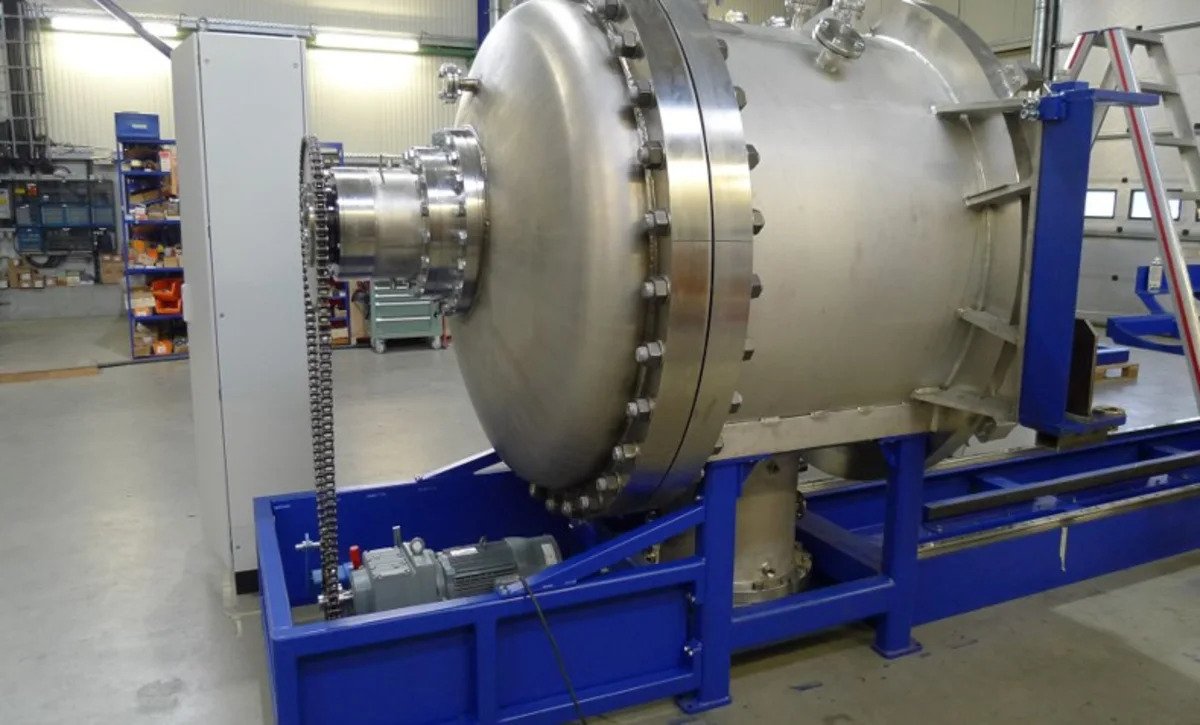
Enter HyProMag, which believes recycling can become part of the solution. Using patented hydrogen-processing technology developed at the University of Birmingham, the company says it can recover high-value neodymium-iron-boron magnet material from end-of-life products while using significantly less energy than conventional production.
More importantly, it isn’t trying to prove the science anymore – it spent the time and money to get the process camera ready. The company’s technology was developed over 15 years with more than $100 million in R&D investment, delivering magnet-to-magnet short-loop recycling that uses 88% less energy and reduces carbon emissions by 85% compared to conventional methods.




