
This is an edition of the Books Briefing, our editors’ weekly guide to the best in books. Sign up for it here.
In biological science, anthropomorphism is best avoided; nonhuman organisms should be studied on their own terms, without human qualities projected onto them. But that rule goes out the window in fiction—especially the kind in which animals are the main characters. As a child, the writer Rachel Vorona Cote was captivated by novels told from the perspective of chatty puppies and noble horses; the “imaginative leap” of making them think prompted her to realize what fiction could do. In an essay this week for The Atlantic, Cote wrote about Paul Yoon’s new novel, Etna, concerning a dog conscripted into a war, as well as other tales that endow animals with an innocence that their bipedal characters lack. But I’d like to recommend a couple of hilarious stories by Franz Kafka (trust me!) that do something very different.
First, here are four new stories from the Atlantic’s Books section:
Many contemporary animal stories, Cote writes, focus on creatures in peril. Etna follows a dog who, after the fighting ends, must make an Odyssey-like journey home. Yoon’s novel shares a theme with Henry Hoke’s 2023 novel, Open Throat, which is told by a mountain lion living in the Hollywood Hills, and with the recent films EO and Flow. All these works feature dignified animal narrators struggling to survive in the mess that people have made of their world. “Etna may lack the privilege of human sovereignty and the benefits of advanced intelligence,” Cote writes, “but he is free of the hubristic delusions that underwrite so much human-produced wreckage.”
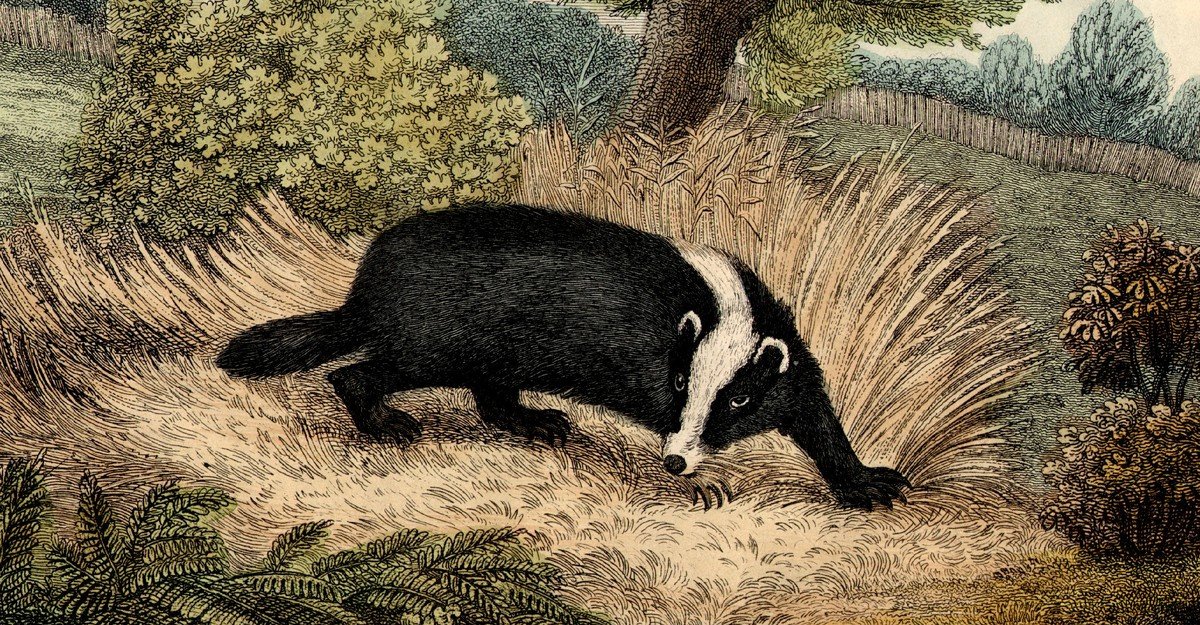
The beasts in two of Kafka’s last works, on the other hand, are full of hubristic delusions. (His most famous animal is probably a giant bug, the protagonist of his novella The Metamorphosis—but that one starts out as a man.) These short stories, which Kafka wrote late in life and never quite finished, feature narrating critters. “Investigations of a Dog” stars a curious and philosophical canine, and “The Burrow” follows a hypervigilant mole (or maybe a badger—he doesn’t describe his appearance much, but we know he’s got issues). The dog story is sometimes read as a satire of academia; the hound proposes elaborate theories to explain where food comes from. Little does he know—because he either can’t see it or chooses not to—that humans exist, and that he and his social, freedom-loving peers are merely pets.
The mole/badger, by contrast, is a fragile neurotic. He has spent years constructing a complicated underground burrow with an impregnable “Castle Keep” at its core. “There I sleep the sweet sleep of tranquility, of satisfied desire, of achieved ambition,” he thinks. “For I possess a house.” We soon learn that this satisfaction is fleeting and illusory. The more the narrator has, the more he has to lose, and he descends into paranoia, imagining that unknown predators will soon destroy him or—worse—his castle. You don’t have to be a post-structuralist like Jacques Lacan (who referenced “The Burrow” in his theoretical writings) to see the mole as an allegory for human accumulation and striving, which has a way of magnifying, rather than easing, existential anxiety. Kafka’s varmints, in other words, are no better than us; they are creatures of both instinct and self-justification, overcompensating for what they don’t know.
And what’s so hilarious about that? Humor is subjective, but animals can generate comedy in the most serious of tales: I find the idea of a house-proud mole or a canine academic pretty funny, and I can’t be alone. The philosopher Aaron Schuster, who wrote a whole book about Kafka’s dog story, called these works “slapstick tragedy.” I think that’s a fair gloss and a good way of describing some of my favorite fiction. These particular stories may introduce us to bizarre mammals, but like any good slapstick tragedy, they leave us laughing and crying over ourselves.
Why Animal Narrators Are All the Rage
By Rachel Vorona Cote
A new novel helps explain why so many storytellers enlist animal narrators to explore humanity.
Read the full article.
What to Read
How Music Works, by David Byrne
Byrne’s book could be called a memoir or a manual, but whether you’re primarily interested in the New Wave pioneer’s career or actually attempting to start yours, the depth of knowledge he shares on the music industry makes this a worthy read. Byrne’s chapters range widely: One covers how the structure of performance spaces can inform the type of music played within; another provides a thorough examination of the development of recording technology (and its effect on music). Perhaps the most revelatory section is the one concerning money: The singer documents in granular detail how much he spent and earned for one record, pulling back the curtain on a process that’s ordinarily very hush-hush. You’ll finish with a greater respect for all that musicians do, whether they’re superstars or just starting out in the back of a bar. — Juliet Izon
From our list: What to read to really understand music
Out Next Week
📚 The Amateur, by Chris Bohjalian
Your Weekend Read

A Brief Exchange That Shows the Enormous Difference Between Trump and Obama
By Sally Jenkins
Suavity is a sorely missed ingredient in the American presidency. The effortless charm of a Roosevelt or a Reagan, a Bush or a Clinton, projected a particular brand of power. Suave means a kind of athletic ease and self-command in difficult, spotlighted circumstances, the assurance that solutions are at hand if only we all hold our composure and act right-headedly. Here was the ultra-suave Barack Obama’s message to the basketball player Caitlin Clark in a small but noteworthy exchange over the WNBA All-Star weekend: It never hurts to be winsome. In fact, it can help you win.
Read the full article.
When you buy a book using a link in this newsletter, we receive a commission. Thank you for supporting The Atlantic.
Sign up for The Wonder Reader, a Saturday newsletter in which our editors recommend stories to spark your curiosity and fill you with delight.
Explore all of our newsletters.



