
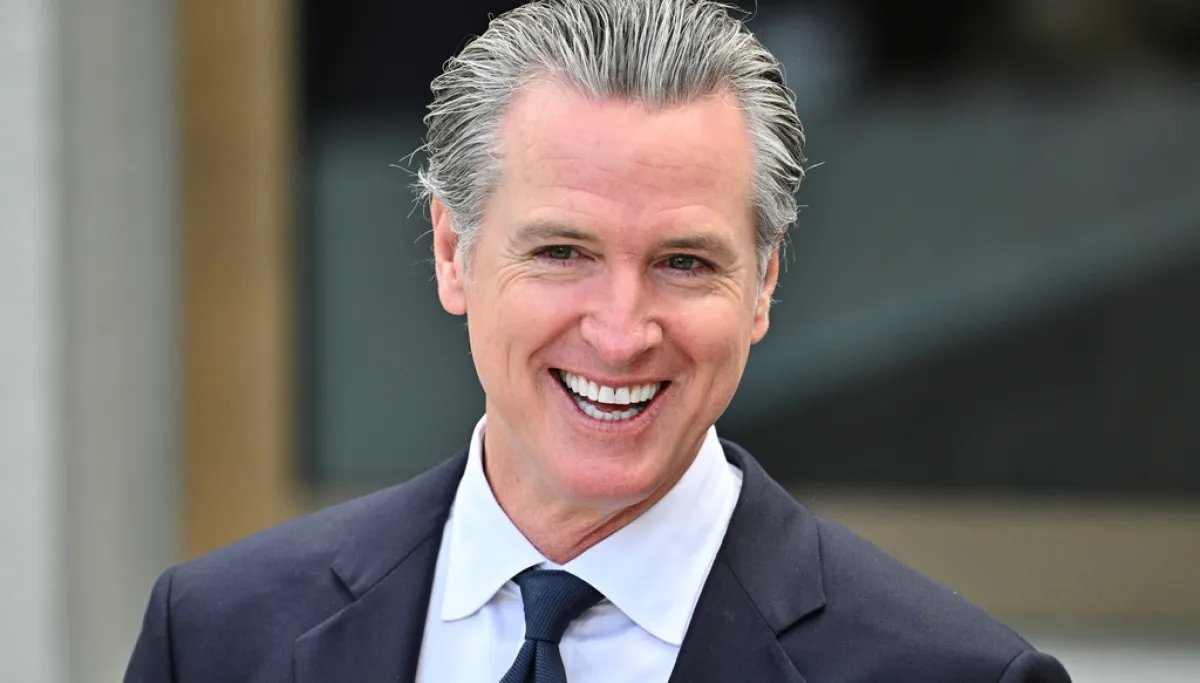
Gov. Gavin Newsom (D-CA) on Friday celebrated the coming increase to the state’s minimum wage, which will give California the highest statewide rate in the country, contrasting the move with the federal minimum wage that has remained unchanged for more than 15 years.
California’s minimum wage will rise from $16.90 to $17.40 an hour on Jan. 1, 2027, Newsom, a possible 2028 presidential candidate, announced. The 50-cent increase will put the state’s baseline wage at nearly two and a half times the federal minimum wage of $7.24 per hour.
“For years, Donald Trump and Republicans have blocked efforts to raise the federal minimum wage while handing tax breaks to billionaires and big corporations,” Newsom said in a statement. “California has chosen a different path — one that rewards work, grows the economy, and puts working families first. We believe if you work hard, you deserve a decent paycheck. They think $7.25 an hour is enough. We don’t.”
The increase is the latest in a series of annual bumps to California’s wage floor. The statewide minimum increased from $16.50 to $16.90 at the beginning of 2026 after reaching $16 in 2024.
California law ties annual increases to inflation, allowing the minimum wage to rise by the lesser of 3.5% of the change in the U.S. Consumer Price Index for Urban Wage Earners and Clerical Workers. The increases follow legislation signed in 2016 that gradually raised the statewide minimum wage to $15 before adjustments took over.
Some California workers already receive substantially more. Fast-food employees covered by a 2023 state law have been subject to a separate $20-an-hour minimum since April 2024. Certain healthcare workers are also covered by a separate wage law that established phased-in minimums depending on the type of facility.
The statewide increase comes as federal minimum wage remains at $7.25, where it has stood since July 2009. Congress has repeatedly considered proposals to raise it, but none have cleared both chambers.
THE DEMOCRATS WHO COULD RUN FOR PRESIDENT IN 2028
California’s push for higher wages has also faced opposition from business groups that warn increased labor costs can translate into higher prices, reduced hiring, or fewer hours for workers. The debate has been particularly pronounced around the state’s fast-food wage law.
Newsom, meanwhile, has increasingly contrasted California’s economic policies with those of the president and congressional Republicans as he raises his national political profile.



