
On a recent stroll by my local Allbirds store in Harvard Square, I had to do a double take. In the window, the brand was advertising its new Varsity collection: a ’70s-inspired sneaker line with a rubber sole and a feminine color palette that weaves together pink, olive green, mustard, and brick red. It’s an unmistakably fashionable shoe that wouldn’t look out of place at New Balance and Saucony, or even Valentino and Celine.
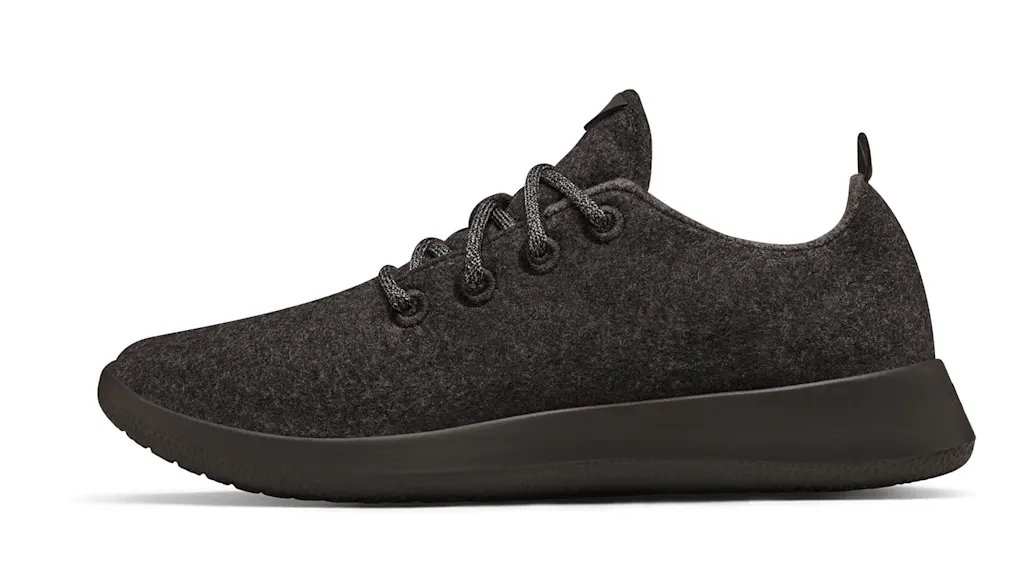
Allbirds, which launched in 2014, isn’t known for chasing trends. It has always led with sustainability, starting with the “wool runner” that quickly became a cult sneaker in tech circles. Over the years, it hasn’t strayed far from this original aesthetic. It’s made high-tops, performance running shoes, and slip-ons with a quiet, minimal design so the focus would remain on the materials.
Allbirds has never marketed itself to sneaker heads, but a decade later, the sneaker landscape looks very different. Sustainability is no longer a differentiator; it’s table stakes. Meanwhile, fashion has swung decisively toward vintage silhouettes, expressive color, and sneakers that feel as considered as the rest of one’s outfit. Against that backdrop, Allbirds began to feel static—and customers, it seems, noticed.

Since going public in 2021, the company’s stock has fallen roughly 80%, leaving it with a market capitalization of approximately $32 million as of early 2026. In 2024, Allbirds reported $190 million in revenue, down from $254 million the year before. More recent financial reports show continued revenue declines and ongoing losses. In January, the company announced it would close all 20 of its full-price U.S. stores by the end of this month as part of a broader effort to cut costs. (Two outlet stores, in California and Massachusetts, will remain open.)
The stakes are high. A brand that once felt like a category disruptor is now in reset mode. Inside Allbirds, the design team isn’t just chasing financial survival—it’s chasing relevance. The company’s comeback strategy hinges on a clear pivot: leaning harder into fashion, targeting women more intentionally, and expanding its aesthetic without abandoning its commitment to sustainability.

Moving Beyond the Wool Runner
The Varsity collection is the clearest expression yet of the brand’s attempt to broaden its visual language without losing its identity. “The question we’ve been wrestling with is how to stay true to what Allbirds is while pushing into new spaces and becoming more relevant to more people,” says Erin Sander, who joined Allbirds a year ago as VP of product and merchandising after a decade at Sorel.
Over the past five years, vintage sneakers have dominated fashion, as heritage brands like New Balance, Adidas, and Saucony dug into their archives to revive styles from the ’70s and ’80s. Varsity draws from that same retro runner tradition—but filters it through the restraint, comfort obsession, and materials philosophy of Allbirds.

Compared with competitors’ chunky soles, Varsity’s rubber outsole is slim and pared back. The silhouette is streamlined rather than bulky. Inside, the shoe is lined with wool, a familiar touch for longtime Allbirds customers.
Where the shoe really distinguishes itself, though, is in its materiality. Most sneakers rely on conventional cotton, leather, and petroleum-based plastics. Varsity, by contrast, is built entirely from more sustainable alternatives. The upper is made from a blend of organic cotton and hemp, a carbon-negative crop. The leather accents come from recycled leather scraps. And the sole is made from a sugarcane-derived plastic.

Developing Varsity has given Allbirds a new design playbook: Take popular, in-demand sneaker styles and retrofit them with lower-impact materials.
That same approach is now extending into more elevated footwear. The company has identified demand for leather sneakers that can plausibly replace dress shoes—and has gone searching for a material that looks and feels like leather without carrying the same environmental cost.
That search led Allbirds to Modern Meadow, whose suede-like material Innovera is made from plant proteins, biopolymers, and recycled rubber. It’s being used in footwear for the first time in the newly launched Allbirds Terralux collection, which includes skater, runner, and vintage-inspired silhouettes.

Speaking to Women
The Varsity collection also reflects a deeper strategic shift. Allbirds is now explicitly designing and marketing with women in mind. While the brand has always had female customers, it has often been perceived as male-coded, partly because it first took off among the male-dominated Silicon Valley set.

When CMO Kelly Olmstead joined Allbirds after two decades at Adidas, she found that this perception doesn’t align with the data. The customer base actually skews slightly female, and this discovery helped her crystalize a new direction. “Women control north of 80% of the purchase decisions in a household,” Olmstead says. “Women need to be top of mind when we’re thinking about what we make, how we make it, and what she wants.”

Color has become a key tool in that repositioning. After years of neutrals and subdued tones, the brand is embracing richer, more feminine palettes—dusty reds, earthy blues, warm yellows—that feel expressive without turning the shoe into a statement piece. “Footwear is an accessory, especially for her,” Sander says.
The brand’s recent marketing reinforces that message by spotlighting women. Its spring campaign features actress Justine Lupe (of Nobody Wants This), editor and TV host Elaine Welteroth, celebrity makeup artist Nikki DeRoest, and entrepreneur Grace Cheng. Olmstead says they embody the Allbirds customer: women juggling careers, families, and social lives, who want footwear that looks polished but works all day long.

For Olmstead, this push to expand the brand’s aesthetic and audience feels like a natural next step. Coming from Adidas, a 75-year-old heritage brand, she sees Allbirds as just emerging from startup mode—and entering a more demanding phase of its life.
“Ten years in, it kind of feels like we’re coming through our teenage years,” Olmstead. “Now it’s about growing up.”



