
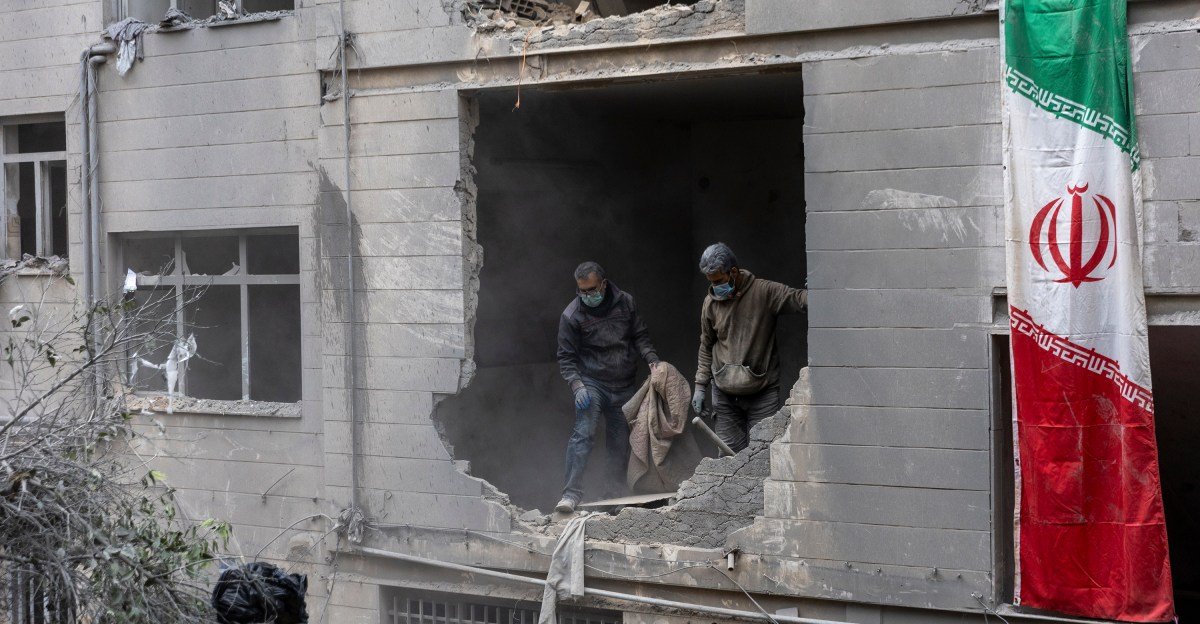
The Iran conflict has demonstrated just how asymmetric modern warfare has become. On one side, you have the United States and Israel making use of frontier military technology, including AI, to utterly devastate Iran’s military, slaughter its leadership, and take command of the skies — all within a few days.
On the other side, you have Iran using cheap drones to force the US and Israel to exhaust their expensive interceptor systems in an attempt to protect a vast swathe of space. It doesn’t matter if Iran loses most of its drones and missiles with every strike; if a few get through and hit a US base, or a Dubai hotel, or a Qatar natural gas facility, Tehran gets the win. As in past asymmetric conflicts, Iran only has to get lucky once; the US and Israel have to be lucky always.
But, for all the drones and the AI targeting, the conflict also illustrates a very old rule of war: Location matters. Or, as Napoleon would put it, “The policies of all powers are inherent in their geography.” Iran’s location gives it huge leverage over the gulf of water that bears its name and the narrow strait through which a quarter of the world’s seaborne oil trade passes — or did, before Tehran leveraged the threat of force to close it.
Geography is fixed; even if the US manages to reopen the strait through force or negotiation, the Iranians will still be there. And now, they, and the rest of the world, know just how potent a weapon they have.



