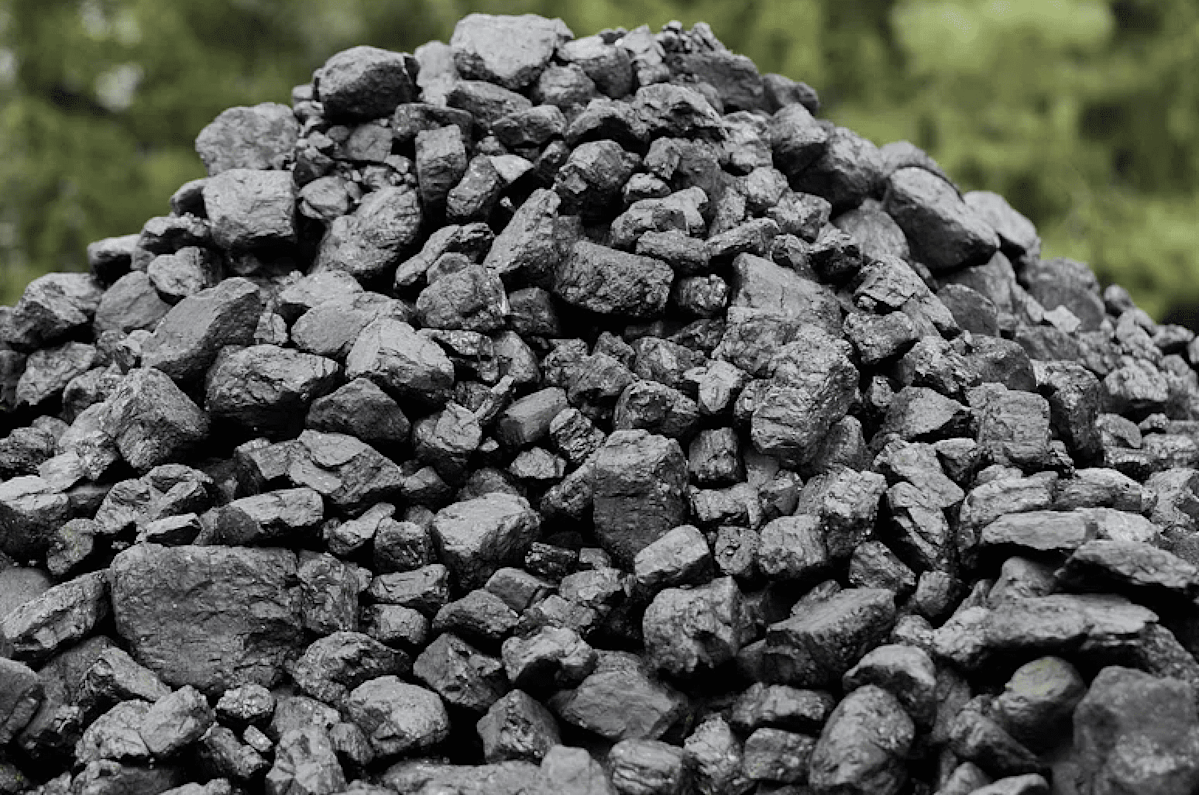
The Trump administration during both its terms has prioritized its efforts on reviving the coal industry by introducing a series of policy changes and executive actions intended to boost coal leasing and production on federal lands. Yet, despite these political moves, coal’s trajectory in the U.S. energy market has followed a different path, shaped more by economic realities than government intervention. Market forces, particularly the rise of cheaper and cleaner energy sources, continue to undermine coal development. Coal once formed the backbone of American electricity production, with its usage steadily rising. However, since peaking in the early 2000s, coal-fired power has sharply declined. In 1950, coal was the dominant source of electricity across the grid, but by 2023, it accounted for only 9% of the nation’s total energy consumption.
John L. Watson A recent manifestation of the malaise is that the federal government rejected the recent “low-ball” bid from the sole bidder (Navajo Transitional Energy Co.) to acquire 167 million tons of coal on federal public lands in Montana. The company bid $186,000 (less than a penny per ton). The failed lease sale would have been the biggest federal government coal sale in more than a decade. The failed Montana coal lease sale vividly demonstrates the lack of interest for coal among utilities generating electricity throughout the country. They are turning to cheaper natural gas and renewables. In spite of the administration’s interest in reviving the coal industry, economists say federal attempts to boost coal are not going to reverse its years-long decline.
In its first term, the Trump administration tried to reverse the coal policies of the Obama administration through various actions, including:
Ending the Federal Coal Leasing Moratorium. A 2016 moratorium, which temporarily halted new coal leases on federal lands to allow for an environmental review, was lifted in March 2017. This Trump administration change reinstated the ability for companies to acquire new leases.
Rescinding New Valuation Rules. The U.S. Department of the Interior (DOI) repealed new rules that calculated royalties for coal extracted from federal land based on the sales price, rather than a lower figure. This move effectively reduced the cost for mining companies to extract coal.
President Trump’s second administration has continued and expanded the pro-coal policies of his first term. In April 2025, Trump signed a series of executive orders to boost the coal industry. These orders declare that “coal is essential to our national and economic security” and direct federal agencies to take several actions, such as: