
by former state Sen. Loretta Weinberg
On the day that the New Jersey Smoke-Free Air Act was signed into law, it was snowing.
I can remember it clearly. The roads were slick and visibility poor on the drive to the bill signing, but that didn’t stop me — or anyone else. People came from every corner of the state, jubilant despite the dreary weather. Restaurant employees, medical leaders, and public health advocates with organizations like the American Cancer Society Cancer Action Network had fought for years to secure smoke-free work environments for New Jerseyans, and I had stood alongside them, championing their fight as the lead sponsor of the Smoke-Free Air Act.
ICE buys warehouse for migrant detention, Roxbury officials say
It is one of the things I am proudest of from my tenure in New Jersey’s General Assembly. But, nearly two decades later, I can’t help but recall that snowy day and the bill’s enactment with mixed emotions.
We brought real, tangible relief to millions of New Jerseyans, but unfortunately, not to all. A loophole in the Smoke-Free Air Act exempted casino workers from protection by allowing their patrons to continue smoking indoors. While I was never happy with this exemption, I always envisioned that we’d be able to close it in future legislation, that once my fellow state leaders recognized the public health and economic benefits of going smoke-free, they would want every one of their constituents to benefit from clean air everywhere. But it never happened. We tried and tried again, but we were stonewalled at every attempt.
At the 20th anniversary of this landmark legislation, we have a new governor, we have a young, vibrant General Assembly, and we have casino employees and public health advocates in need of our support. Ending smoking inside Atlantic City casinos could it clear that New Jersey prioritizes the health of its residents, promotes fact-based policies, and rights wrongs.
Opponents of closing the loophole say that going smoke-free will hurt casinos’ bottom line, but that simply isn’t true. We heard the same thing about restaurants and small businesses when we were trying to pass the Smoke-Free Air Act. Owners were dealt dire warnings and scared into thinking that their businesses were in jeopardy. I think we know how that turned out.
Data indicate that smoke-free laws don’t lead to significant declines in gaming revenue. In fact, casinos that prohibit smoking are now reporting stronger performance compared to those that still allow it. Not only does this bear out in casino revenue but their expenses, too; when casinos force their employees to inhale noxious secondhand smoke all day long, they end up paying more in health, life, and fire insurance as well as workers’ compensation.
The real economic risk on this issue isn’t going smoke-free. It’s clinging to an outdated business model that balks at medical, economic, and employment realities.
Legislation has been introduced that would fully, close the loophole, but there’s also a so-called “compromise” that would allow smoking to continue in designated rooms.
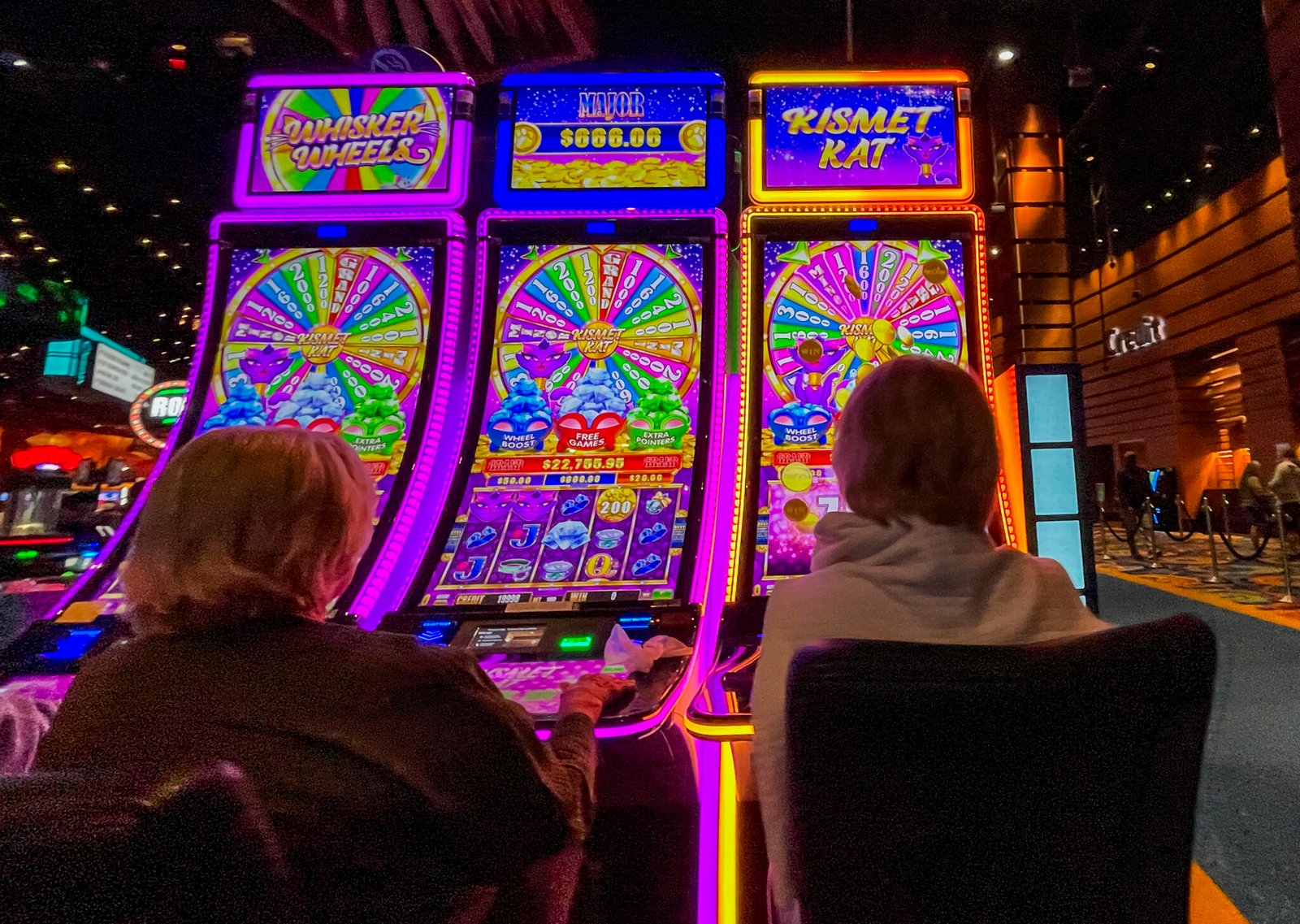
Younger generations have shown us that they like to gamble and visit casinos, but they don’t smoke and don’t want to breathe it from others. They grew up with the Smoke-Free Air Act and are only now — in casinos exclusively — experiencing what it means to be forced to inhale pervasive and toxic secondhand smoke inside. We also have to ask who gets pushed out when casinos remain smoke-filled hotboxes, because exposing workers and patrons to secondhand smoke, which increases the risk of serious disease including cancer, is the opposite of a welcoming and inclusive environment in Atlantic City.
Casinos that remain smoke-filled risk alienating these workers and younger New Jerseyans, the very customers they need to stay competitive in the years ahead. If we don’t adapt, they can and will leave Atlantic City; forthcoming casinos in New York City and the rise of online gambling assure that they have alternatives that won’t jeopardize their lives and lungs.
A lot has happened in the past 20 years to make life for New Jerseyans better. We prioritized workers’ rights by bringing paid family and medical leave to families fighting disease. We recognized the burden that illness places on New Jerseyans by expanding Medicaid. And we promoted clean air by joining the Regional Greenhouse Gas Initiative.
We have it in us to take the next bold step.
Loretta Weinberg represented parts of Bergen County in the Legislature for 30 years. She retired in 2022.
GET THE MORNING HEADLINES.



