
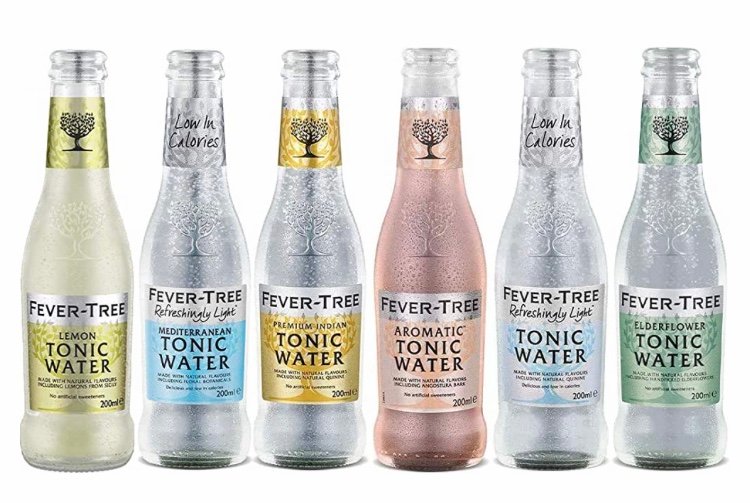
Premium drinks maker, Fever-Tree, has reported a 16% drop in annual profit, after a one-off £2.8m charge over a disputed packaging levy, and cost pressures from its US arm’s partnership with Molson Coors.
The company has initiated a legal challenge against the UK Environment Agency over the Extended Producer Responsibility levy, which it argues should not apply to certain glass formats sold in bars and restaurants.
Fever-Tree said it “remains confident” in its view that select glass formats that it sells in the on-trade should be defined as non-household packaging for EPR purposes, thus being exempt from the levy, in line with the government’s position in relation to other packaging regulations.
In recent weeks, Fever-Tree has launched a legal challenge regarding the charge, arguing that some of its packaging should fall outside the scheme.
Fever-Tree shares fell 5.7% in early trade, but reversed course to trade 2.8% higher by 0850 GMT, according to Reuters.
The company’s overall brand revenue rose by 4% at constant currency in the year to 31 December, accelerating to 5% in the second half as trading momentum improved across key markets. Additionally, it reported that almost half (45%) of its total revenue is now generated from products beyond its core tonic range, including ginger beer, premium sodas and non-alcoholic ready-to-drink (RTD) options.
Meanwhile, tonic revenue slumped by 6%, reflecting falling demand for gin, and continued on-trade pressures.
In the UK, the business saw revenue fall by 2% down to £108.4 million, although performance did tick up during the second half of 2025.
Looking globally, a major focus during the year was its US business, where a new partnership with Molson Coors marked what CEO Tim Warrillow described as “a significant opportunity to take Fever-Tree to the next level”.
Fever-Tree now reports a share of profits from the US rather than full operating margins, with the agreement expected to support faster growth from 2026 alongside increased marketing investment.
Regional performance was a mixed bag. US revenue rose by 6% at constant currency, while Europe recorded 2% growth and the Rest of the World saw a 22% increase.
Financially, the group reported adjusted EBITDA of £42.4m, or £45.2m excluding a £2.8m provision linked to the UK’s EPR levy.
Looking ahead, Fever-Tree said it remains mindful of wider economic and geopolitical uncertainties but is well-positioned on input costs through 2026 and into 2027. The company added it is “comfortable” with current market expectations for the coming financial year.
Tim Warrillow, CEO and co-founder of Fever-Tree, said: “2025 was a pivotal year for Fever-Tree. The strategic partnership with Molson Coors in the US creates a significant opportunity to take Fever-Tree to the next level in our largest growth market. The transition has progressed well, and it has been particularly encouraging to see that underlying brand momentum has remained strong throughout.
“Across our markets, the long-term trends shaping adult socialising, namely premiumisation, moderation and longer, lighter serves, continue to play directly to our strengths. Fever-Tree is increasingly enjoyed as the world’s leading premium mixer, but also as a premium soft drink. Products beyond tonic now represent 45% of Group revenue, a clear sign that our diversification strategy is resonating with consumers.”



