
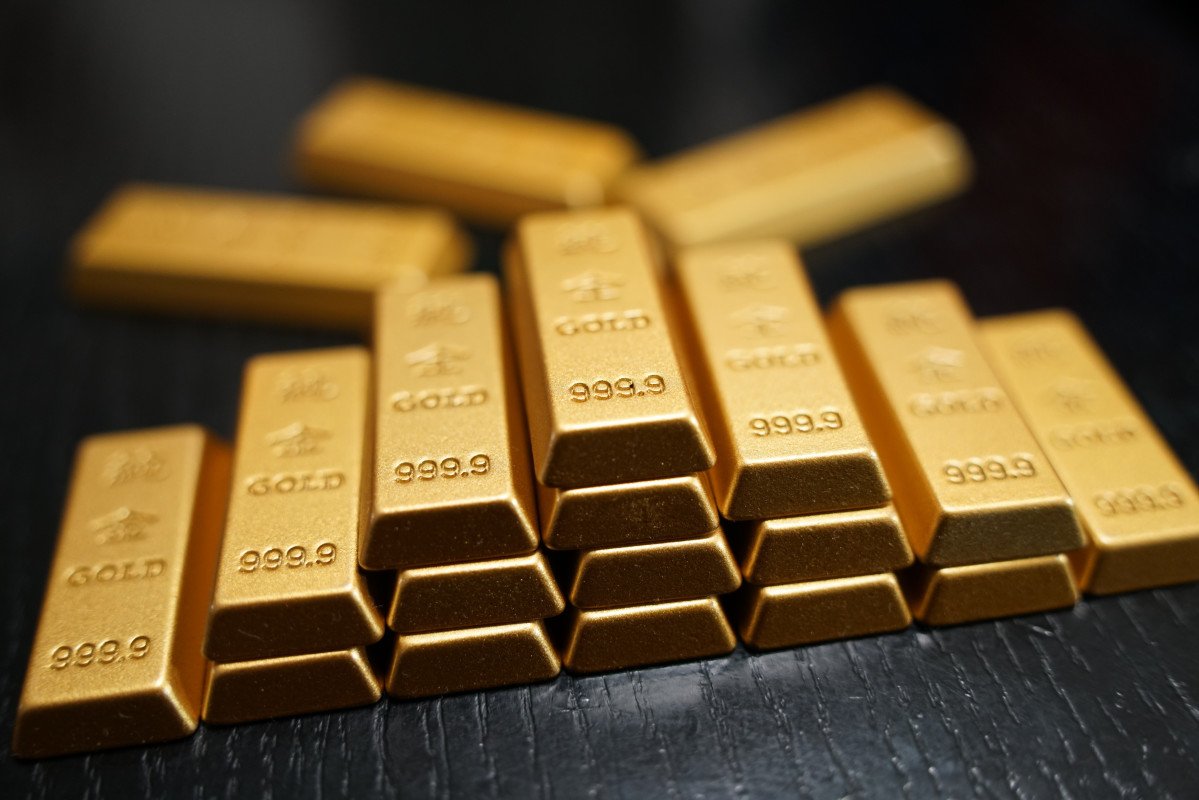
Spot gold prices extended their gains on Wednesday, March 25. This upward movement follows a severe drop, ending a nine-day losing streak overnight.
According to Bloomberg analyst Katie Greifeld, gold recently suffered its worst run, falling for 10 consecutive days.
The precious metal tumbled 27% from its January all-time high, hitting a low of $4,090.
At that point, it found support at its 200-day moving average, a popular technical indicator for long-term trends.
By early Wednesday trading, gold hovered near $4,564 an ounce. Gold prices sank as much as 15% this month overall.
Related: Major gold holder announces first full audit after years of scrutiny
This extreme market volatility stems from escalating overseas conflicts that began over three weeks ago.
Following an attack by the U.S. and Israel, Iran launched strikes across the UAE, Qatar, and Saudi Arabia. This damaged energy infrastructure and pushed oil prices to four-year highs.
Currently, Iran maintains a tight grip on the Strait of Hormuz, while Israel continues strikes on the Islamic Republic.
Meanwhile, Iran will not accept a ceasefire proposal from the United States, according to Iranian state media on Wednesday (March 25).
The FARS News Agency, quoting an informed source, reported increased US efforts to implement a ceasefire and start indirect talks. These efforts aim to end the war that began on Feb. 28 with US and Israeli strikes on the Islamic Republic, CNBC reported.
“Iran does not accept a ceasefire,” the source told FARS, according to a translation of the news site’s Telegram page.
Earlier on Wednesday, the Associated Press reported that Iran had received President Donald Trump’s 15-point peace plan. While Trump stated on Tuesday that the US and Iran are currently in negotiations, Iran has publicly denied any direct talks are taking place.
Rising energy costs have sparked major inflation fears, leading investors to bet on higher interest rates.
This environment hurts non-yielding assets like precious metals. Furthermore, falling global stocks and bonds forced investors to sell bullion to raise cash.
Central banks, which drove a multiyear bull run starting in 2022, are also shifting strategies.
Turkey’s central bank is reportedly preparing to tap its vast bullion reserves and discussing gold-for-foreign-currency swaps in the London market to defend the lira.
Source: finance.yahoo.com



