Published March 3, 2026 06:00AM
For many triathletes, the most stressful part of training isn’t the intervals, the early alarms, or the long days; it’s what awaits them on the roads. Distracted drivers, narrow shoulders, rising traffic volume, and increasingly aggressive driving behavior have turned what should be aerobic training into a daily risk calculation. According to the Insurance Institute for Highway Safety (IIHS), over 1,100 bicyclists are killed and approximately 40,000 to 50,000 are injured annually in the United States after crashes with motor vehicles.
While indoor trainers have become a go-to safety solution, not every ride (or every athlete) thrives inside. Long aerobic miles, skill development, and mental freshness often suffer when every session is confined to four walls.
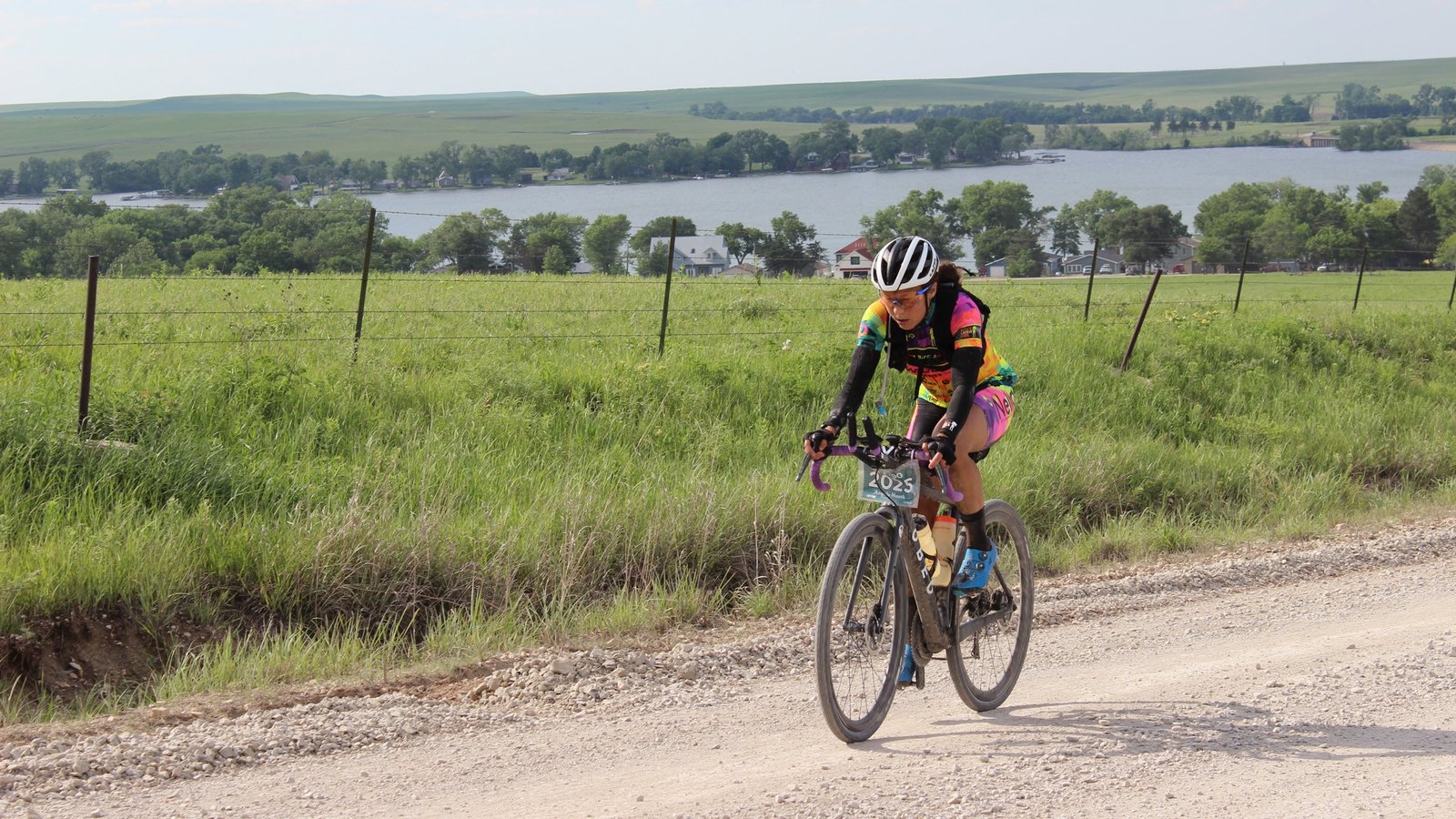
But there’s another option gaining traction among triathletes looking to stay safe and sharp: gravel riding. Once viewed as a niche discipline or an off-season diversion, gravel has quietly become a powerful training tool for road triathlon, offering low-traffic environments, long uninterrupted miles, and physiological benefits that translate directly to race day.
Why triathletes are looking for an exit ramp from riding on the road
Cycling remains one of the most dangerous endurance sports to train for outdoors. Even experienced riders with strong situational awareness are vulnerable when sharing roads with high-speed vehicles. For triathletes – many of whom train alone, early in the morning, or on rural roads – the risk compounds quickly.
It’s no surprise, then, that athletes are actively searching for alternatives. Many triathletes who discover gravel don’t do so chasing podiums or adventure. Instead, they do it out of necessity.
“I was constantly on edge during weekday rides,” says Darleen McNar of Beaverton, Ore., who now does most of her aerobic volume on gravel. “On gravel, I can settle into effort, focus on fueling, and actually execute the workout.”
Jane Henderson, of Marquette, Mich., who is training for a half-distance race, described gravel as “the first time riding felt restorative again – not something I had to mentally brace for.”
That psychological shift matters. Reduced stress lowers overall training load, improves consistency, and makes it easier to accumulate the volume required for long-course success.
Gravel grinding makes you strong
Elite triathletes are reaching the same conclusion. Eric Lagerstrom, co-founder of That Triathlon Life, has incorporated gravel riding into his training for years – not as a replacement for structured work, but as a way to stay strong, consistent, and motivated.
“Gravel riding opens up a whole new world of route possibilities to keep training fresh and inspiring,” Lagerstrom says. “Beyond that, I actually find it easier to put out consistent power while riding gravel because the rolling resistance is so much greater. Gravel ‘grinding’ is a real thing – and it can make you incredibly strong when translated back to the road.”
The concept of “grinding strength” is exactly what makes gravel so valuable for triathletes. The surface naturally dampens speed and rewards steady-force application, encouraging the kind of muscular endurance required for long-course racing.
Lagerstrom is also clear about where gravel fits best. “We generally don’t do workouts on gravel,” he explains. “But general endurance rides, soul rides, recovery days – they’re all fair game and have kept us in love with the bike all these years.”
That balance mirrors how many successful age-groupers are using gravel: not to replace race-specific training, but to make the rest of the work better and safer.
The physiological upside of gravel training for triathletes
As a triathlon coach, I have seen firsthand how gravel offers several advantages that road riding can’t always match.
More honest power
Loose surfaces naturally smooth out surges. Athletes tend to ride steadier, with fewer spikes, which mimics the metabolic demands of long-course racing. Power variability drops, even when terrain changes.
Higher muscular demand at lower speed
Yes, you will go much slower when riding on gravel. But speed is irrelevant in training. What matters is time spent in your training zones, muscular tension, and fueling practice under load. Gravel increases resistance without requiring higher speeds, similar to how trail running develops strength without putting the body through the impact of running on pavement.
Improved bike handling and stability
Gravel rewards relaxed upper bodies, smooth torque application, and balance. These are all skills that pay dividends in windy conditions, technical aid-station riding, and late-race fatigue when form starts to unravel.
Mental durability
Long gravel rides demand focus, adaptability, and patience. There’s no constant feedback loop of speed, only effort and execution. That mental skill set transfers directly to race day.
How to adapt triathlon training to gravel riding
Gravel riding doesn’t require a complete equipment overhaul or a personality change. Just a few tweaks to your current setup could be all that’s required.
Gear
A gravel bike is ideal, but many triathletes start with endurance road bikes with wider tire clearance or modern all-road setups. Also, expect to run wider tires (38–45 mm) at lower pressure. Comfort and traction matter more than aerodynamics.
Pacing
Think in time and effort, not speed. Gravel routes are rarely consistent, so power or rate of perceived exertion (RPE) becomes your anchor.
Fueling
Gravel rides often last longer than expected. Practice fueling early and consistently, especially if training for half or full-iron distances. For more on this, check out sports dietitian Susan Kitchen’s guide to fueling for off-road adventures.
Translating gravel fitness to triathlon racing
One of the biggest misconceptions is that gravel riding compromises race-specific preparation. In reality, it complements it. Successful triathletes use gravel strategically:
Road-specific sharpening for race-pace work, aero position practice, and cadence refinement still matters. But those sessions don’t need to make up every ride.
In other words, I encourage triathletes to think of gravel as expanding their training toolbox, not replacing it.
Gravel isn’t an escape, it’s an upgrade
Triathletes don’t need more bravado about riding in traffic. They need sustainable ways to train consistently, confidently, and safely. Gravel offers exactly that, thanks to fewer cars, longer uninterrupted efforts, lower stress, and stronger bodies.
For triathletes willing to rethink where they log their miles, swapping bike lanes for gravel roads isn’t a compromise. It’s a competitive advantage.