
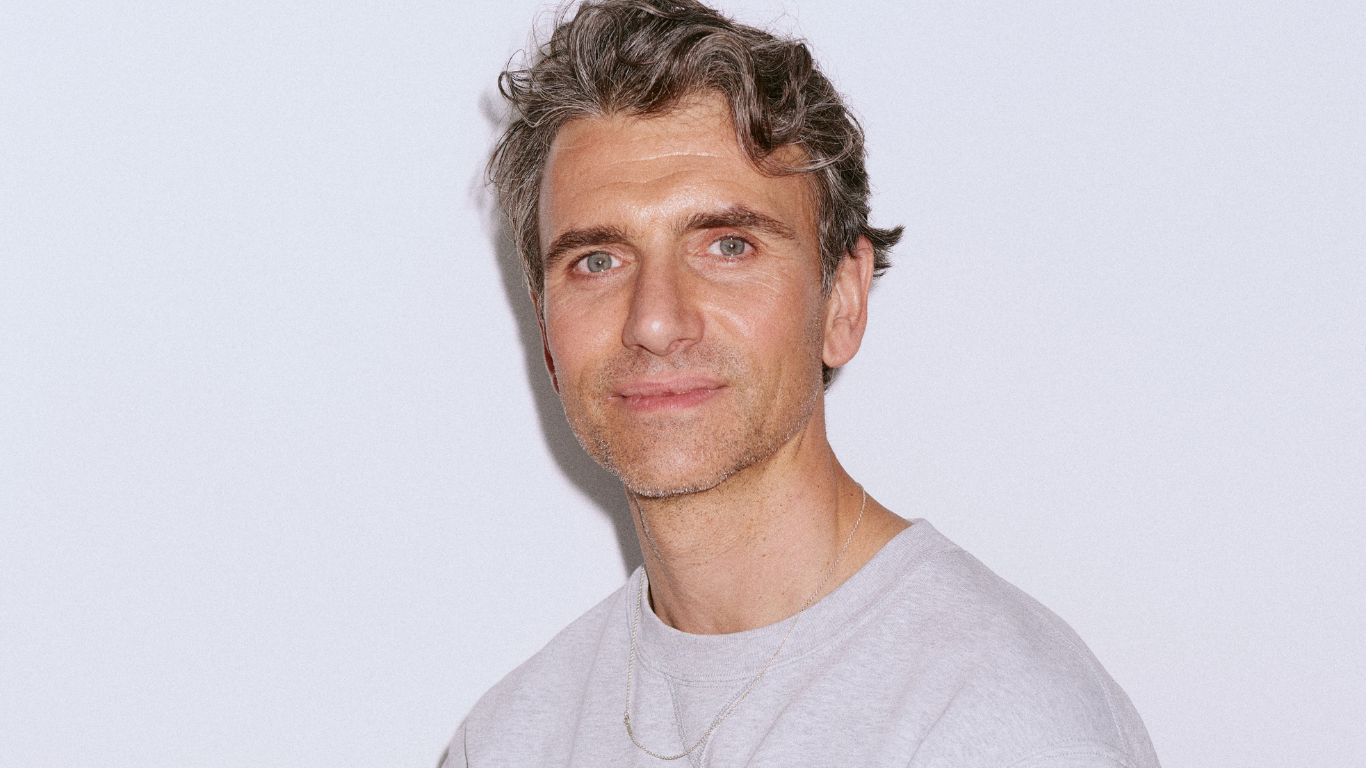
British handbag brand Radley is currently undergoing a period of transformation, supported by Creative Director Fernando Soriano Iglesias.
Now more than a year into his role, Soriano Iglesias – who has previously worked with brands including Loewe and Carolina Herrera – is focusing not only on the aesthetic appeal of Radley’s handbags but also on functionality.
His first designs for Radley, including the Chancery and Christina bags, were introduced for the AW25 season, while his full creative vision is showcased in the SS26 collection.

Soriano Iglesias shares insights into his early experiences in fashion, the most valuable skills and lessons he has learned, his approach in his current role, and more.


Have you always had an interest in fashion? Why does it appeal to you and why did you want to work within it?
Yes, I’ve always been drawn to fashion, but for me, it was never just about clothes. It was about storytelling, culture and identity. Fashion sits at the intersection of art, design and everyday life, and that’s what fascinated me early on.
What appeals to me most is its ability to communicate something emotional and immediate. A well-designed piece can express confidence, personality, even a moment in time. I’ve always been interested in how aesthetics, craft and narrative come together to create something meaningful.
Working in fashion allowed me to explore creativity in a very dynamic environment. It’s an industry that constantly evolves and reflects wider cultural shifts, which means there is always something new to learn, reinterpret or challenge.
Tell us about your first job in fashion. What drew you to the role? What was the experience like?
My first role in fashion was an incredibly formative experience. What drew me to it was the opportunity to be close to the creative process while also understanding how a brand operates in the real world.
Early in my career, I had the chance to work within strong design-led environments, including time at Loewe and Calvin Klein, where I was exposed to very different approaches to brand identity and creative direction. Being surrounded by talented teams taught me the importance of discipline, precision and clarity of vision.
The experience was intense but incredibly inspiring. Fashion moves quickly and expectations are high, but that environment teaches you resilience and sharpens your instincts. It also gave me a deep appreciation for craftsmanship, collaboration and the amount of thought that goes into every product and collection.
What were the most valuable skills or lessons you gained from that first experience?
One of the most important lessons was learning that creativity needs structure to thrive. Inspiration is essential, but great design also requires focus, discipline and the ability to translate ideas into something tangible.
I also learned the importance of collaboration. Fashion is never the work of one person; it’s the result of many talented individuals working together across design, product development, marketing and retail.
Another key skill was developing a strong point of view. In a creative industry, clarity of vision is crucial. You have to understand what a brand stands for and ensure every decision supports that identity.

Tell us about your current role. How did you get here and what do you most enjoy about it?
As Creative Director at Radley, my role is to shape the creative vision of the brand across product, storytelling and overall aesthetic direction. It’s about ensuring that everything we do reflects Radley’s heritage while also moving the brand forward in a relevant and exciting way.
My journey here has been built through years of experience working with different brands and creative teams. Each step helped me refine my perspective on design, branding and how to build a strong emotional connection with customers.
What I enjoy most is the ability to guide the bigger creative picture. From concept to product to campaign, it’s incredibly rewarding to see ideas evolve and come to life. I also love working with talented teams who bring energy, expertise and new perspectives to the process.
If you could go back and give your younger self one piece of advice at the start of your career, what would it be – and why?
I would tell my younger self to trust their instincts and be patient with the process. Early in your career, it’s easy to feel that you need to move quickly or prove yourself immediately, but creativity often develops through experience and observation.
I’d also say: stay curious. The most valuable inspiration often comes from outside fashion – from art, architecture, travel or culture. Keeping an open mind helps you develop a richer and more distinctive creative voice.
What does the next chapter of your own career look like and how are you hoping to grow from here?
For me, the next chapter is about continuing to evolve creatively while helping build brands with strong, authentic identities. I’m interested in exploring how heritage and modernity can coexist – how brands with history can remain culturally relevant and emotionally engaging for new generations.
I’m also passionate about nurturing creative teams. Mentorship and collaboration are incredibly important, and helping others grow creatively is something I find very rewarding.
Ultimately, I hope to continue shaping work that feels thoughtful, well-crafted and culturally meaningful.
Has there been a person in fashion that you have always admired and why?
There are many people in fashion whose work I admire, but what consistently inspires me are creatives who have a clear and enduring vision. The designers and creative leaders who stand out are those who understand their brand deeply and build a strong narrative around it.
What I admire most is the ability to balance creativity with clarity – to create work that feels distinctive while still connecting with people emotionally. Those kinds of leaders remind us that fashion is not just about trends, but about ideas, craftsmanship and cultural expression.



