 WASHINGTON — Republicans on Capitol Hill are moving steadily to weaken energy-efficiency standards for a host of products, from home appliances and gear to mobile homes, and end programs that cut Americans’ power costs.
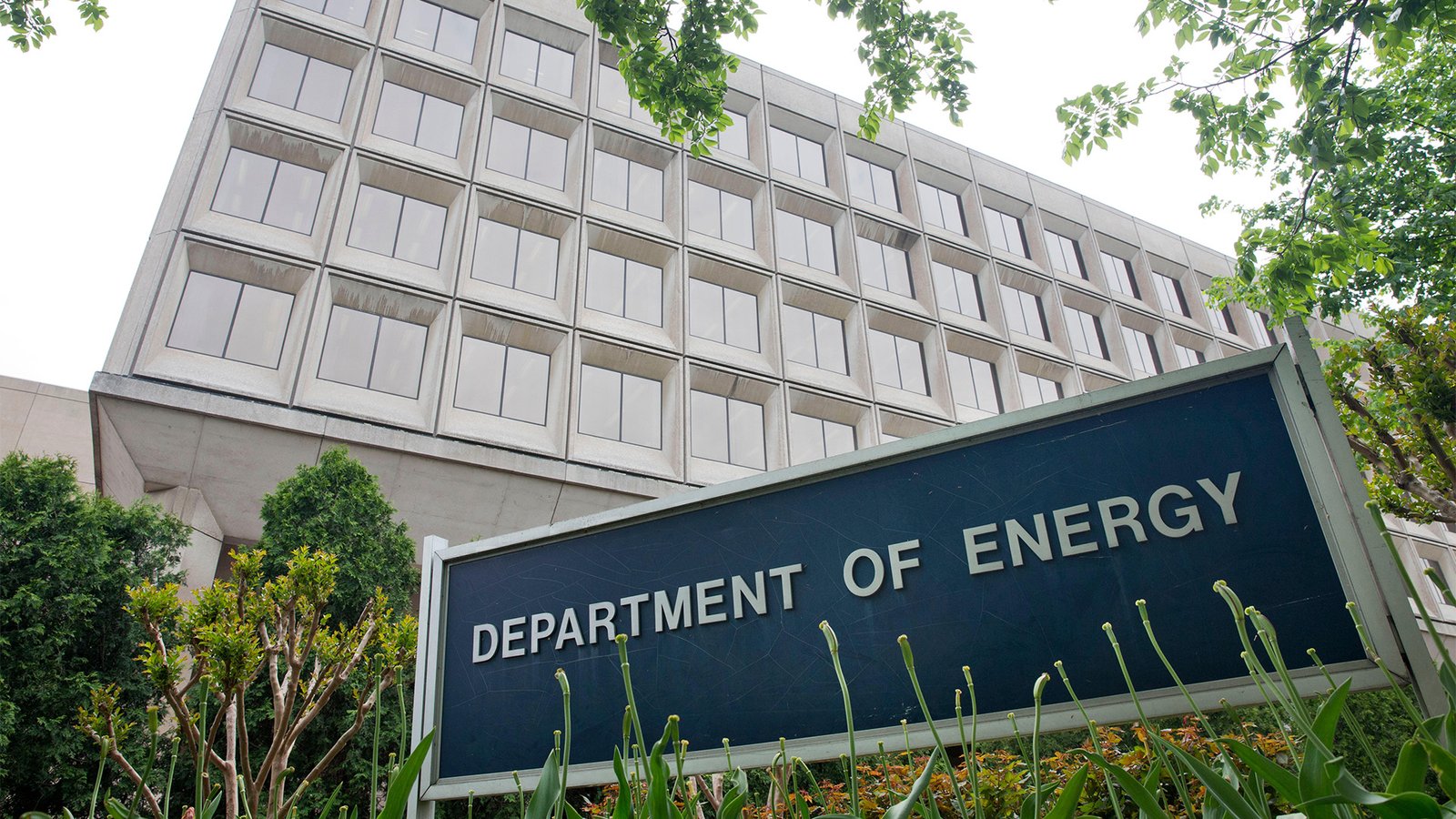
On Tuesday, the House voted 217-190 on a bill (H.R. 4626) to empower the Trump administration to “evaluate” energy efficiency standards on scores of products every two years. The Department of Energy could revoke standards that it deems not “technologically feasible and economically justified.”
A day later, the House passed a separate bill to repeal Biden-era programs, including rebates for low- and middle-income homeowners to save money by making their homes more efficient, perhaps with better insulation or heat pumps.
“The families get a rebate,” Rep. Frank Pallone (D-6th), the top-ranking Democrat on the House’s Energy and Commerce Committee, which has jurisdiction over consumer products and electricity issues, said during floor debate. “It helps families better afford appliances for their homes.”
That bill (H.R. 4758) passed 210-199. Pallone and every Democrat in New Jersey’s delegation voted against it and the energy-standard bill. The state’s three Republicans — Jeff Van Drew, Chris Smith and Tom Kean Jr. — voted for it.
$14,000 in upgrades
Republicans in Congress are shepherding these and other bills into federal law as costs of living, particularly electricity expenses, remain one of voters’ top concerns nationwide.

In debate, Republicans framed their bills as ways to protect consumer choice and lower homeownership barriers “We must repeal these costly green energy mandates,” said Rep. Craig Goldman of Texas, the lead sponsor of the bill to end the rebate program. “We must restore the American Dream of homeownership.”
The rebate program is optional, not a mandate, and it’s implemented by states. It covers up to $14,000 in upgrades like electrical wiring for new appliances, new windows, insulation and air seals, according to Sears Home Services.
“These rebates are beginning to help families around the country make home energy upgrades that cut their utility bills,” Jennifer Layke, executive director of the American Council for an Energy-Efficient Economy, a nonpartisan advocacy group, said in a statement. “Pulling the rug out from under this program as so many face rising energy costs is callous.”
If the energy-efficiency standard bill becomes law, the Department of Energy secretary — a political appointee — could nix energy standards for scores of appliances across 70 categories.
Costly old technology
“Stalling efficiency progress and even going backward would only increase utility bills for families struggling with high costs today,” said Andrew deLaski, executive director of the Appliance Standards Awareness Project, a watchdog group. “This bill would keep old, energy-wasting technologies on the market, increasing strain on the electric grid and locking in higher energy costs.”
A Democratic-majority Congress wrote the law that created the department’s energy standard program and President Gerald Ford, a Republican, signed it into force in 1976. The standards saved U.S. households and businesses $105 billion in 2024, with an average $100 for households, according to the department.
This Congress has made a priority of defunding the Biden administration’s energy, environmental and climate programs.
In a sweeping tax bill that became law, Republicans included deep cuts to Biden-era funding and programs, repealing money that had been set aside to invest in low- and zero-carbon energy sources.
The law, by cutting these programs and funding sources, is expected to raise electricity prices in the coming years, independent analysts said.
That bill ended federal tax credits for a popular rooftop solar program, prompting a rush in New Jersey to install panels before the end of 2025.
Lawmakers have also advanced bills to keep aging, often expensive-to-run, power plants online, and to eliminate a federal program to trap the emissions of methane, a highly-potent greenhouse gas. That Environmental Protection Agency program had support from the oil and gas industry.
The House has debated seven bills about appliances in the last year, Pallone said. “When I am back home in New Jersey talking to my constituents, no one ever brings up shower head flow or how much water their dishwasher uses,” he said.
Another bill (H.R. 5184), to rescind efficiency standards for manufactured homes, commonly called mobile homes, passed the House in January. Van Drew, Smith, Kean and Rep. Nellie Pou (D-9th) voted for that bill.
Spokespeople for the four representatives didn’t respond to requests for comment.
The bill, by canceling mobile home efficiency standards, could raise annual energy costs by an average $475, according to the energy efficiency council.
On her first day in office, Gov. Mikie Sherrill, a Democrat, signed two executive orders on utilities costs. One empowered the New Jersey Board of Public Utilities, the state body that regulates power companies, the legal capacity to freeze rate hikes. The other directed the board to solicit new forms of electricity.
Thirty-five percent of respondents in December told Gallup, a public-opinion research group, that economic problems are the most important issue facing the U.S., while 11% said “the high cost of living” and inflation was the top problem.
During his State of the Union address on Tuesday, President Donald Trump said falsely there is no inflation in the U.S. economy and blamed Democrats for inflation during and in the immediate aftermath of the COVID-19 pandemic.
“Moving forward, factories, jobs, investment and trillions and trillions of dollars will continue pouring into the United States of America because we finally have a president who puts America first,” Trump said. “I put America first. I love America.”
The annual inflation rate dipped to 2.4% in January, down from its recent peak of 9.1% in June 2022 and 3%, the mark when Trump took office last year.