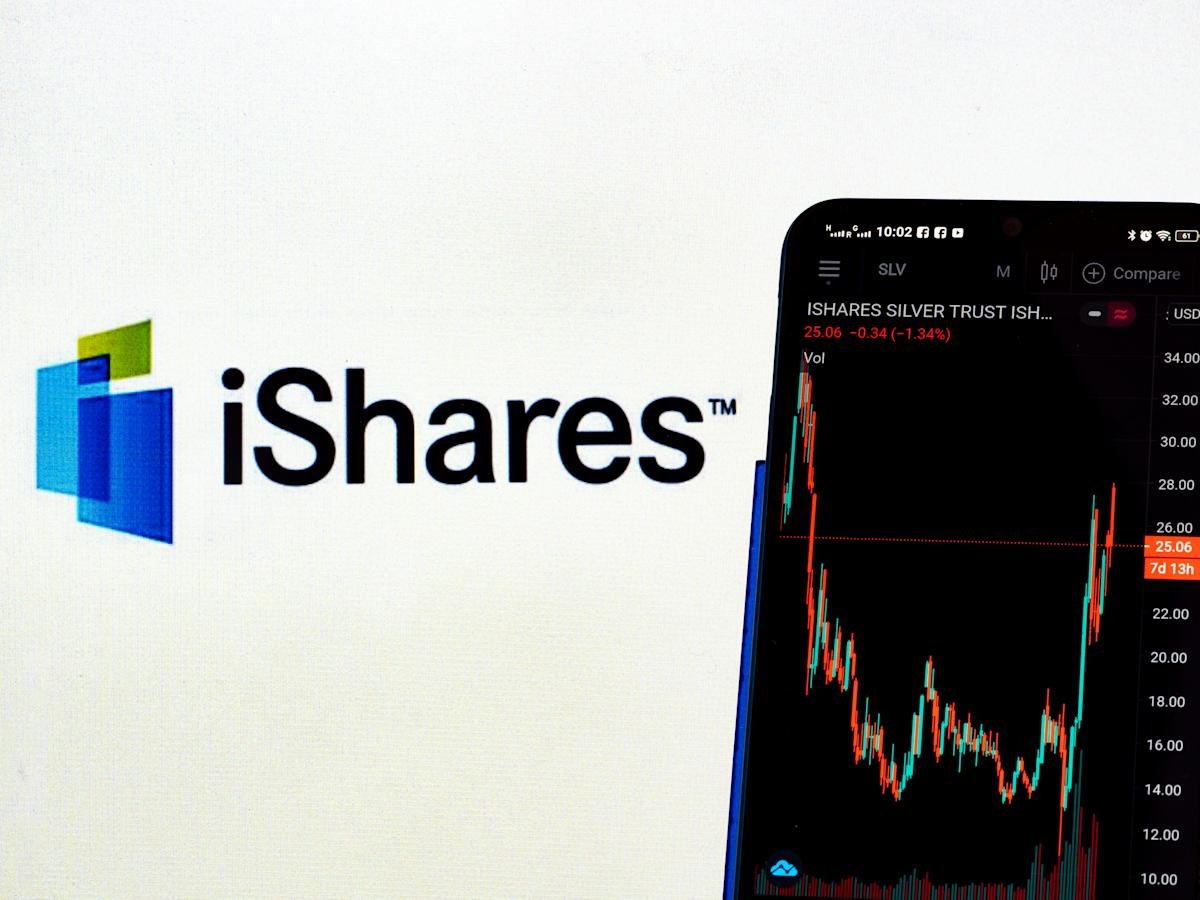
While gold’s (GC=F) climb toward $5,300 grabbed investors’ attention in 2025 and 2026, silver (SI=F) ripping past $90 an ounce stole the headlines.
There’s a clear reason for the run-up. Silver now sits at the center of the green economy. High-efficiency solar panels use heavy silver loads, and EVs require roughly twice as much silver as gas-powered cars.
And ongoing tariff jitters following Trump’s return to the White House continue to fuel interest in precious metals as investors seek stability in alternative assets to hedge against inflation and protect against a weakening dollar.
If you were buying silver at $20, you’re sitting on serious gains. In just one year, silver is up a whopping 180%. If you bought silver in 2006, you’re looking at a gain of more than 790%.
The bad news? The IRS doesn’t treat your silver like a tech stock. If you don’t plan ahead, you could hand over up to 28% — or more — of your profits. Here’s what you need to know.
Read more: Why is silver outperforming gold? What to know before you invest.
Yes. Silver is a capital asset, so when you sell it for more than you paid, the gain is taxable and reported on Schedule D of your federal return.
Many investors assume holding silver for more than a year qualifies them for the same long-term capital gains rates as stocks (0%, 15% or 20%).
Spoiler: It doesn’t.
The IRS classifies physical precious metals — including bars, rounds, and coins — as collectibles. That classification changes the tax math in a big way.
If you hold silver for one year or less, your profit is taxed as ordinary income. Depending on your tax bracket, that could go as high as 37%.
If you hold silver for more than one year, your gain is taxed at your ordinary income rate — but no more than 28%.
Here’s what that looks like in real life:
If you’re in the 10%, 12%, 22% or 24% bracket, your silver gain is taxed at that same rate.
If you’re in the 32%, 35% or 37% bracket, you’re capped at 28%.
So if you’re a middle-income earner accustomed to paying 15% on stock gains, silver can cost you more, maybe 22% or 24%, depending on your adjusted gross income.
If you’re in the top brackets, the 28% cap is technically a discount versus 35% or 37% — but it’s still higher than the 20% max long-term capital gains rate on stocks.
That difference adds up quickly when you’re talking five- or six-figure gains.
Read more: Silver price volatility: What to know and how to invest
Some investors skip physical bullion in favor of buying exchange-traded funds like the iShares Silver Trust (SLV) or the abrdn Physical Silver Shares ETF (SIVR).
These ETFs trade like stocks. They feel like stocks. But for tax purposes, most physically backed silver ETFs are structured as grantor trusts. The IRS effectively “looks through” the fund and treats it as if you own the precious metal itself.
In other words, you’re still…
Source: finance.yahoo.com