
The escalating war in the Middle East so far has not appreciably disrupted global pharmaceutical supply chains, but with no clear end in sight, the potential exists for the conflict to change the calculus for production, shipping, and, ultimately, pricing for different medicines in different countries, according to industry experts.
For now, the greatest impact is likely to occur in the immediate region, where only a smidgen of the world’s medicines and active pharmaceutical ingredients — 0.3% and 0.6%, respectively — are produced, according to US Pharmacopeia, an independent organization that develops standards for medicines and tracks global supplies.
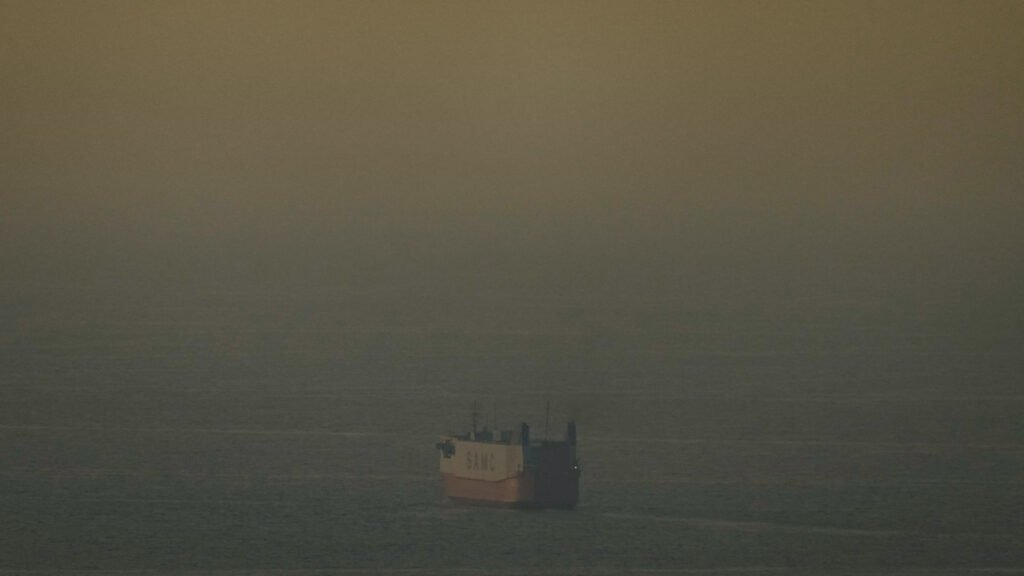
Nonetheless, the conflict is already disrupting key global shipping and air corridors, suggesting manufacturers — especially those in India and the European Union that are vulnerable to closures in the Strait of Hormuz — will need to find alternate transportation routes. And this raises expenses that may eventually get passed on to customers.

This article is exclusive to STAT+ subscribers
Unlock this article — plus in-depth analysis, newsletters, premium events, and news alerts.
Already have an account? Log in
View All Plans



