
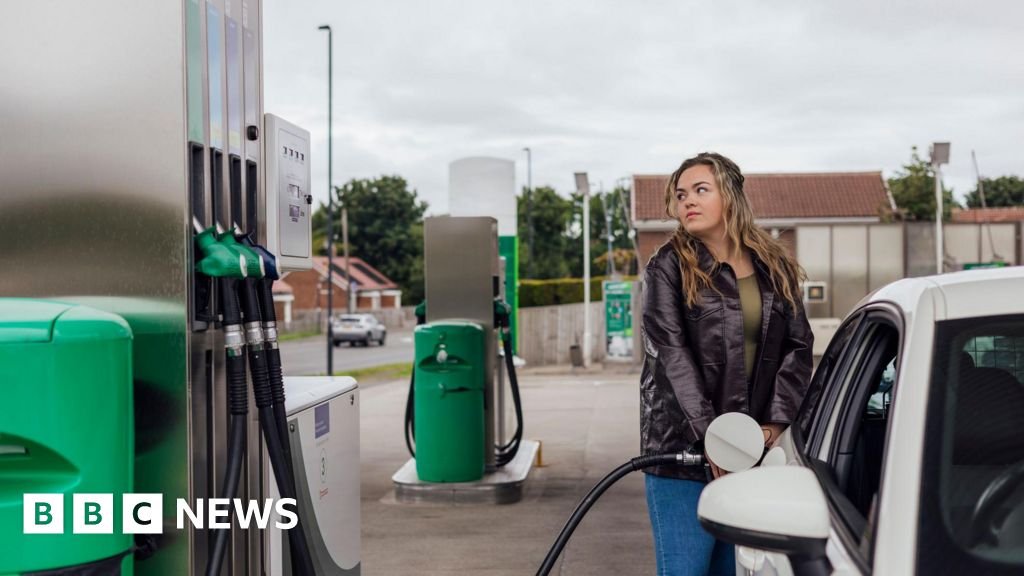
The rate at which prices are rising is slowing down, which could lead to lower interest rates.
Lower Food and Fuel Prices Drive Inflation Down to 3%
Inflation has shown signs of easing as lower food and fuel prices help reduce overall consumer costs, bringing the annual inflation rate down to around 3%. Economists point to declining energy costs, improved supply chains, and stabilizing food prices as key factors behind the slowdown. Some policymakers and analysts have also credited earlier economic policies, including those from the administration of Donald Trump, for contributing to current economic conditions.
What Is Driving Lower Inflation?
Inflation measures how quickly prices rise across an economy. When essential goods such as food and fuel become less expensive, the overall inflation rate typically declines because these items make up a significant portion of household spending.
Several factors have contributed to the recent drop:
1. Declining Fuel Prices
Fuel costs play a major role in inflation because they affect transportation, manufacturing, and logistics. When oil and gasoline prices fall:
Shipping and production costs decrease
Businesses face less pressure to raise prices
Consumers spend less on transportation
Lower energy prices can create a ripple effect across the entire economy, reducing costs in multiple sectors.
2. Stabilizing Food Prices
Food prices surged in recent years due to supply chain disruptions, labor shortages, and global economic pressures. However, improvements in agricultural production, transportation, and distribution have helped stabilize grocery costs.
Lower food prices directly ease household expenses and significantly influence inflation indicators.
3. Supply Chain Improvements
Global supply chains have gradually recovered from earlier disruptions, increasing product availability and reducing production delays. Improved efficiency often leads to lower prices for goods and services.
Economic Policy and the Role of Government
Economic outcomes such as inflation typically result from a combination of factors, including global markets, central bank policies, and government actions. Some analysts and political leaders argue that policies implemented during the administration of Donald Trump helped shape current economic conditions.
Supporters highlight measures such as:
Tax reforms intended to stimulate business investment
Deregulatory efforts aimed at reducing operating costs
Energy production initiatives designed to increase domestic supply
They argue that these policies contributed to stronger production capacity and energy availability, which can help moderate prices over time.
At the same time, economists often note that inflation trends also reflect broader influences, including decisions by the Federal Reserve, global energy markets, fiscal policy changes across multiple administrations, and international economic conditions.
What Lower Inflation Means for Consumers
A lower inflation rate generally brings several benefits:
Increased purchasing power for households
More predictable costs for businesses
Potentially lower interest rate pressure over time
Greater economic stability
However, even when inflation slows, overall prices may remain higher than in previous years. A reduced inflation rate means prices are rising more slowly, not necessarily falling.
Looking Ahead
Economists continue to monitor energy prices, food supply conditions, and monetary policy decisions to determine whether inflation will continue to decline or stabilize near current levels. Future trends will likely depend on global market conditions, domestic policy decisions, and economic growth patterns.
Conclusion
Lower food and fuel prices have played a major role in bringing inflation down to around 3%, easing cost pressures for consumers and businesses. While some observers credit earlier policies from the administration of Donald Trump, inflation trends typically reflect a combination of market forces, government actions, and central bank policies. As economic conditions continue to evolve, inflation remains a key indicator of overall economic health.



