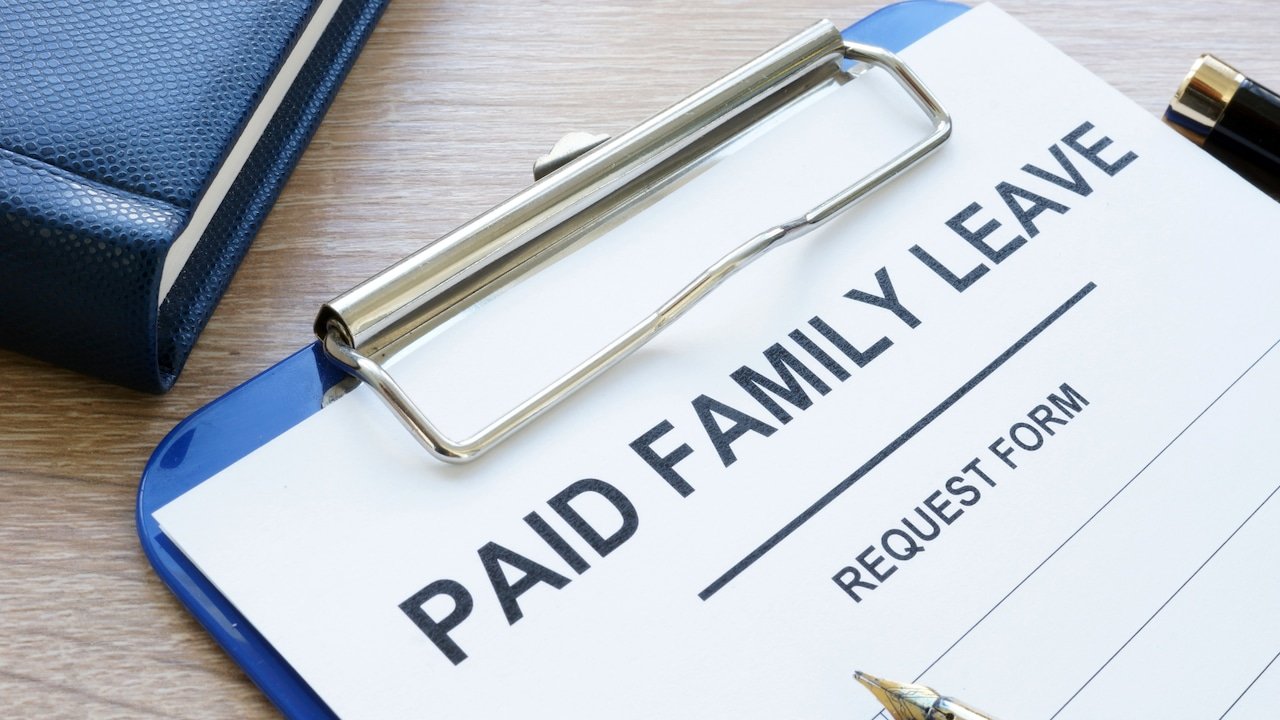
Until now, only employees at businesses with 30 or more workers have been eligible for New Jersey’s paid family leave program.
The policy guaranteed employees the right to be reinstated after taking family leave. A push to change that 30 employee threshold began gaining momentum over the past year, as lawmakers advanced a proposal, S3451.
“The number of people helped by this bill reaches far beyond just the individual workers,” said one of the bill’s sponsors, Assemblywoman Annette Quijano, D-Union. “For every employee that benefits from A3451, even more New Jerseyans – parents, children, siblings – would benefit as well.”
The measure as originally written would represent one of the program’s biggest shifts — dropping the eligibility threshold from 30 workers to five.
That step however, immediately drew backlash from business groups, who argued the proposal would place significant strain on the state’s smallest employers.
Those groups asserted that the leave mandate could create staffing gaps and financial pressures for mom‑and‑pop operations already functioning with thin margins and limited flexibility.
In response to that pushback — and after weeks of negotiations — lawmakers revised the bill to strike a middle ground. The new version raised the threshold to 15 employees.
Supporters of the plan argued throughout the legislative process that the expansion was overdue — citing examples including new parents and workers caring for seriously ill relatives, and calling it a matter of basic equity and economic security.
Republicans, who opposed to the bill, maintained the same argument as the business groups that criticized it.
In criticizing a separate bill on tax breaks for diners, Assemblyman Brian Bergen, R‑Morris, told Democrats their business policies were contributing to the struggles companies face — pointing to family leave as one he opposed.
“Time and time and again you are beating on business,” he said to his Democratic colleagues.
The New Jersey Business and Industry Association, the state’s largest private sector lobby, also disagreed with the bill.
“While a threshold of 15 employees is better than five, 15 still sweeps up too many small businesses that will have to comply with this onerous new mandate,” said New Jersey Business and Industry Association lobbyist Christopher Emigholz.
Assemblywoman Reynolds-Jackson, D-Mercer, defended the legislation in the wake of its passage.
“Workers in multi-generational families face tough choices on a regular basis, but deciding to take time off to care for a sick relative or a newborn child should not come with the added pressure of worrying if they will have a job to return to,” she said.