
State lawmakers, in their second push to raise $61 million in taxes for suicide prevention, are making a fresh plea to sway opponents: Build on the legacy of Dick Codey, the late governor and legislator who was New Jersey’s most influential mental-health advocate.
Over 50 years in elective office, Codey exposed abuses at state-run psychiatric hospitals, pushed for addiction services at homeless shelters and, with his wife, Mary Jo, spoke frankly about his family’s triumph over her postpartum depression. When he died on Jan. 11 after a short illness, he was hailed for leading reforms and channeling unprecedented funding to mental wellbeing.
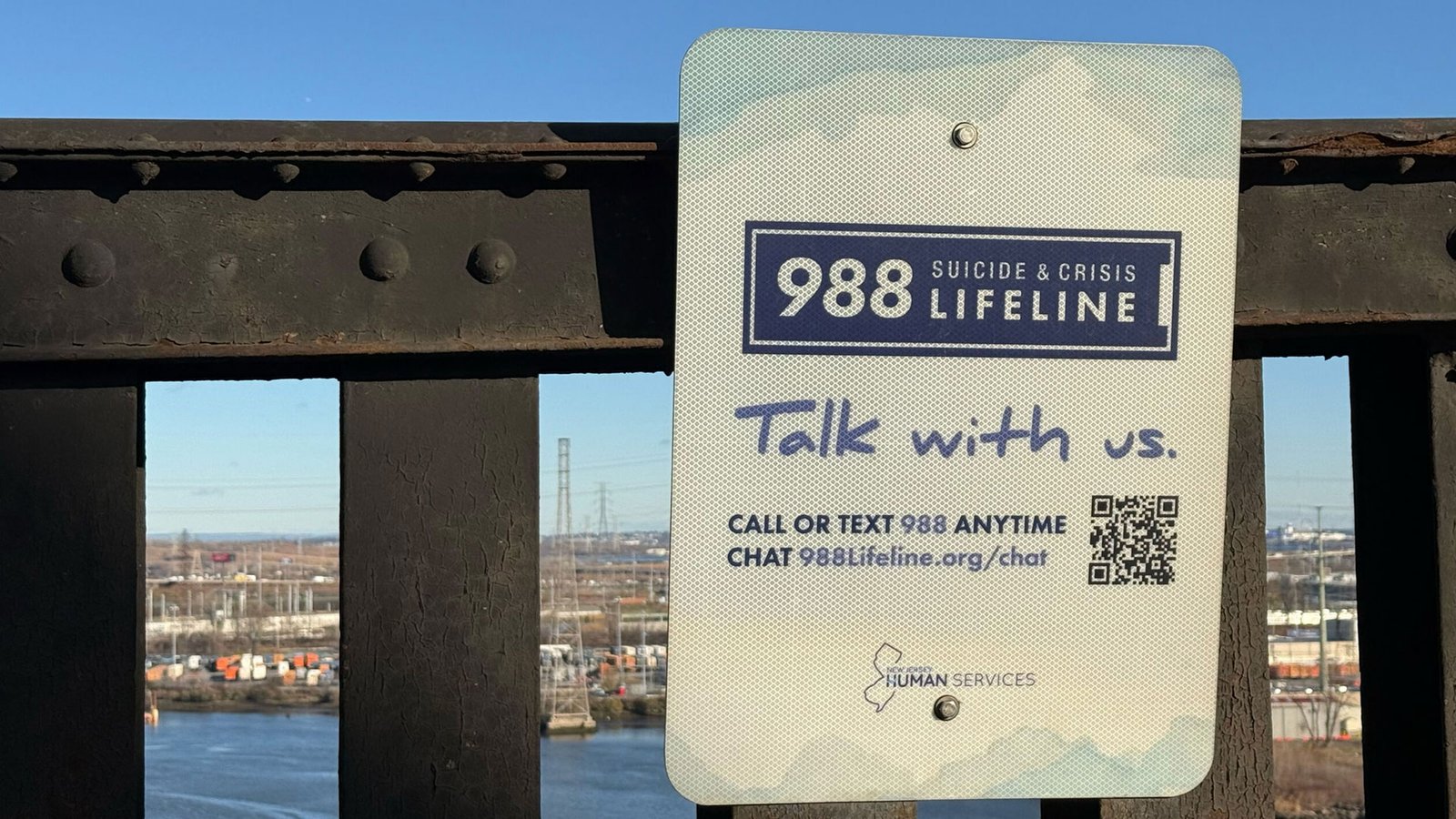
Two days after his death, lawmakers reintroduced a bill to enact a 40-cent-per-month tax on telephone lines to pay for remote counseling, emergency in-person response and other help via the 988 Suicide & Crisis Lifeline.
 Credit: NJTV News Online
It’s what Codey would have wanted, advocates say.
“Part of what was important about the governor’s legacy was his continued advocacy for treatment and for access to treatment,” said Sen. Joseph Vitale (D-Middlesex), a primary sponsor of the bill. “And when either treatment doesn’t work or someone doesn’t seek treatment, but they seek help, the hotline is the place to go.”
Rising need
Mental-health emergencies are at crisis levels nationally, particularly among youth, according to The Centers for Disease Control and Prevention. President Donald Trump, though, has cut some funding for the hotline, available in every state since 2022.
Last year his administration put an end to the so-called “Press 3 option,” which was outreach to young LGBTQ people. Nationally, 47% of gay and questioning youth reported thoughts of suicide, up 6 points from 12 months earlier, according to a multiyear study released in 2025 by The Trevor Project, a San Francisco-based advocacy group.

Roughly 700 New Jerseyans take their lives each year, and suicide is the third leading cause of death among those ages 10-24, according to the state Health Department.
New Jersey alone, hotline staffers in December 2025 answered 8,666 calls, texts and chat requests, more than double those from the same period in 2022. Legislation to enact the 40-cent-per-line tax failed, Vitale said, because Democrats and Republicans alike objected to raising taxes while they’re also trying to make the state more affordable.
The late governor would have “fully supported” the 988 funding legislation, said Debra L.Wentz, president and chief executive officer of the New Jersey Association of Mental Health and Addiction Agencies and a member of the Governor’s Council on Mental Health Stigma, which Codey created.
“It’s a great early intervention that would stave off more deterioration or exacerbation of an ongoing crisis and get people the help earlier,” Wentz said of the pending 988 bill.
Emergency teams
The crisis line in New Jersey is answered by counselors who in December spent an average 13.5 minutes with each caller. In emergencies, counselors can dispatch local in-person response teams.
Phone fees to pay for such services in California, Oregon, Washington, Nevada, Colorado, Minnesota, Vermont, Delaware, Maryland, Virginia, Illinois and New Mexico, according to the National Alliance on Mental Illness.
In New Jersey, the tax would be added to monthly cellular bills and deposited to a state trust fund. The money would pay for services including mobile crisis teams, treatment at stabilization centers as an alternative to hospital emergency rooms and temporary housing.
The legislation, which is awaiting a hearing in the Senate Health, Human Servies & Senior Citizens Committee, builds upon the “original foundation” of mental-health bills that Codey worked to pass, according to Pete Cammarano, Codey’s former chief of staff.
“This is exactly what he would be advocating for if he were still in the Legislature,” Cammarano said.
Editor’s note: If you or someone you know is experiencing a mental health crisis, immediate help is available. Call or text 988 to reach the Suicide & Crisis Lifeline.



