
— Editor’s note: This story was published first in the New Jersey Monitor.
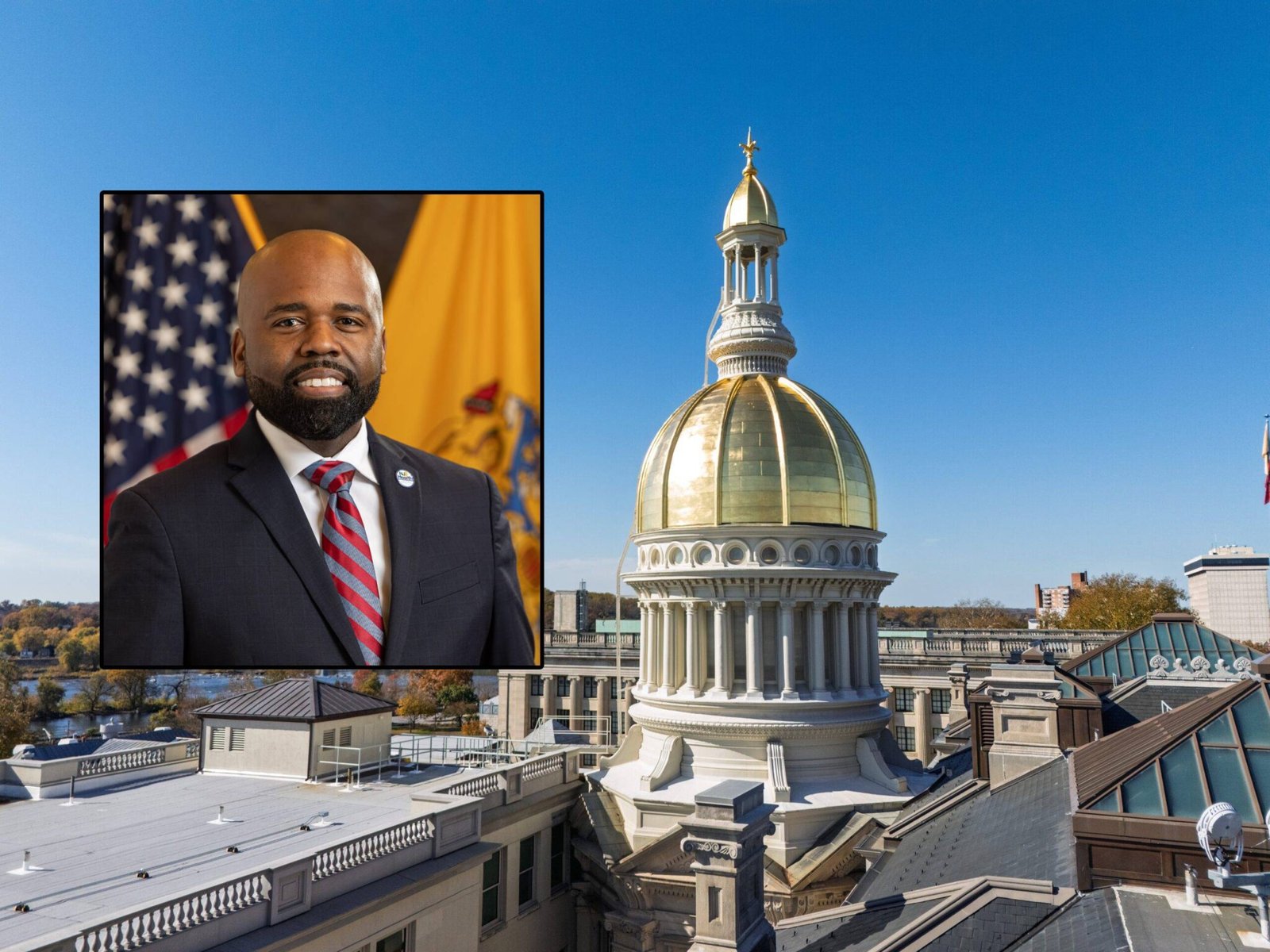
With a background in public health and a pledge to use data and science to keep people safe, Gov. Mikie Sherrill’s pick for New Jersey health commissioner comes with a decade-plus experience working to prevent disease, a skillset people who know him say is perfect for the moment.
Raynard Washington has spent more than a decade leading public health efforts in North Carolina and Philadelphia, working with communities to expand access to preventative health services and primary care and collaborating with community leaders to reduce gun violence and HIV/AIDS. Washington oversaw the Charlotte region’s response to the COVID-19 outbreak, its work to counter Mpox and measles, and served as a leader with several national public health organizations.
Chrissie Juliano is executive director of Big Cities Health Coalition, an alliance of public health agencies representing large cities nationwide whose leaders work together to support disease prevention, vaccine science, and other public health issues. She called Washington, who served as its board chairman, “a great leader for the time.”
“I have watched him not only do his day job, running a health department with an amazing team and staff and programming, but then also in this other space of helping me lead our organization and being vocal in a national conversation — in a place that it’s really hard to be vocal in — about vaccines and about funding and about what public health is, and does, and needs to continue to do and be,” Juliano said.
Sherrill, a Democrat who took office in January to succeed Phil Murphy, has made clear her administration will push back on President Trump’s actions to cut billions in federal funding for health care, infrastructure, and other needs in New Jersey.
Sherrill has also rejected Trump administration steps to limit access to vaccines and said in a gubernatorial debate last fall that shifts in federal policy, led by U.S. Health and Human Services Secretary Robert F. Kennedy Jr., a longtime vaccine skeptic, are allowing children to “get sick and…die” from preventable diseases.
“Dr. Washington will be essential in keeping our state healthy and safe. At a time when Trump and RFK Jr. are rewriting longstanding guidelines and undermining trust in medical care, it is critical New Jersey have experienced leadership to keep us healthy,” Sherrill said in a statement announcing Washington’s nomination.
Washington recently stepped down as the director of public health in North Carolina’s Mecklenburg County, which includes Charlotte, where he had served since 2021, leading the region through much of the COVID-19 pandemic. He was Mecklenburg’s deputy health director from March 2020 through November 2021, and chief epidemiologist in the Philadelphia public health department for three years before that, according to a copy of his resume posted on a Congressional website and first reported by NJ Advance Media.
The state Senate Judiciary Committee must approve Sherrill’s nomination of Washington, who has a Ph.D. in epidemiology and a master’s degree in public health from the University of Pittsburgh, so he currently remains the acting health commissioner. It is not clear when a hearing on his nomination is expected. If the committee advances his nomination, it moves to the full state Senate for a vote.
So far, only two of Sherrill’s nominations have cleared the committee: Jen Davenport as attorney general and Aaron Binder as state treasurer.
In New Jersey, the Department of Health oversees health care delivery through hospitals, nursing homes, and outpatient medical practices; operates the state’s four psychiatric hospitals; collects and maintains massive amounts of health data; and supports a vast array of preventative health programs, often in conjunction with local public health offices. It operates on a nearly $3 billion budget – with more than $1 billion from federal sources – and employs more than 6,200 people.
Washington, in a welcome message his department posted to Instagram, highlighted his experience on the front lines of public health and his commitment to serving communities that are often left behind. He praised New Jersey’s record on public health and health innovation and said his role is to build on these successes by following the data and science.
“This work has never been more urgent than right now, because right now the science, values and institutions that protect our health are under attack. We will not back away from strategies that save lives and prevent suffering. And we cannot hedge or be silent when the well-being of our community is threatened,” Washington said in the post.
 Credit: (Hal Brown for New Jersey Monitor)
Assemblyman John Azzariti Jr. (R-Bergen), an anesthesiologist, welcomed Washington and urged him not to play politics.
“I believe he should be apolitical, open-minded, amenable to varied expert opinions, science- and data-oriented, and be aware of what is happening on the ground every day to real people in New Jersey in various health care settings,” Azzariti said in a statement to the New Jersey Monitor.
Azzariti encouraged Washington to learn from the state’s past experiences, including what he framed as failed responses to COVID-19, with policies he said were overly restrictive.
“It is the responsibility of the Health Commissioner to provide the Governor, Legislature and public with honest, informed, apolitical and objective positions. The Commissioner must also be flexible, willing and able to adapt efficiently to changing circumstances and changing data, particularly during emergencies,” he wrote.
Dr. Eddy Bresnitz, a vaccine expert and former state epidemiologist, said Washington’s background differs from that of many past health commissioners, who have largely been policy experts without clinical experience, hospital executives, or health care providers with administrative skills, not professionals from the frontlines of local public health.
Bresnitz said Washington’s direct experience in community-based public health and his work with groups like the National Association of City and County Health Officials could be an advantage for the 100-plus local organizations responsible for public health in New Jersey, groups that have not always felt heard by leaders at the health department.
“This is a big plus at the end of the day,” Bresnitz said.
Assemblywoman Margie Donlon (D-Monmouth), a rehab physician who helps lead the Assembly Health Committee, welcomed Washington to the new role.
“His background in public health and pandemic response will be a tremendous asset for New Jersey. I am confident that he will bring strategic leadership to strengthen our medical community’s preparedness and a necessary focus on access to health care for all,” said told the New Jersey Monitor in a statement.
But public health is only part of the Department of Health’s mission, Bresnitz noted. The department also licenses and regulates at least 150 health care facilities and governs the work of tens of thousands of medical professionals.
“He’s got other fish to fry, beyond disease control,” Bresnitz said.
Juliano, with the Big Cities Health Coalition, said Washington will meet this challenge. Washington is “someone who knows what he knows and knows what he doesn’t know,” she said, adding that he “listen and learn” from staff.
“I don’t know the Jersey background, but what I do know is that Raynard brings a really strong local public health perspective to the job, one that I wish many state health directors would have, and many do not all,” Juliano said. “I think those that do really can see the full picture.”



