
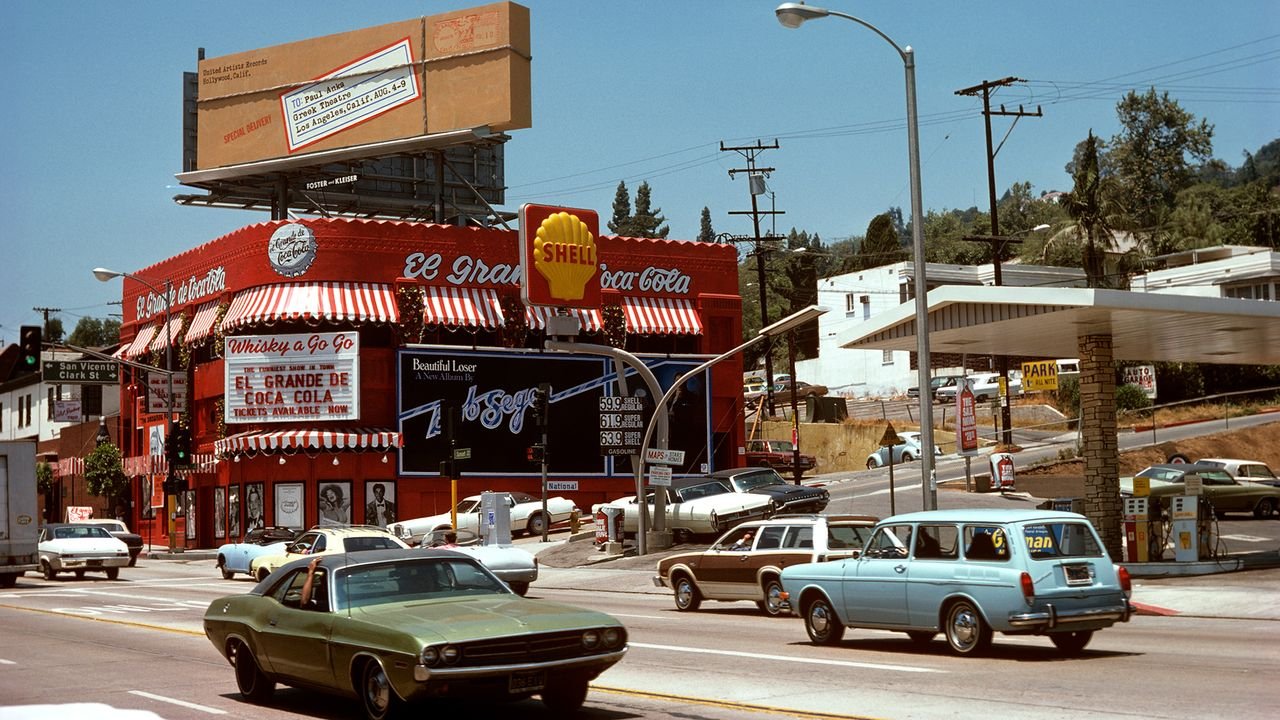
As if AI, consolidation, and the post-COVID, post-strikes production slowdown weren’t enough, Hollywood is now facing another significant threat: higher fuel costs, due to the worsening conflict with Iran and uncertainty over the Strait of Hormuz. Film production remains structurally tied to fossil fuels in ways that are easy to overlook in an era of LED volumes and virtual sets: Moving people and equipment is expensive. Generators burn diesel. Props, costumes, and cameras travel by truck, ship, and plane. The cost of transportation, generator fuel, shipping, location scouting, and temporary housing for cast and crews all fluctuate with energy prices.
Fuel rarely dominates the budget of any individual production, but it is never trivial. A production for Apple TV that is currently shooting spends roughly $10,000 a week on oil and gas just for vehicles being used, according to one producer. Another producer, who reviewed several recent film budgets, suggests fuel can account for roughly half a percent of production costs, not including travel and living expenses—small enough to avoid panic, but large enough to matter when margins are tight.
And margins are tight. Even years into the streaming revolution, several large platforms have yet to reach profitability.
Hollywood loves nothing more than a sequel with familiar characters—President Trump, the Ayatollahs, spiraling oil prices—and the industry has seen variations on this story before. “History is repeating itself,” says film historian Foster Hirsch. “The 1979 Iran Revolution had an enormous impact on gas prices, which ultimately led to a shift in sensibility and a shift in production, and I think that will happen again now.”
In fact, says UCLA professor Jonathan Kuntz, it goes back further than that. The 1973 oil embargo, triggered after the Yom Kippur War, pushed the US economy into recession and helped squeeze studio budgets that were already under strain. At the same time, the country was undergoing drastic social change, and that cultural shift wasn’t being reflected in the movies that were being produced during the 1960s. The combination of higher costs and the burgeoning counterculture led studios to back lower-budget, director-driven films that would come to define the New Hollywood era. “After a tremendous box office slump from 1968 to 1972, Hollywood redirected its attention to young directors who were closer in age and attitude to their target audience,” says Kuntz.
Hollywood transitioned from Cary Grant’s elegance to Dustin Hoffman’s awkwardness. Movies grew darker, more cynical, more reflective of national anxiety—not necessarily because oil prices demanded it, but because the mood of a country grappling with Vietnam and political upheaval did. Consequently, Americans spent more money at the box office in 1974 than in any year prior, though the amount wasn’t adjusted for inflation.
That wasn’t only because movies like The Exorcist, Papillon, and Chinatown captivated audiences and drove box office receipts: Broader economic forces were also at play. “We started the year with an energy crisis, which served to keep many people from going to the beach or other diversions, and they attended more movies over the weekends,” Jack Valenti, then president of the MPAA, told The New York Times in 1975. Hirsch supports that statement: “There has sometimes been an upside when oil prices go up,” he says. “Many moviegoers will then elect to go to the movies rather than going on a trip or indulge in other more expensive types of entertainment because going to the movies is still much less costly.”



