
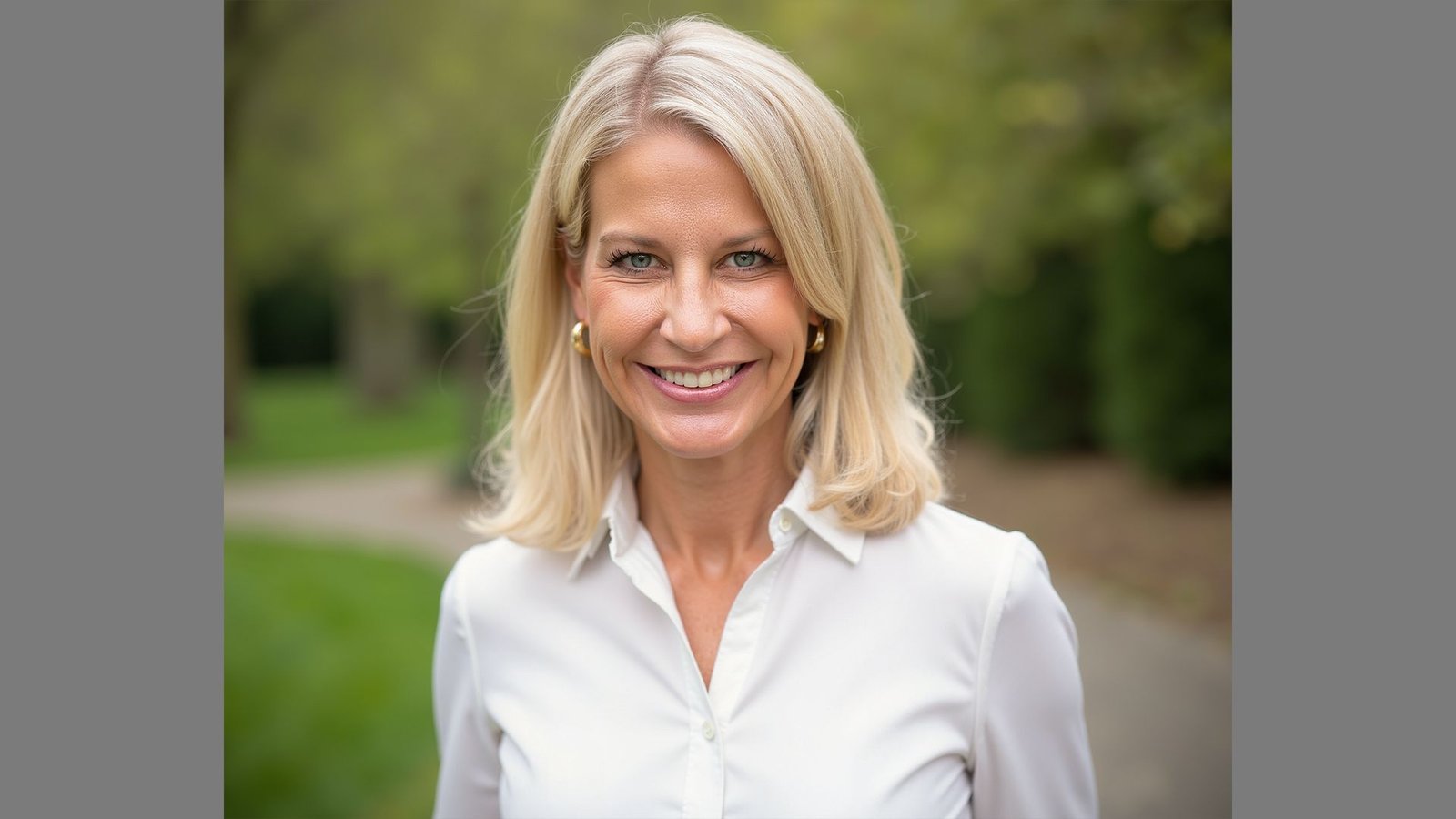
When I stepped into my role as chief executive officer of the New Jersey Association of Community Providers more than six months ago, I knew I was entering a system at a critical moment.
Supporters of individuals with intellectual and developmental disabilities face mounting pressure: uncertain Medicaid funding, shifting regulations and a workforce stretched thin. Too often, families, providers and government find themselves positioned as adversaries rather than partners.
Yet the truth is simple. We all want safe, high-quality, person-centered care.
Over the past year, troubling stories in the press have detailed abuse and neglect in some residential group homes. These stories are real, and they must be told. The individuals and families harmed deserve not only to be heard but also to see swift action taken. The association firmly supports rigorous oversight, clear standards and meaningful consequences when providers fail to meet their obligations.
A human system
Protecting the safety, dignity, and rights of individuals with intellectual and developmental disabilities is non-negotiable. This commitment is reflected in the association’s support for three recently enacted laws that strengthen oversight and reinforce quality standards.
 Credit: NJACP
The most tragic failures cannot define an entire system. I’ve traveled across New Jersey visiting providers and speaking with direct support professionals, families and the individuals receiving services. What I’ve seen tells a more complete story than what’s often captured in headlines.
I’ve walked into homes that reflect the personalities of the people who live there and met leaders who know every individual and staff member by name. I’ve witnessed compassion and connection between staff and the people they support that is real and it matters.
This is a human system. Caring for people will never be risk-free. That reality demands smart, practical policies that reduce risk and strengthen care, not a singular focus on the worst outcomes that risks tearing the entire system down.
“Across New Jersey, I see a strong foundation of commitment and professionalism that must be reinforced and improved, not dismantled.”
Broad narratives suggesting widespread failure are inaccurate and damaging. They demoralize a dedicated workforce, erode trust and weaken a system that delivers compassionate, high-quality care to thousands of individuals and families every day. They also ignore the fact that this is one of the most heavily regulated service systems in New Jersey, governed by extensive federal and state oversight.
If we are serious about improving outcomes, collaboration — not division — must guide our work. We must lean into best practices, strengthen oversight where it matters and focus on prevention. With Gov. Mikie Sherrill taking office, this is an opportunity to reset how we do this and move forward together.
The Office of the Ombudsman for Individuals with Intellectual or Developmental Disabilities and Their Families plays a vital role as an advocate and resource for families navigating a complex system. As the organization representing the agencies that deliver these services, the association shares the same goal: a system that works better for the people it serves. Establishing consistent, open communication, such as a standing monthly meeting, would allow us to share information, address concerns early and work toward real solutions together.
Closing gaps
Strengthening the system also means closing gaps.
The association is exploring proactive measures to improve hiring oversight and prevent staff with a history of misconduct from moving undetected between agencies. Despite background checks and registries, providers lack a liability-protected way to share concerns about applicants who left prior positions under investigation.
Proven models exist in health care and education that require transparent employment history disclosures and standardized interagency inquiries. Similar safeguards in human services would better protect our most vulnerable residents.
“We must also resist policies that sound appealing but ultimately undermine care. Administrative caps and executive salary limits fall into that category.”
In a complex, fee-for-service system, administrative functions are not “overhead.” Compliance with regulations, quality assurance, training, supervision, background checks, data systems and safe home maintenance are all administrative costs, and all are directly tied to safety and quality. Strong leadership is essential to managing risk and sustaining operations. We should be attracting talent to lead in human services, not signaling that this work is undervalued.
Professional opportunity
The workforce crisis demands equal urgency.
Direct support staff wages remain too low to attract and retain the skilled professionals this system depends on. While the state has taken steps to keep wages above the minimum, more must be done.
These professionals carry significant responsibility and require training, judgment and resilience. Compensation must reflect that reality and keep pace with inflation. We must also treat them as the professionals they are. Through the DSP Career Center, a partnership between the association and New Jersey community colleges, direct support professionals can access free courses, training and stipends that strengthen both career growth and quality of care.
To the extent possible, the state should apply federal Home and Community-Based Services rules with flexibility, encouraging creative solutions to meet demands. As behavioral health needs grow and workforce challenges persist, the solution must include intentional communities, technology-enabled supports and integrated housing and behavioral health models.
Cost-of-living increase
New Jersey has long been a leader in innovation. Strategic investment in smart-home technology, passive monitoring, tele-health and assistive tools can enhance safety, promote independence and help address workforce shortages. These tools are not replacements for human connection, but they can strengthen it.
Finally, the looming threat of federal Medicaid cuts cannot be ignored. Services are underfunded. Any reductions would likely lead to program closings, workforce losses and diminished care. At a minimum, the upcoming state budget must include a 3% across-the-board cost-of-living increase.
The challenges before us are real, but they are solvable. We can build a stronger, safer and more sustainable system if we invest in the workforce, modernize oversight, expand housing options, leverage technology and reject reactionary policymaking. Working together, we can and must get this right.



