
Twenty years ago this month, New Jersey became one of the first states in the nation to enact comprehensive tobacco control legislation. Passed in the waning days of Gov. Richard Codey’s administration and implemented under Gov. Jon Corzine, this effort paired workplace protections with stronger youth access restrictions to reduce smoking and exposure to secondhand smoke.
At the legislation’s center was the Smoke-Free Air Act, which banned secondhand smoke in restaurants, bars, offices and other indoor public spaces. Companion legislation raised the legal age for tobacco sales to 19 and strengthened enforcement. Both laws took effect on April 15, 2006, marking a turning point in the state’s approach to tobacco control.

Over that time, tobacco control in New Jersey and elsewhere had been recognized by the Centers for Disease Control and Prevention as one of the 10 great public health achievements in the United States, underscoring the significance of the state’s efforts.
New Jersey has made substantial gains in reducing smoking and exposure to secondhand smoke. However, the work is unfinished, and there is real risk of backsliding in terms of both commitment and strategy. As longtime advocates for better health care in the state, we suggest a path forward through several additional policy actions.
Before these seminal laws, tobacco control in New Jersey was uneven, shaped by a patchwork of local ordinances and sustained largely through the efforts of advocacy groups, such as the NJ Prevention Network, Southern New Jersey Perinatal Cooperative NJ GASP and local health departments. Growing public awareness of the dangers of secondhand smoke helped build the momentum needed for statewide action, supported by strong gubernatorial leadership and legislative compromise.
At the time, we were pulmonary physicians in leadership roles in the New Jersey Department of Health, overseeing the state’s Comprehensive Tobacco Control Program, currently the Office of Tobacco Control and Prevention.
We’ve seen up close how the Smoke-Free Air Act and its subsequent amendments have measurably improved public health in New Jersey. The data are clear. The age-adjusted rate of adult smoking of combustible cigarettes in New Jersey fell to roughly 9.6% in 2023 — slightly lower than U.S. rates — from 17.1% in 2011. Rates in pregnant women fell to 1.1% in 2023 from 7.2%.

Youth cigarette use has also declined substantially, to 1% in 2022 from 15.8% in 2006, according to the New Jersey Youth Tobacco Survey conducted by the Rutgers Institute for Nicotine and Tobacco Studies. These drops reflect not only changing social norms and taxation policies, but also the lasting impact of comprehensive smoke-free laws in reducing exposure and reshaping behavior.
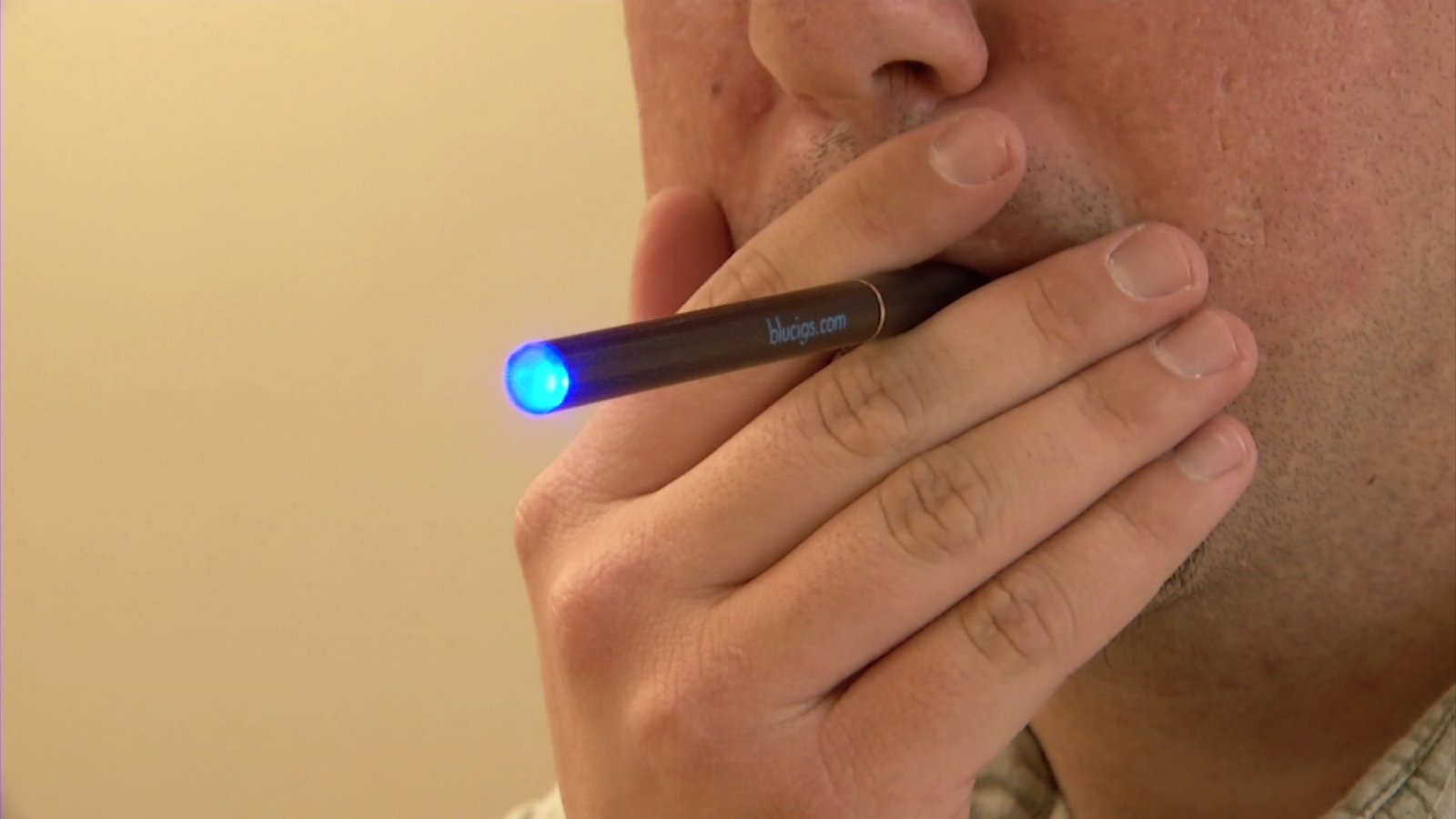
Yet tobacco control has entered a new phase. As traditional cigarette use has declined, the tobacco industry has adapted, aggressively promoting electronic cigarettes, flavored nicotine products and other alternatives. Adult e-cigarette use in New Jersey has nearly doubled in recent years, to 7.1% in 2024 from 3.9% in 2016.
Youth vaping has also surged, driven in large part by products designed to appeal to younger users, with electronic cigarettes, or vapes, continuing to lead all products used among high school students. In high school, 9.3% of students reported currently using electronic cigarettes.
In this sense, vaping represents the current front line of tobacco control. The progress achieved over two decades is real, but it is being challenged by a rapidly evolving and well-funded marketplace that requires equally adaptive policy responses.
New Jersey has continued to build on its original legislation. Amendments over the years have expanded protections to include electronic smoking devices, and extended smoke-free policies to public beaches and parks. The state also raised the legal age for tobacco sales to 21 and expanded access to cessation services, particularly for Medicaid recipients. Many municipalities have gone further, adopting ordinances to restrict outdoor smoking and limit youth access.
 Credit: (NJ Spotlight News)
These steps have strengthened the state’s public health framework. But important gaps remain.
Most notably, the Smoke-Free Air Act continues to exempt casinos, allowing smoking on gaming floors. As a result, thousands of casino employees remain routinely exposed to secondhand smoke — the very hazard the law was designed to eliminate. Efforts to close this loophole have repeatedly stalled, leaving workers without the protections afforded to nearly every other workplace in the state.
After two decades of progress, this exemption stands out as the most significant unfinished piece of New Jersey’s smoke-free policy.
Beyond this high-profile exemption, inconsistent enforcement of age-of-sale laws continues to weaken the state’s tobacco control efforts. Many retailers are subject to limited oversight, and violation rates remain high enough to undermine the intent of the law.
To build on and sustain its accomplishments, New Jersey should take four specific actions.
First, the state should eliminate the casino exemption, ensuring that all workers and patrons are protected from secondhand smoke. Recently, state Sens. Shirley K. Turner and Joseph Vitale and other bipartisan co-sponsors re-introduced Bill S-212, which would remove the smoking ban carveout for casinos and simulcasting facilities.
Second, New Jersey should commit to sustained funding for prevention and cessation across the spectrum of tobacco and nicotine products, including electronic cigarettes, by dedicating a larger portion of product-related tax revenues to these efforts.
This need for sustained funding is not new. Funding instability has been a persistent challenge since the program’s inception. In the 2000s, the national Tobacco Master Settlement Agreement provided New Jersey about $30 million annually for tobacco control programs. But within a couple of years, the state securitized these funds, and by Gov. Chris Christie’s administration, state funding for tobacco prevention and cessation programs was effectively eliminated.
Funding was partially restored under Gov. Phil Murphy. In FY 2026, his administration raised taxes on certain tobacco products and allocated about $7.2 million. That left New Jersey still among the lowest-funded states for tobacco control, and Gov. Mikie Sherrill has proposed level funding for FY 2027.
Third, policymakers should strengthen restrictions on flavored nicotine products, which attract youth.
Finally, enforcement of age-of-sale laws must be enhanced through increased and reliable inspection capacity and enforcement .
Over the years, New Jersey has demonstrated what effective public health leadership looks like: bold, evidence-based action to protect its residents. The results have been substantial, with fewer smokers and reduced exposure to secondhand smoke across the state.
But progress is dynamic, and much underscores the need for renewed action: the rise of vaping, creation of newer products, the inadequacy of funding and the persistence of policy gaps, especially the continued exposure of casino workers.
Finishing the job will require the same government resolve that made New Jersey a national leader in tobacco control. But the state is no longer a leader. The evidence is clear, and the opportunity is there to be seized. The next chapter of tobacco control in New Jersey should ensure that every resident — worker, child and community member alike — can breathe clean air everywhere.



