
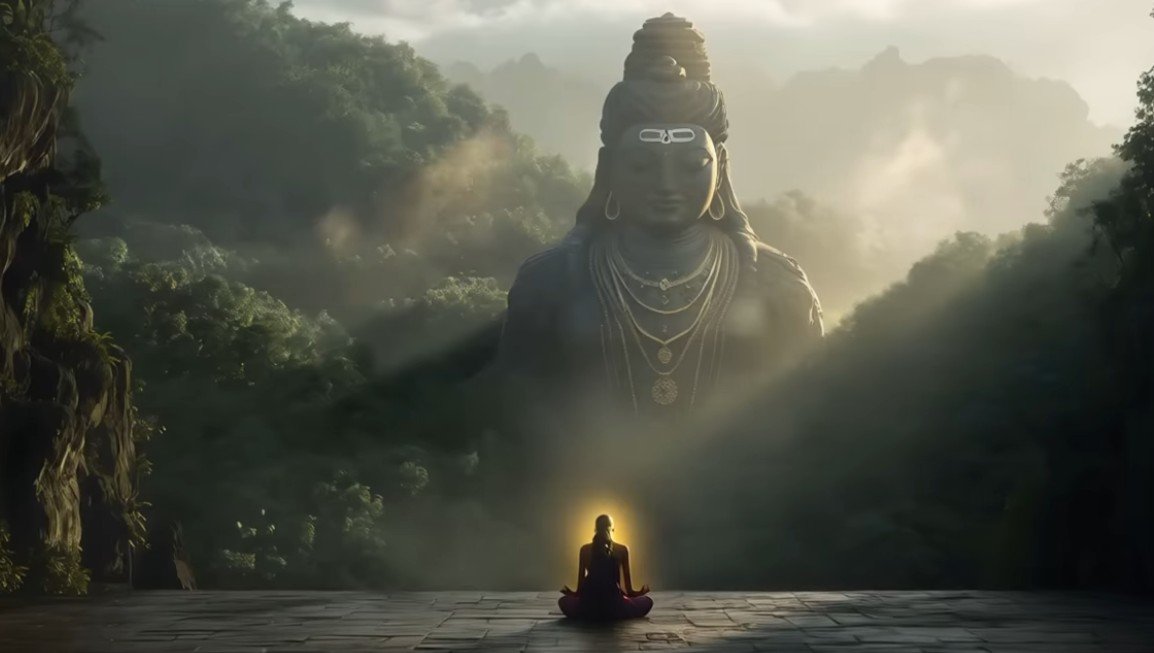
A major festival dedicated to Lord Shiva is Maha Shivaratri, a sacred celebration that reflects deep spiritual traditions, ancient history, and strong connections to India’s Himalayan heritage.
History and Origins
Maha Shivaratri, meaning “The Great Night of Shiva,” has been observed for centuries in India as a time of devotion, reflection, and spiritual awakening. Ancient Hindu scriptures describe this night as the moment when Shiva performs the cosmic dance of creation, preservation, and destruction. It is also believed to mark the divine union of Shiva and Parvati, symbolizing balance between masculine and feminine energies in the universe.
Faith and Spiritual Significance
For devotees, the festival represents the victory of light over darkness and ignorance. Followers observe fasting, night-long prayers, meditation, and rituals such as offering milk, water, and sacred leaves to the Shiva Lingam. Chanting and silent reflection are central practices, emphasizing self-discipline, inner transformation, and spiritual growth.
Cultural Traditions and Celebrations
Across India, temples are beautifully decorated, devotional songs fill the air, and communities gather for collective worship. Cultural performances, storytelling, and traditional music express the philosophical teachings associated with Shiva — simplicity, compassion, and detachment from material desires. The festival unites communities through shared devotion and cultural heritage.
Himalayan Roots and Sacred Geography
Shiva is closely associated with the majestic Himalayas, which are regarded as the center of spiritual power and meditation. According to tradition, his divine abode is Mount Kailash, a sacred peak revered as a symbol of cosmic energy, stillness, and enlightenment. The Himalayas represent purity, ascetic living, and the path toward higher consciousness — values deeply reflected in the observance of Maha Shivaratri.
Enduring Meaning
Maha Shivaratri continues to inspire millions by blending history, faith, and cultural tradition with a profound message of transformation. It encourages individuals to overcome limitations, seek inner peace, and connect with universal consciousness — reflecting the timeless spiritual wisdom rooted in India’s ancient traditions.



